Farm & Livestock News Africa
Independent Agriculture Reporting
FEATURED STORY
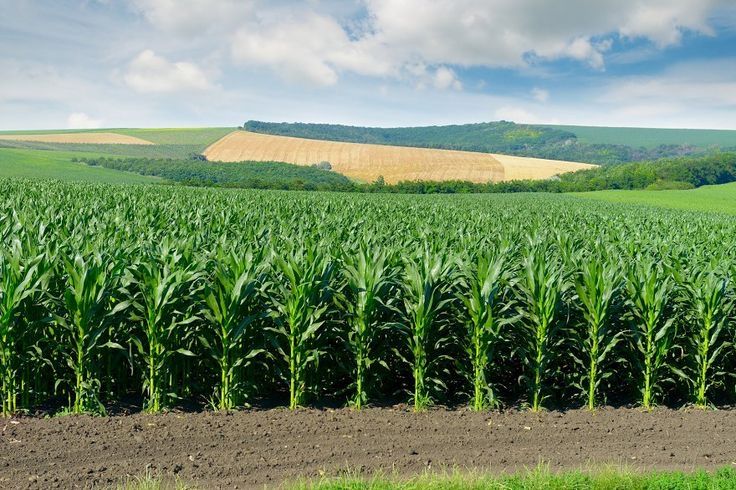
Zambia raised its maize floor price to K347/50kg off a record 5.1M-tonne harvest. Malawi's ADMARC is meanwhile selling maize at wildly inconsistent prices. Here's why.
crop_production
agribusiness
Sponsored
Stay updated with the latest in agriculture and livestock
A government coffee revival programme, a maize farmer earning nearly a million shillings a year by switching crops, and a mass training push for 2,000 farmers — Kenya's North Rift region is having a genuinely eventful week on the crop production front.
Staff Writer • Jul 22, 2026
nutrition
Black soldier fly larvae can turn kitchen scraps into high-protein feed in days. Africa produces a fraction of what it could — but that's starting to change.
Staff Writer • Jul 19, 2026
Foot-and-mouth disease has spread to six of South Africa's nine provinces, triggered a national disaster declaration, and closed export markets from China to Zimbabwe. The government's answer: the largest cattle vaccination campaign in the country's history.
Zambia has just produced one of its biggest maize harvests in years — but for the farmers who grew it, this week brings frustration rather than celebration, as government buyers still haven't announced what they'll pay
Staff Writer • Jul 18, 2026
Africa's livestock sector is being transformed less by flashy gadgets than by unglamorous fixes — better feed formulation, smarter breeding, and tools small farmers can actually afford.
equipment_mechanisation
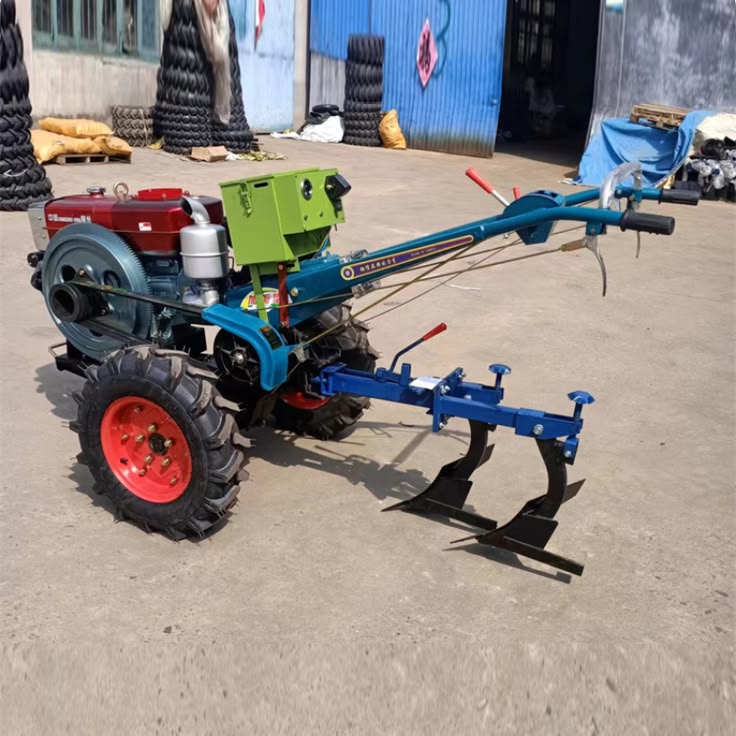
Investment is finally catching up with Africa's farming potential — but experts warn the old mistakes of "shipping in machines without a plan" must not be repeated.
From a landmark cocoa alliance to a multi-billion-dollar fertiliser push, West Africa's agribusiness sector is being reshaped on several fronts at once.
In western Senegal, a simple mobile savings tool is helping smallholder farmers afford the inputs that once felt out of reach — and the results are showing up in the fields.
Eighteen African countries have joined the latest phase of the Africa Phytosanitary Programme, strengthening digital pest surveillance, improving plant health systems, and supporting safer agricultural trade across the continent.
Staff Writer • Jul 15, 2026
Across Central Africa, agriculture is gaining renewed attention as governments and research institutions search for practical solutions to food insecurity, rural poverty, and climate vulnerability. One of the most significant examples of this shift is the growing collaboration between the International Institute of Tropical Agriculture (IITA) and the Democratic Republic of Congo (DRC), a country with vast agricultural potential but long-standing structural challenges.
Staff Writer • Jun 26, 2026
In Nigeria, agriculture is undergoing a quiet but significant transformation driven not by tractors or seeds, but by data. As food prices fluctuate and climate risks increase, policymakers are turning to advanced economic models to better understand how agricultural markets behave and how policies can improve food security.
Across Africa, a quiet agricultural revolution is taking place in backyard gardens, small farms, and community fields. Indigenous vegetables—once overshadowed by imported crops—are regaining attention as countries search for sustainable solutions to malnutrition and climate change.
In many parts of Africa, a successful harvest can be lost in a matter of weeks—not because of drought or poor soil, but because of pests and plant diseases. From fall armyworm outbreaks in Zambia and Ghana to cassava brown streak disease in East Africa, crop health threats continue to undermine agricultural productivity and rural livelihoods.
Across sub-Saharan Africa, the battle for food security is increasingly being fought not only in farms, but in laboratories, research stations, and gene banks. From Nigeria’s cassava fields to Uganda’s banana plantations and Kenya’s maize belt, scientists and farmers are working together to overcome one of the continent’s most persistent challenges: low crop productivity in the face of climate change, pests, and soil degradation.
Despite the growing success of youth-led agribusinesses across Africa, significant obstacles continue to slow progress. Access to finance remains one of the biggest challenges. Many young entrepreneurs have innovative business ideas but struggle to secure loans because they lack collateral or a proven financial history. High interest rates and limited investment in agricultural start-ups often force many promising businesses to remain small or fail before reaching their full potential.
For decades, agriculture has been described as the backbone of Africa's economy. It feeds millions of families, employs a significant share of the continent's workforce, and contributes substantially to national economies. Yet despite its importance, agriculture has struggled to attract one group whose energy and innovation could redefine its future—young people.
livestock_farming
Research, Biosecurity and Modern Farming Practices Are Shaping the Future of Pig Production in Africa
Smart Feeding Solutions Can Help African Farmers Maintain Livestock Productivity During Seasonal Feed Shortages
Cutting Feed Waste Can Boost Profits Across Africa's Livestock Industry
Healthy Calves, Stronger Herds: Why Early-Life Management Matters for Africa's Growing Dairy Industry