Rice Is More Than a Staple Food
Rice is an important food commodity in many African markets, creating business opportunities along a value chain that stretches from seed suppliers and farmers to millers, wholesalers, retailers and food-service businesses. For agribusinesses, the opportunity is not limited to growing paddy rice. It also includes milling, grading, storage, packaging, transportation and supplying consistent products to local and regional buyers. Yet, agricultural production does not automatically translate into a competitive domestic industry. Farmers may struggle to obtain suitable inputs, millers may face inconsistent supplies, and traders may encounter high transport costs or difficulties meeting buyers’ specifications. These challenges can increase operating costs and make it harder for locally produced rice to compete with alternative supplies. Strengthening the rice value chain therefore requires coordination across several businesses rather than focusing on production alone.
West African Businesses Explore Stronger Commercial Connections On 28–29 September 2026, the United Nations Economic Commission for Africa convened business support organisations and small and medium-sized enterprises for a Rice Value Chain Activation Programme focused on West Africa. The initiative was designed to encourage commercial partnerships, strengthen regional value chains and support intra-African trade in rice. The UNECA report said more than 150 small and medium-sized enterprises operating in the rice sector were engaged in consultations.
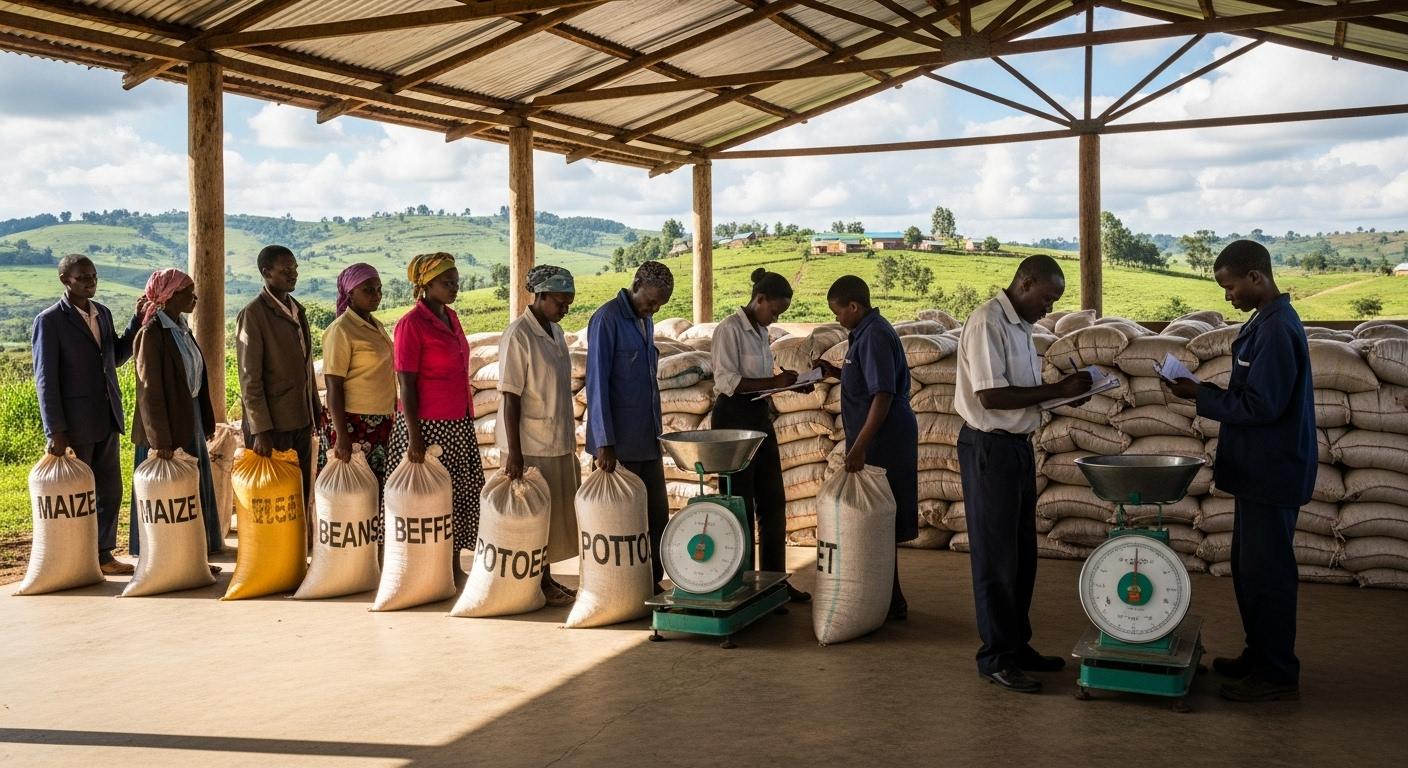
The discussions highlighted constraints that are relevant to many agricultural businesses, including limited access to finance, weak market connections, inadequate processing capacity and obstacles to cross-border commercial activity. This focus on business linkages is significant because regional trade depends on more than the availability of produce. Buyers need suppliers who can deliver agreed volumes, meet quality requirements and provide goods on time. Sellers need dependable payment arrangements, clear market information and practical routes to reach customers beyond their immediate communities. Stronger connections between these groups can help businesses identify opportunities that would be difficult to pursue independently.
Sponsored
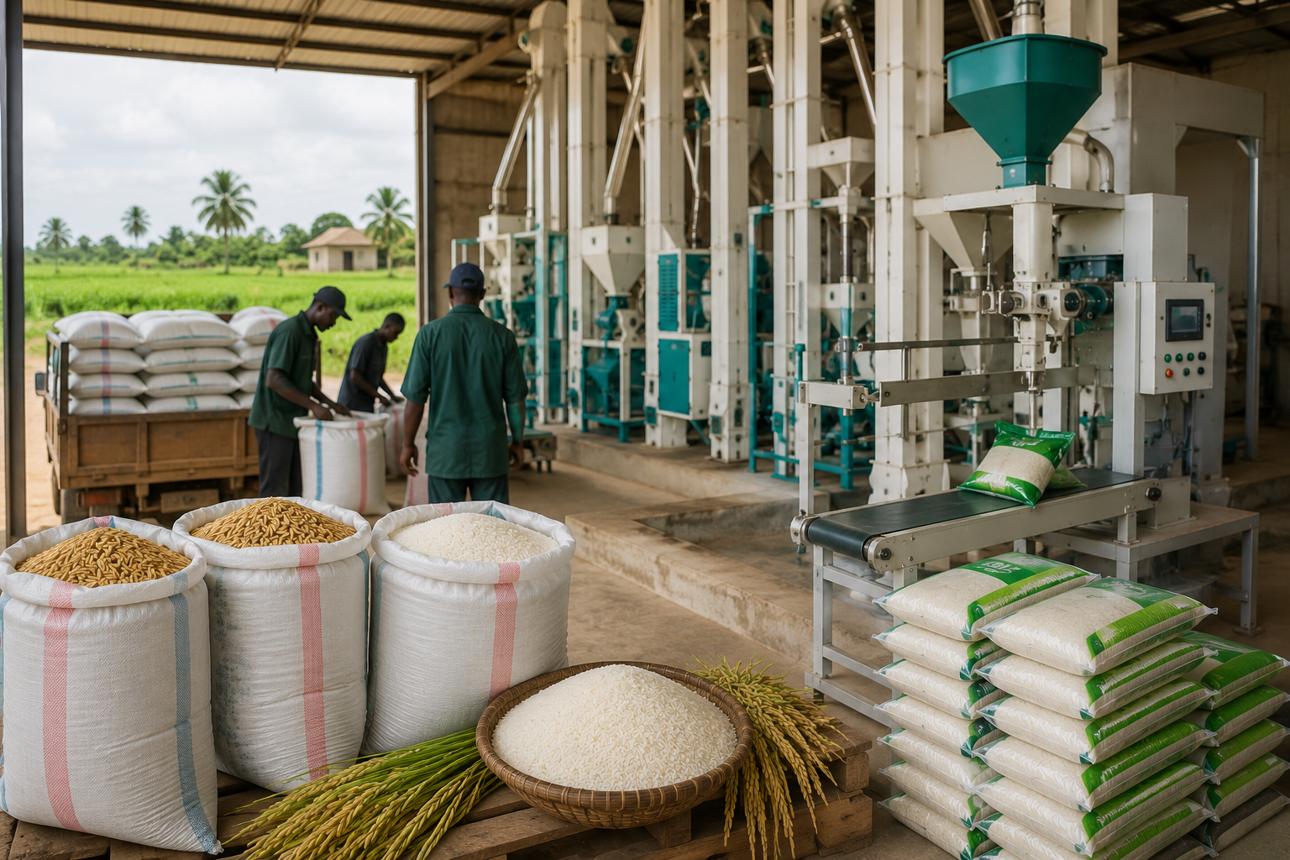
Why Processing and Quality Matter Rice milling is a key stage in determining the marketability of the final product. Equipment, handling methods, grain condition and milling practices can influence the proportion of whole grains, product appearance and consistency. Buyers may also require specific packaging sizes, labelling and food-safety standards. For millers, investment decisions should be guided by local supply and market demand. A business needs to assess whether it can secure enough paddy rice to use its equipment efficiently, whether customers will pay for the resulting product and how it will compete with established brands. Storage is equally important. Poorly managed storage can expose grain to moisture, pests and contamination, reducing quality and financial returns. Better drying, handling and storage practices can help businesses protect their produce between harvest and sale. Farmers can contribute by harvesting at the appropriate stage, drying grain correctly and following buyers’ quality requirements. Clear communication between producers and millers can reduce disputes over grading and rejected deliveries.
Regional Trade Requires More Than a Market Agreement Cross-border rice trade can offer businesses access to a larger customer base, but expanding into neighbouring countries requires careful planning. Traders need to understand applicable customs procedures, product standards, transport arrangements, taxes and any restrictions affecting the movement of agricultural goods. Market information is another essential factor. Businesses must compare selling prices with the full cost of getting a product to its destination, including transport, handling, storage, financing and border-related expenses. A market that appears attractive based on its selling price may not be profitable once these costs are included. Business associations, chambers of commerce, farmer organisations and trade-support institutions can help companies understand requirements and identify potential commercial partners. Digital platforms can also support communication between suppliers and buyers, although personal verification and clear written agreements remain important.
Opportunities for Farmers, Millers and Young Entrepreneurs A stronger rice industry can create opportunities for businesses of different sizes. Farmers may be able to access more organised buyers, while aggregators can earn income by collecting and supplying grain in commercial quantities. Millers can develop differentiated products, and entrepreneurs can offer transport, warehousing, packaging, equipment maintenance and other services. Young people can participate in these activities without necessarily owning large farms. Depending on local demand, opportunities may exist in grain trading, digital market information, quality assessment, machinery services and distribution. However, these opportunities depend on commercially sound operations. Businesses need transparent pricing, responsible financial management and sufficient working capital. Small suppliers also need protection against unclear contract terms and delayed payments.
Building a More Connected African Rice Economy The UNECA initiative underlines the importance of connecting agricultural businesses with the markets and services they need to grow. For West Africa, stronger regional rice value chains could support more commercial activity between farmers, processors and buyers, provided practical barriers are addressed. The opportunity extends beyond rice. Similar approaches can support other regional agricultural industries where production, processing and trade remain disconnected. For agribusiness leaders, the challenge is to turn discussions into dependable commercial relationships. That means investing in quality, understanding market requirements and creating supply chains that work for producers and buyers alike.