Farm & Livestock News Africa
Independent Agriculture Reporting
Latest articles and insights about inputs and nutrition in Africa
nutrition
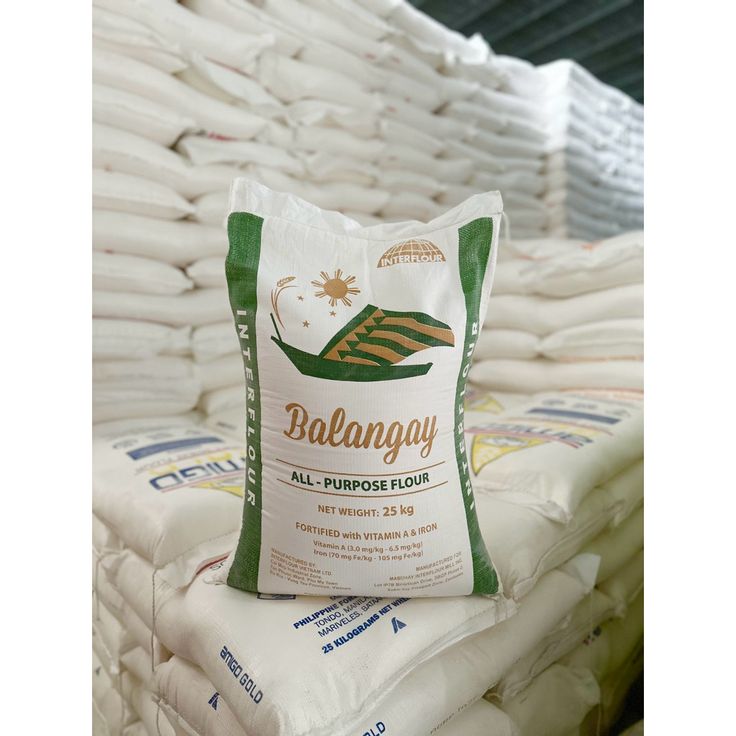
Micronutrient deficiencies affect an estimated 2 billion people globally, with sub-Saharan Africa carrying a disproportionate share of the burden — iron, vitamin A, iodine, zinc, calcium, selenium, folate and vitamin B12 deficiencies remain widespread across the region. Large-scale food fortification, the practice of adding these micronutrients to commonly consumed, industrially processed foods, has long been considered one of the most cost-effective tools available to address the problem at a population level
Staff Writer • Aug 29, 2026
All articles in Nutrition
Scroll down to load more articles
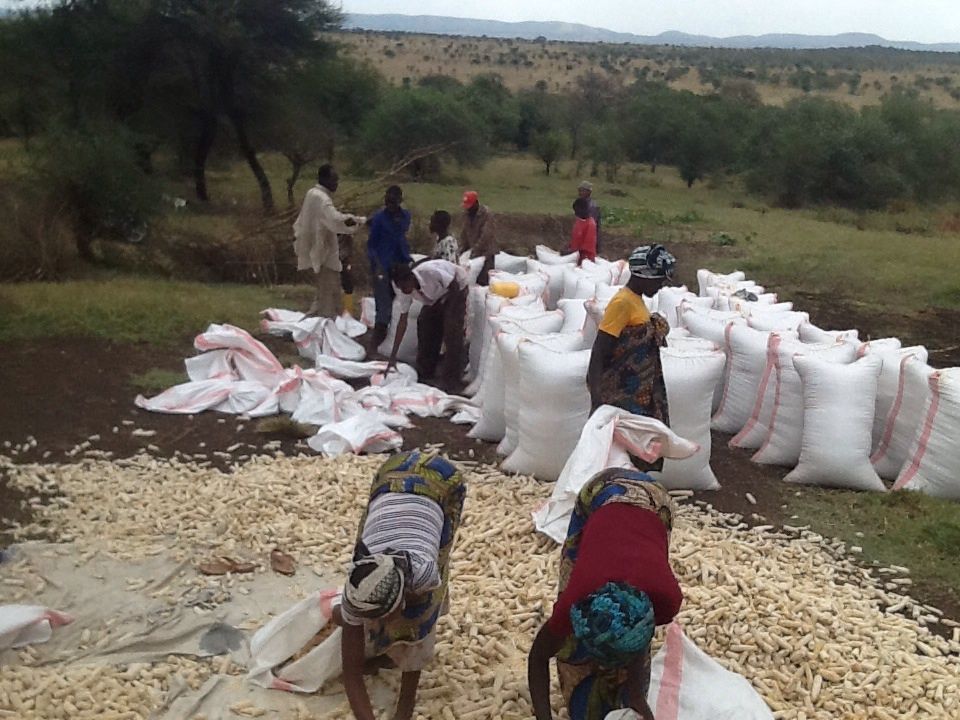
It cannot be seen, smelled or tasted, yet it may be one of the biggest hidden threats to food safety and child nutrition across Africa. Aflatoxin — a toxic compound produced by the fungi Aspergillus flavus and Aspergillus parasiticus — contaminates maize and groundnuts at both the pre-harvest and post-harvest stages, and is classified as carcinogenic, mutagenic and capable of causing developmental harm, with particularly severe consequences for young children's growth and immune function.
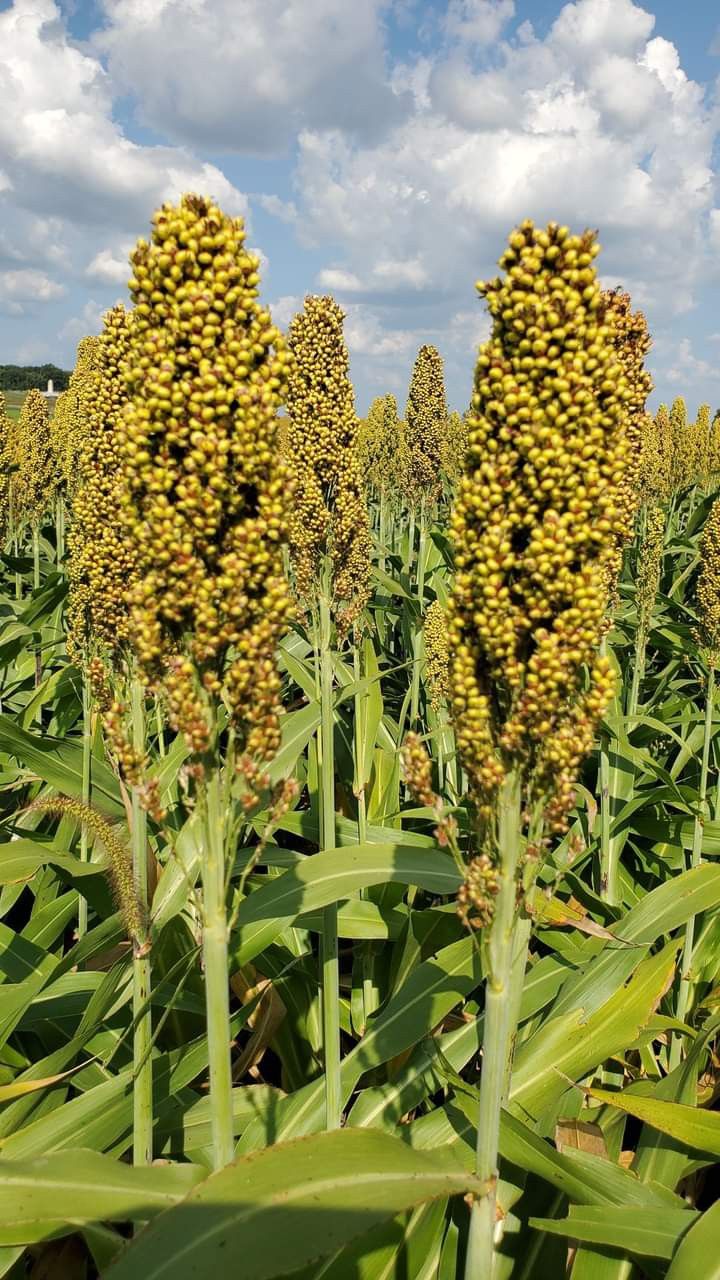
Researchers at the International Crops Research Institute for the Semi-Arid Tropics have released the first-ever biofortified pearl millet varieties specifically bred for Zimbabwe and the wider East and Southern Africa region. The two new varieties, named Iniadi Composite 1501 and ICMP 177003, carry naturally elevated levels of iron and zinc
Staff Writer • Aug 18, 2026
Nutrition experts are urging Nigeria to make it compulsory for bouillon cubes to carry folic acid and vitamin B12, calling it a low-cost fix for widespread hidden hunger.
Staff Writer • Jul 27, 2026
Kenya's Cereal Millers Association has launched a consumer campaign encouraging households to choose fortified flour and pulses, building on the country's decades-old fortification programme.
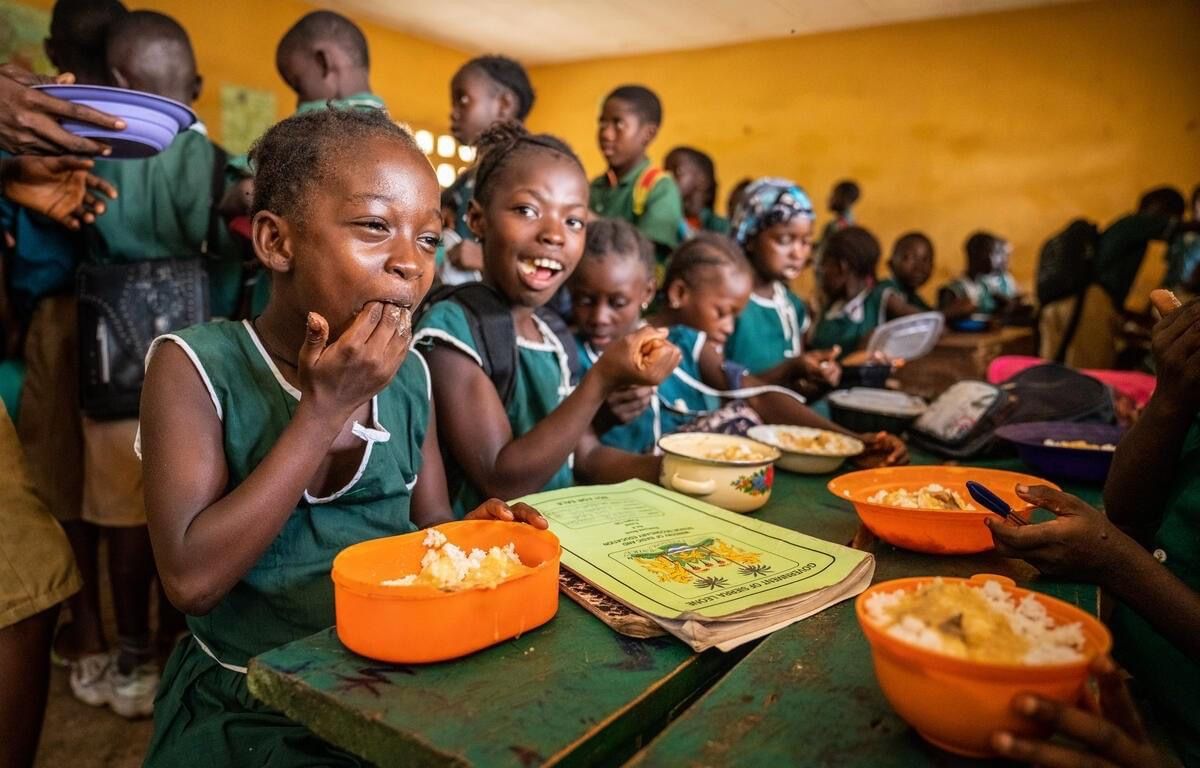
Rwanda's national school feeding programme reaches nearly 4.8 million students. This week, officials and NGO partners are focused on a harder problem: making sure those meals actually solve malnutrition, not just hunger
Staff Writer • Jul 22, 2026
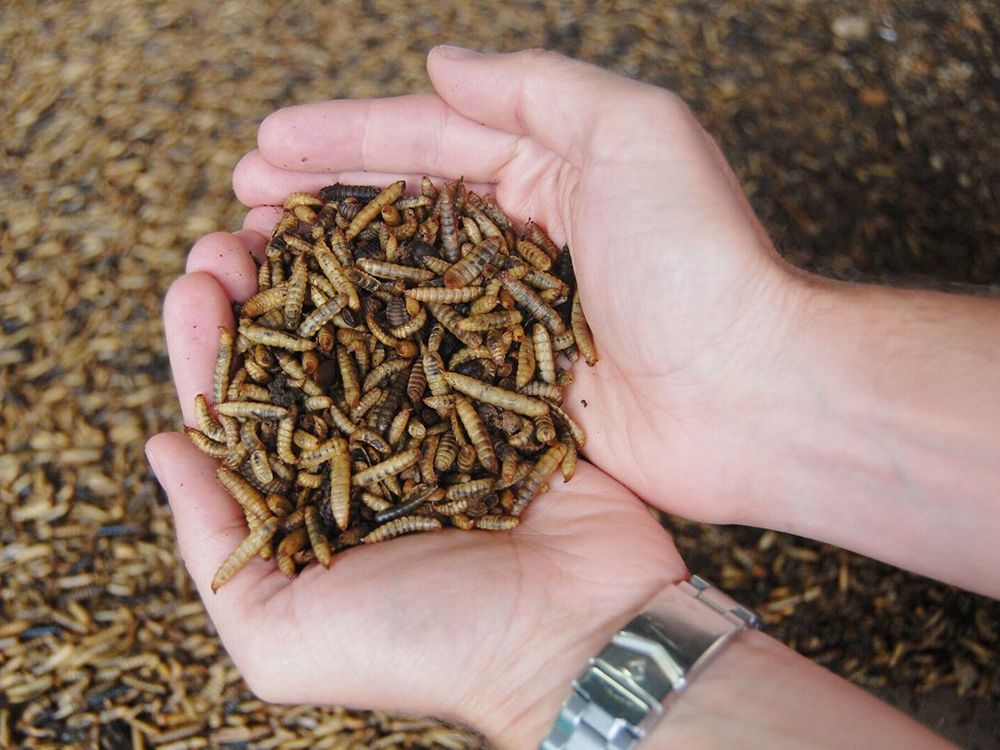
Black soldier fly larvae can turn kitchen scraps into high-protein feed in days. Africa produces a fraction of what it could — but that's starting to change.
Staff Writer • Jul 19, 2026
Foot-and-mouth disease has spread to six of South Africa's nine provinces, triggered a national disaster declaration, and closed export markets from China to Zimbabwe. The government's answer: the largest cattle vaccination campaign in the country's history.
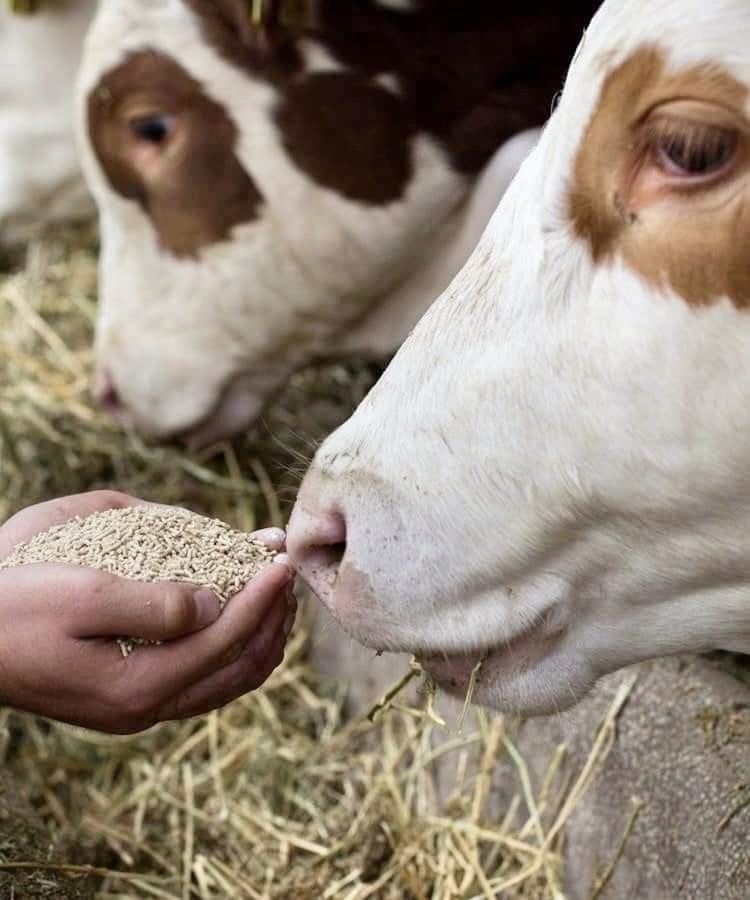
Africa's livestock sector is being transformed less by flashy gadgets than by unglamorous fixes — better feed formulation, smarter breeding, and tools small farmers can actually afford.
Staff Writer • Jul 18, 2026
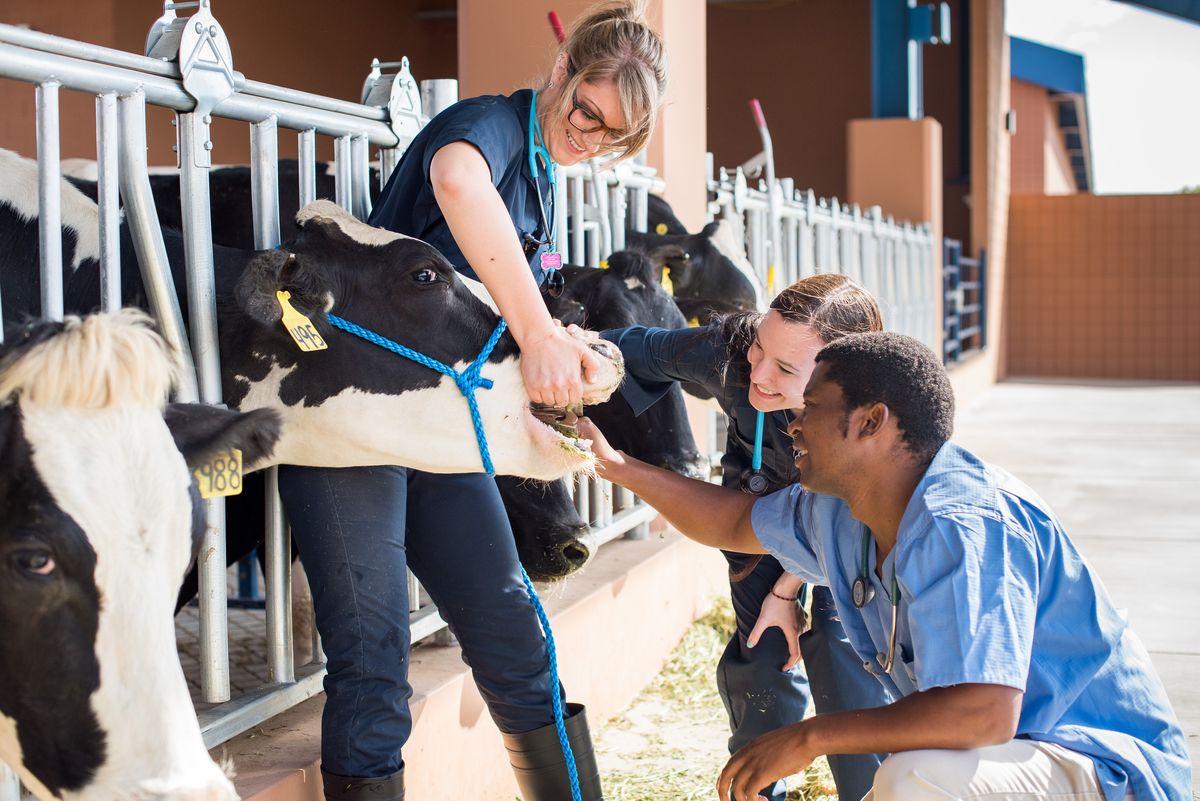
Livestock experts say disease outbreaks on farms are often the result of management weaknesses rather than sudden attacks from pathogens. While many farmers view disease as an external threat, agricultural specialists argue that poor nutrition, inadequate hygiene, overcrowding, stress, and delayed detection are the primary factors that create conditions for illness to spread.
Staff Writer • Jun 11, 2026
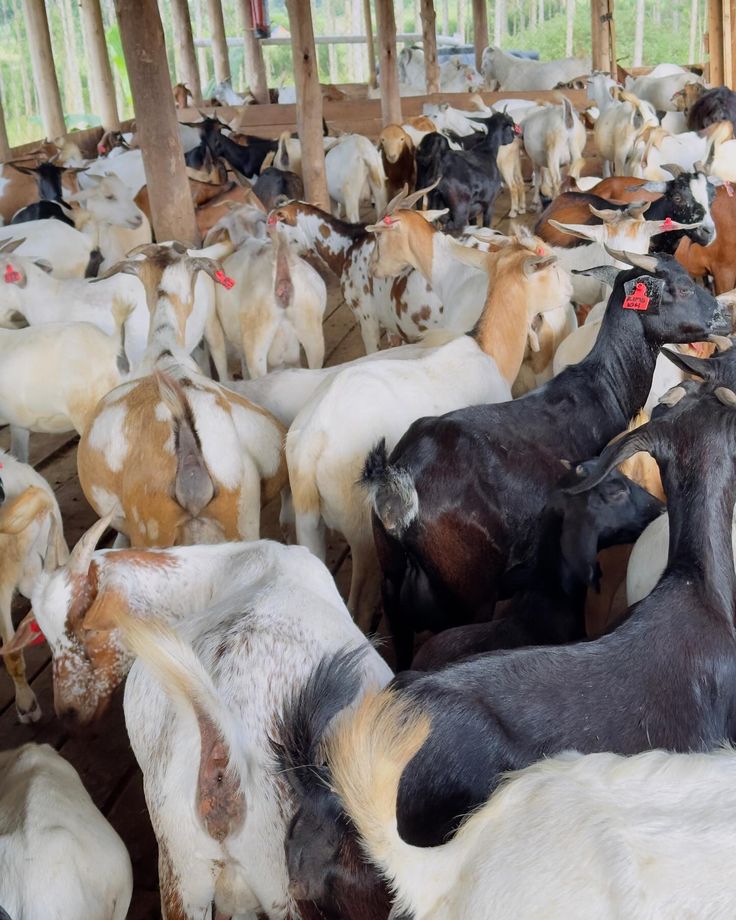
Livestock farming continues to be one of the most important economic activities across Africa, supporting millions of people through poultry production, cattle rearing, goat farming, milk production, and meat distribution.
Madalitso Tembo • Jun 9, 2026
The country’s agricultural sector accounts for more than 80 percent of export earnings and directly or indirectly employs over 60 percent of the workforce. However, like many countries in Southern Africa, Malawi continues to grapple with numerous challenges in the sector, many of which were worsened by the severe drought experienced during the 2023/2024 rainy season. Although the country is now on a recovery path, the sector still has a long way to go before it can sustainably support households and contribute fully to national economic growth.
Loriana Bwalya • Jun 5, 2026
No more articles to load
Sponsored