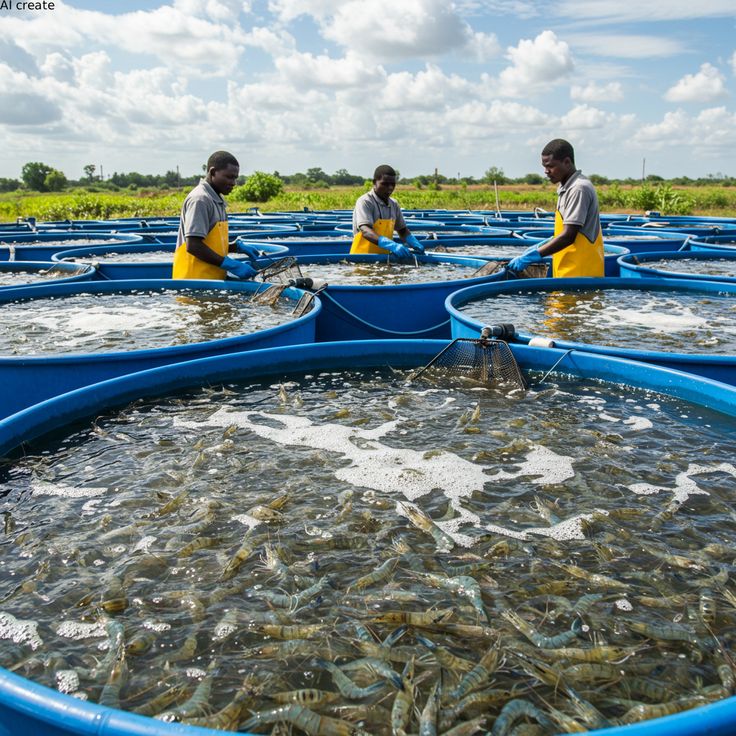
Mozambique's aquaculture industry has received a new investment following the inauguration of a fish fingerling production centre by AquaFish in Namacata, Nicoadala District, Zambézia Province.
The facility was inaugurated on 26 October 2026 by Zambézia Provincial Governor Pio Augusto Matos and has the capacity to produce more than 10 million fingerlings annually.
The investment is expected to strengthen the availability of young fish for farmers who need reliable stocking material to establish or expand aquaculture operations.
Addressing a key challenge for fish farmers
Access to quality fingerlings is an important factor in successful fish farming. Producers need healthy, suitable juvenile fish to stock ponds and tanks, maintain production cycles and achieve predictable harvests.
Where fingerlings are difficult to obtain, farmers may face delays, higher transport costs and uncertainty over the quality of their stocking material.
AquaFish's new facility is intended to help address this challenge by increasing local production capacity and improving the supply of juvenile fish to aquaculture businesses.
Investment in production quality
Sponsored
The centre includes a specialised laboratory designed to support the quality of fingerlings produced.
AquaFish Chief Executive André Gonçalves Naume said the investment would support the growth of tilapia farming while creating employment opportunities for young people.
Zambézia's Provincial Director of Agriculture and Fisheries, Fernando Namucua, also highlighted the importance of the laboratory in strengthening the supply of quality juvenile fish to local producers.
What it means for Mozambique's aquaculture industry The new centre could create opportunities for fish farmers, feed suppliers, equipment providers, transporters and fish traders.
More accessible fingerlings may help existing producers expand their operations and encourage new entrants to consider commercial fish farming.
However, fingerling availability is only one part of a successful aquaculture business. Farmers also need quality feed, suitable water conditions, technical knowledge, disease management and reliable markets.
The centre is therefore an important addition to Mozambique's aquaculture infrastructure, but its wider impact will depend on how effectively farmers can access its products and turn them into profitable production.
As demand for fish continues to create opportunities for aquaculture businesses, local investments in hatcheries and production technology will be important to developing a stronger domestic fish supply chain.