Moving Beyond the Sale of Raw Produce
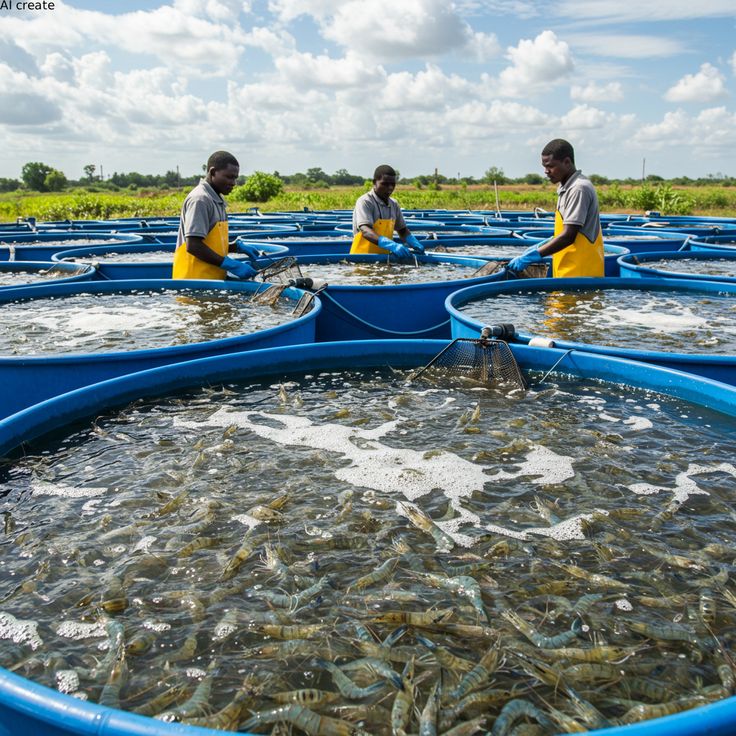
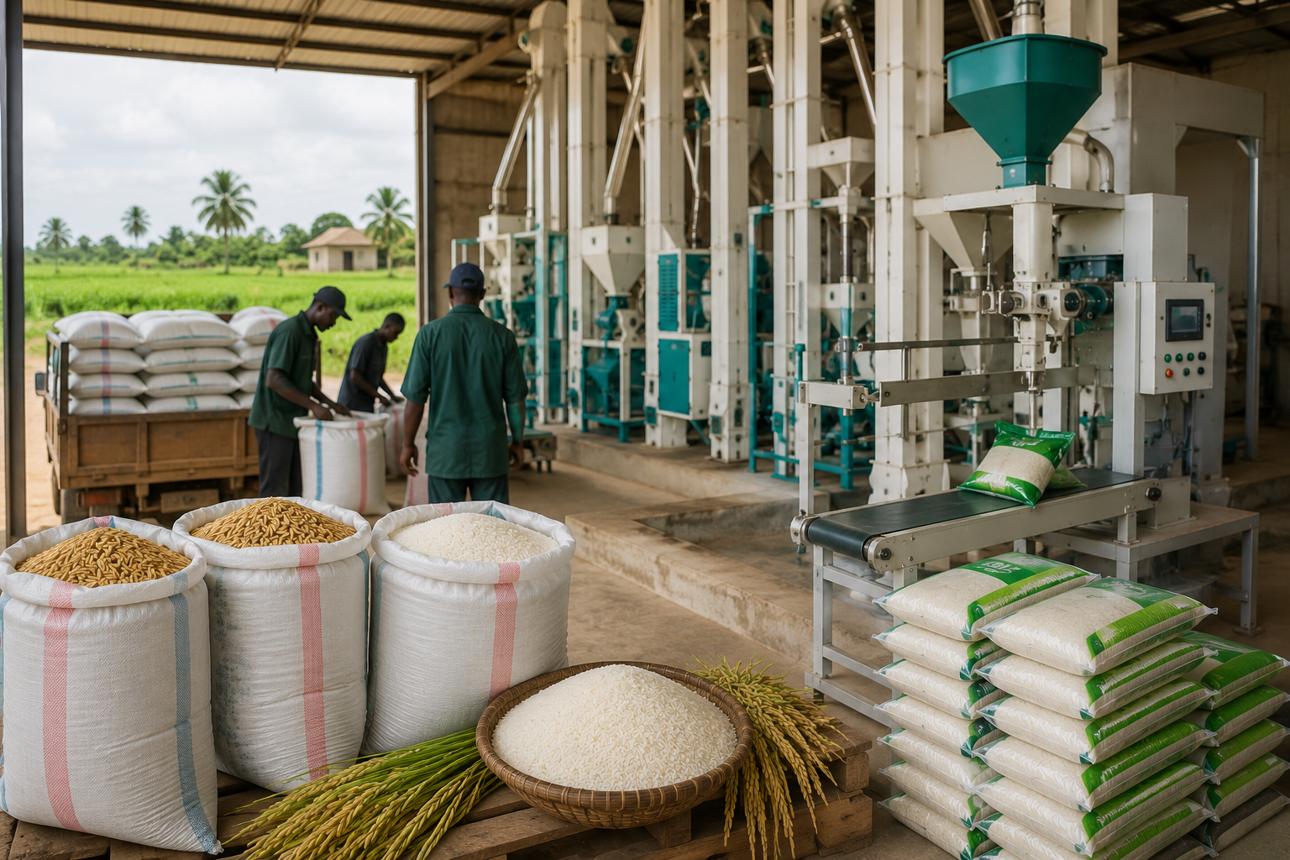
Across Africa, millions of farmers produce crops that feed households, supply local markets and support commercial industries. Yet, in many agricultural value chains, the greatest commercial opportunities are not always captured at the farm gate. Produce may be sold immediately after harvest, often with limited bargaining power, while additional value is created later through processing, packaging, distribution and branding. Agro-processing offers a way to change this pattern. Instead of selling only raw maize, cassava, rice, groundnuts, fruit or vegetables, businesses can transform agricultural commodities into flour, cooking ingredients, packaged foods, oils, dried products and other marketable goods. This can create additional commercial opportunities for processors, transporters, packaging suppliers, retailers and farmers who provide the raw materials. However, successful value addition depends on more than installing machinery. Businesses need dependable supplies, appropriate technology, quality control, reliable energy, suitable packaging and a clear understanding of customer demand. Without these elements, even a well-equipped processing facility may struggle to operate consistently or compete on price.
Nigeria’s Agricultural Value Chains Receive Fresh Attention Nigeria provides a current example of efforts to strengthen agricultural value chains. In March 2026, the World Bank approved a US$500 million credit for the Nigeria Sustainable Agricultural Value-Chains for Growth Project, known as AGROW. The initiative aims to improve smallholder productivity, strengthen value chains, create jobs and support food and nutrition security. Priority commodities include rice, maize, cassava and soybeans. The project’s approach highlights an important lesson for African agribusiness: farmers need functioning commercial connections, not simply higher production. Aggregation can help bring produce from multiple small farms together in volumes suitable for larger buyers. Improved post-harvest handling can help preserve quality, while processing can create products that serve different customer needs and potentially extend shelf life. For other African markets, the same principle applies. Agricultural entrepreneurs can explore opportunities in grain milling, oil extraction, fruit drying, cassava processing, dairy processing and the manufacture of animal feed, depending on local production and demand. The most promising business will differ by location, crop availability, transport costs and purchasing power.
Sponsored
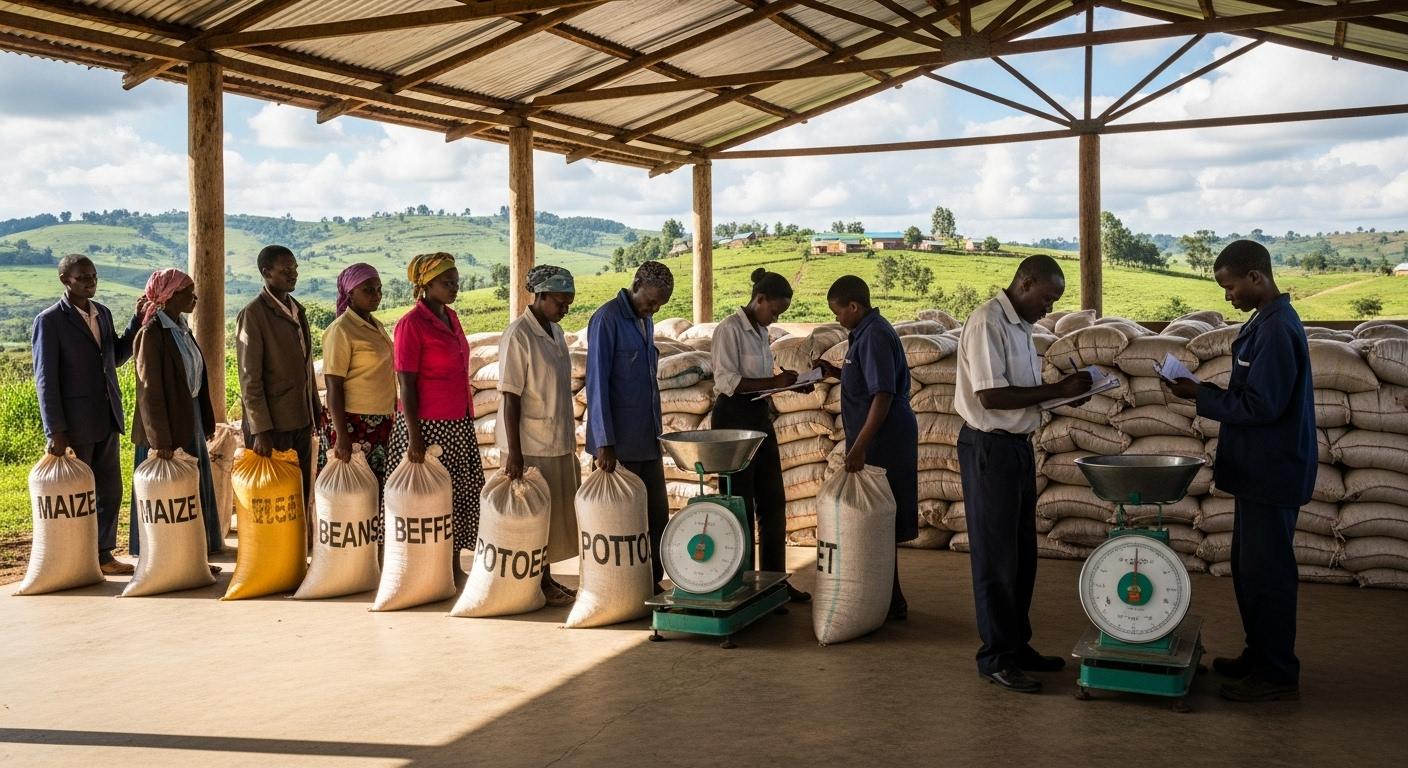
Building Reliable Relationships Between Farmers and Processors A processing business cannot remain competitive if it cannot obtain the right quantity and quality of raw materials at the right time. This makes relationships with farmers central to commercial success. Processors and aggregators can work with farmer groups, cooperatives and outgrower networks to communicate quality standards, expected volumes and delivery schedules before planting or harvest. Where commercially viable, transparent supply agreements can help both sides plan production and reduce uncertainty. Farmers, in turn, need clear information about grading, weighing, payment timelines and the terms under which produce will be accepted. These relationships should be supported by practical services such as access to improved seed, agronomic advice, suitable storage and post-harvest training. Any input-credit or contract-farming arrangement should also clearly explain costs, obligations and how prices will be determined.
Finance, Infrastructure and Quality Standards Remain Essential Small and medium-sized agribusinesses often face a difficult combination of financing needs and uncertain cash flow. Equipment, storage facilities, packaging, transport and working capital can require substantial investment before revenue is received. Reliable electricity, roads and water supplies are also important, particularly for businesses handling perishable commodities. Access to finance alone will not solve every problem. Entrepreneurs must assess whether there is sufficient demand for the proposed product, whether local consumers can afford it and whether the business can compete with existing suppliers. Food safety, consistent quality, appropriate labelling and regulatory compliance are equally important when moving from informal sales into supermarkets, institutional supply chains or export markets. Governments, financial institutions and development organisations can support this transition by improving infrastructure, strengthening business development services and encouraging investment in commercially viable processing operations. Such support is most effective when businesses have clear markets and realistic plans for long-term operation.
Turning Agricultural Production into a Wider Economic Opportunity Africa’s agro-processing opportunity lies in building stronger connections between production and consumption. When farmers, processors, logistics providers and buyers work together, agricultural commodities can support a broader range of businesses and employment opportunities. The priority is not to process every crop or build a factory in every farming district. It is to identify where sufficient raw materials, market demand, infrastructure and business capacity already exist—or can realistically be developed. For African entrepreneurs, the next opportunity may be found in a familiar crop that is currently sold with little processing. For farmers, stronger local value chains may offer additional routes to market. For investors, well-planned agro-processing businesses can provide an entry point into the continent’s food economy. The long-term goal should be clear: help African agriculture earn more from what it grows, while building dependable markets for the people who produce it.