After years of water stress that placed pressure on farming businesses and rural livelihoods, Morocco is entering the 2026/27 agricultural season with a significant improvement in its national dam reserves.
Figures reported by Moroccan news outlet Hespress, citing the Ministry of Equipment and Water, showed that dam filling levels reached 65.51% on 1 October 2026, compared with 32.68% on the same date in 2025. Total reserves stood at approximately 11.15 billion cubic metres, more than double the roughly 5.45 billion cubic metres recorded a year earlier.
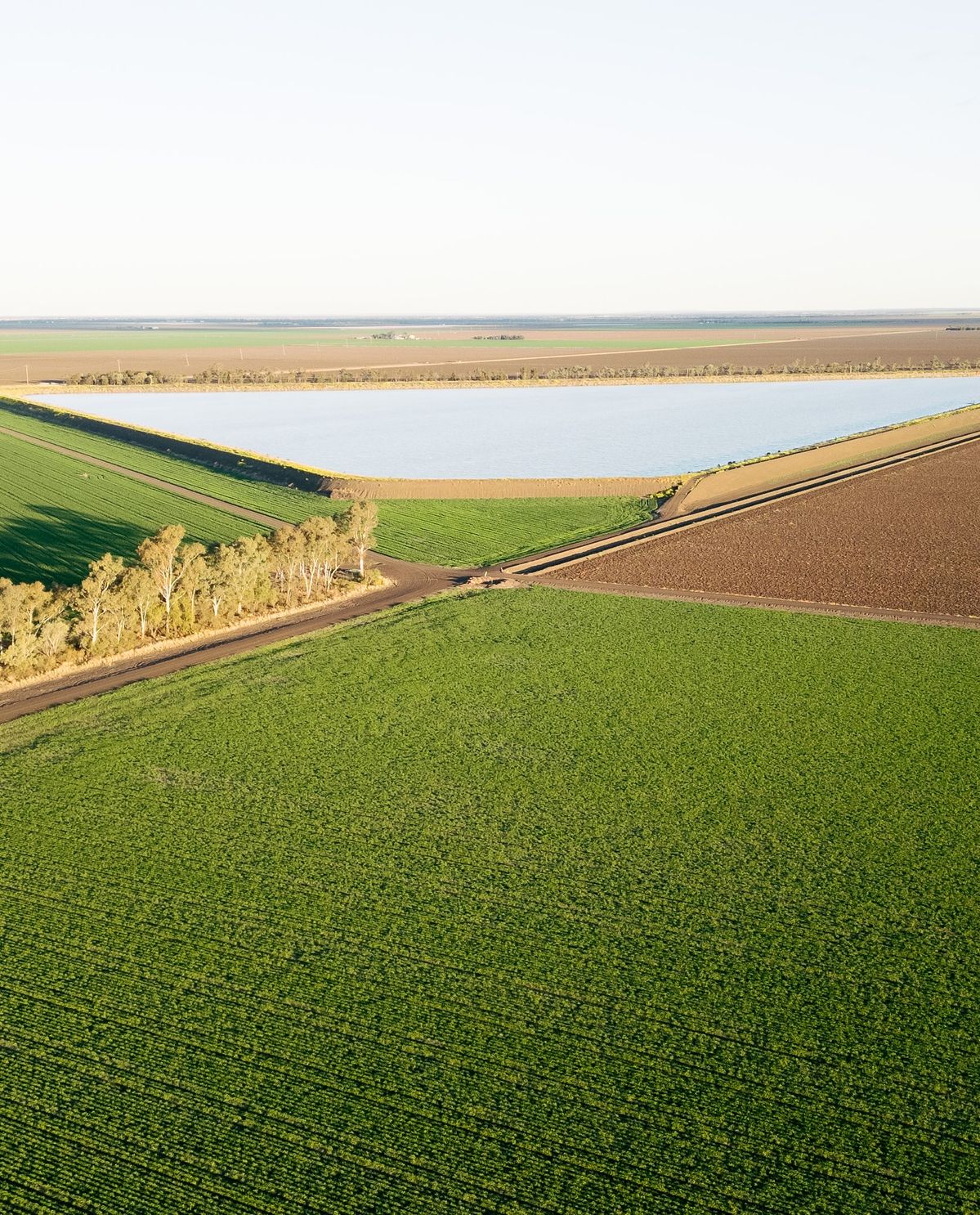
The improvement has raised expectations for cereal and legume cultivation as farmers prepare land for the new season. Better water availability could help ease pressure on irrigation supplies and give agricultural businesses greater flexibility when planning production.
A welcome change after difficult seasons
Water availability is particularly important for Morocco’s agricultural sector, where drought has affected planting decisions, production costs and the amount of land farmers can cultivate.
Improved reservoir levels can give water-management authorities more room to plan allocations for agriculture and other users. They may also support confidence among farmers deciding whether to plant cereals, legumes and other crops that depend on suitable seasonal conditions.
However, national reservoir figures do not tell the whole story. Water availability varies between river basins, and the amount stored in dams is not necessarily the amount that can be delivered to an individual farm.
Agricultural engineer and irrigation consultant Jawad Lemrani, quoted by Hespress, stressed the distinction between improved dam reserves and the water actually supplied to farms.
Sponsored
Why the improvement matters to farmers
For cereal growers, the start of the season is a critical period for preparing fields, selecting seed and deciding how much land to plant. Better water conditions may support those decisions, but rainfall distribution, soil moisture and local irrigation access will remain important.
Farmers should therefore avoid basing production plans solely on national water figures. They need to consider local rainfall forecasts, water allocations, input costs and the likely market for their crops.
The improvement may also create opportunities for irrigation-equipment suppliers, agricultural input businesses and service providers. Yet investment decisions should reflect local conditions rather than assume that every farming area will benefit equally.
Recovery does not mean the water challenge is over
Morocco’s higher dam reserves are an encouraging development, but they do not eliminate the need for careful water management. Demand from agriculture, households and other sectors must still be balanced, and distribution infrastructure plays an important role in determining what reaches farms.
For farmers, the priority is to use available water efficiently, protect soil moisture where possible and match planting decisions to realistic local conditions.
The 2026/27 season begins with a more favourable national reservoir picture than the previous year. Whether that translates into stronger agricultural output will depend on how water is distributed, how the weather develops and how effectively farmers manage their resources.