A new chapter for farmers in the Bénoué Valley
For farmers in northern Cameroon’s Bénoué Valley, access to reliable water has long been one of the biggest factors determining whether a farming season succeeds or fails. Although the region has significant agricultural potential, deteriorating irrigation infrastructure and unreliable water delivery have made it difficult for many producers to achieve consistent harvests.
That situation is beginning to change. Through the World Bank-supported VIVA Bénoué Project, irrigation infrastructure is being rehabilitated and expanded to improve water delivery to agricultural fields. The initiative is helping farmers return to more reliable production, particularly in rice-growing communities where water availability is essential.
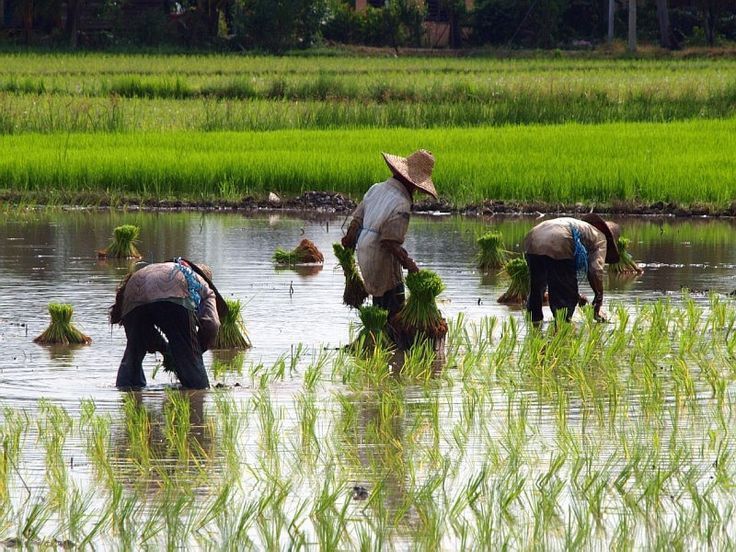
One of the farmers experiencing this change is 65-year-old Mama Witissida, who has cultivated rice in Gounougou since 1988. In earlier years, her harvests reached approximately seven tonnes per hectare. However, as the irrigation scheme deteriorated and water became increasingly unreliable, production declined.
The restoration of irrigation infrastructure has brought renewed hope. In July 2026, water from the Lagdo Reservoir reached the rehabilitated 212-hectare irrigation area at Gounougou, giving farmers access to water at a more suitable time in the production cycle.
For farmers who have experienced years of unreliable irrigation, the return of water represents an opportunity to improve harvests, feed their families and generate income from surplus production.
Investing in infrastructure to reduce water losses
The challenge in the Bénoué Valley has not simply been the availability of water, but also the difficulty of delivering it efficiently to farms.
Traditional open canals can lose significant amounts of water through seepage and evaporation before it reaches agricultural fields. According to the World Bank, these losses have been estimated at between 30 and 40 percent in some irrigation systems.
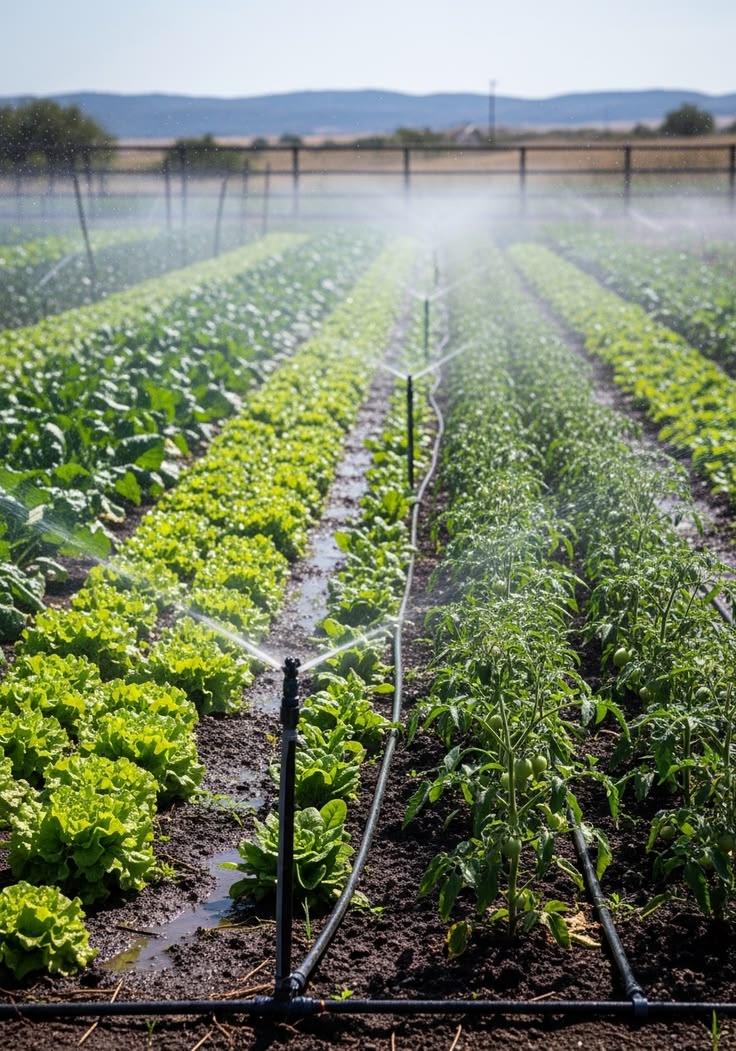
The VIVA Bénoué Project is addressing this problem through improved water distribution infrastructure. On the right bank of the Bénoué River, the project is rehabilitating and extending irrigation canals, beginning with the Gounougou scheme. On the left bank, it is installing buried, pressurised concrete pipelines designed to improve water delivery and reduce losses.
These improvements are expected to make irrigation more reliable while helping farmers use available water more efficiently.
Rice production and the opportunity to reduce imports
Rice is one of the major priorities in the irrigation programme. Cameroon continues to face the challenge of meeting domestic rice demand, making improved local production important for food security and agricultural development.
Sponsored
With irrigation restored, farmers are also testing improved rice varieties through farmer field schools. These practical learning activities allow producers to evaluate different varieties and farming methods under local conditions.
Farmer Tchikilabi Thomas, who has nearly 35 years of farming experience, reported that a newly tested rice variety could produce between eight and nine tonnes per hectare. He explained that farmers had tested and validated the variety themselves through the field-school approach.
While these results will need to be assessed across further production seasons, they demonstrate the potential of combining improved seed varieties, reliable water supplies and practical farmer training.
Creating jobs beyond the farm
The benefits of irrigation investment extend beyond crop production. Improved agricultural activity creates demand for labour in land preparation, transplanting, harvesting, transportation and produce marketing.
The project is also supporting the development of local technical skills. Cameroonian workers have received training in the production of specialised concrete irrigation pipes, while farmers and water-user associations are being equipped with knowledge on irrigation scheduling, maintenance and water management.
According to the World Bank, six Water Users Associations, with 484 members including 119 women, are receiving training to help manage the irrigation systems.
This is important because the long-term success of irrigation infrastructure depends not only on construction, but also on the ability of local communities to operate, maintain and manage it.
The importance of sustainable irrigation investment
Cameroon's experience highlights an important lesson for agricultural development across Africa: improving food production requires more than providing farmers with seeds and fertiliser. Reliable water infrastructure, appropriate technology, technical knowledge and access to markets are equally important.
However, irrigation schemes must also be financially and operationally sustainable. Farmers need effective management structures, affordable maintenance arrangements and reliable markets for their produce. Without these, even well-funded infrastructure investments can struggle to deliver lasting benefits.
For the Bénoué Valley, the restoration of irrigation offers an opportunity to rebuild agricultural productivity and strengthen rural livelihoods. Whether this progress can be sustained will depend on how effectively farmers, government institutions and project stakeholders manage the infrastructure in the years ahead.
For Mama Witissida and other rice farmers in Gounougou, the return of water is a welcome development. It brings renewed hope that the valley can once again become a productive centre for rice farming, supporting household incomes and contributing to Cameroon's wider food security ambitions.