Kenya is expanding investment in agricultural irrigation through a new KSh439 million Karima-Kabutu irrigation project in Othaya Constituency, Nyeri County.
Launched on 29 October 2026, the project is expected to benefit approximately 1,668 farming households by providing more reliable water for crop production across 834 acres of farmland.
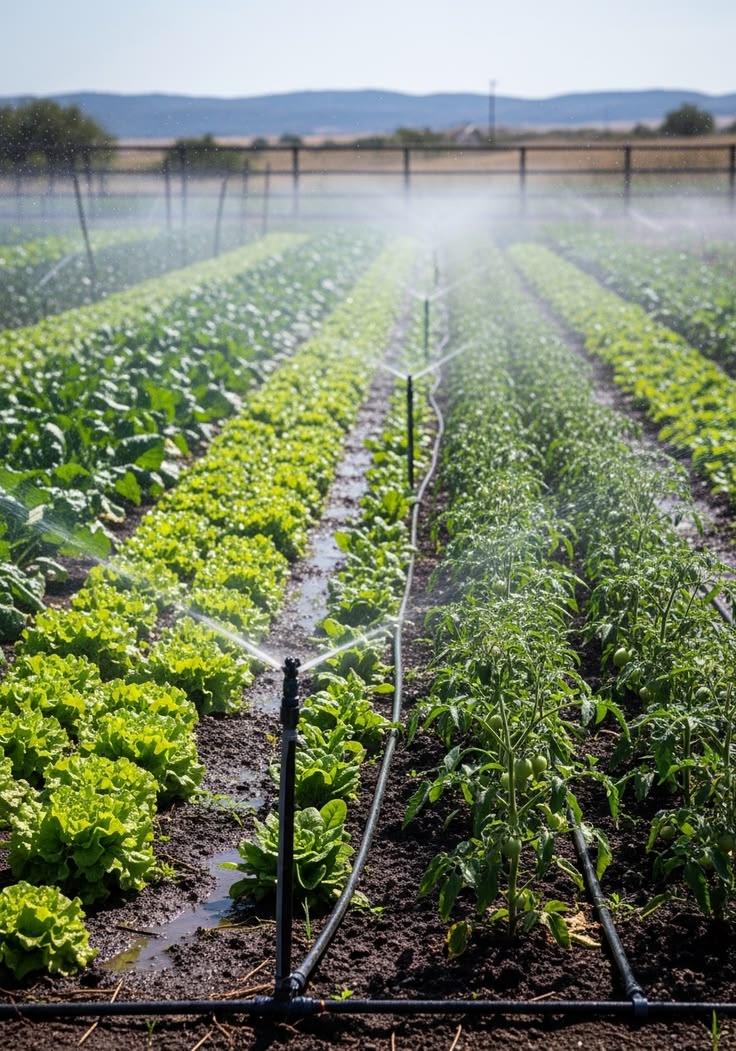
According to the Kenya News Agency, the project is intended to support the production of vegetables and other crops, including cabbages, tomatoes, peas, potatoes and fruits.
Moving beyond rain-fed farming Many smallholder farmers depend heavily on rainfall, making their production vulnerable to delayed rains, dry spells and changing weather patterns.
The new irrigation infrastructure is expected to provide a more dependable water supply, allowing farmers to plan production with greater certainty and potentially cultivate beyond the main rainy seasons.
Speaking during the launch, Kenya's Deputy President, Professor Kithure Kindiki, said the project forms part of the government's efforts to strengthen food security and protect farming communities against unpredictable weather.
How the project will deliver water
Sponsored
Principal Secretary for Irrigation Ephantus Kimotho explained that the project will draw water from River Thuti and channel it to farms in the Karima and Kabutu areas.
The planned infrastructure includes water intake works, sedimentation tanks, conveyance pipelines, distribution systems and in-field irrigation facilities.
Construction is expected to take two years.
Kimotho also indicated that farmers could earn an average gross annual income of approximately KSh750,000 per acre, highlighting the potential economic value of improved water access. This is a projected figure, not a guaranteed return for every farmer.
Opportunities beyond crop production
The project could create opportunities for agricultural input suppliers, irrigation-equipment businesses, seed companies, produce aggregators and traders.
More reliable water supplies can help farmers plan production and supply markets more consistently. However, the eventual benefits will depend on construction, effective water management, affordable farm inputs and access to buyers.
For Kenya's smallholder farmers, the Karima-Kabutu project is an important investment in infrastructure that could help turn rain-dependent production into more reliable commercial agriculture.