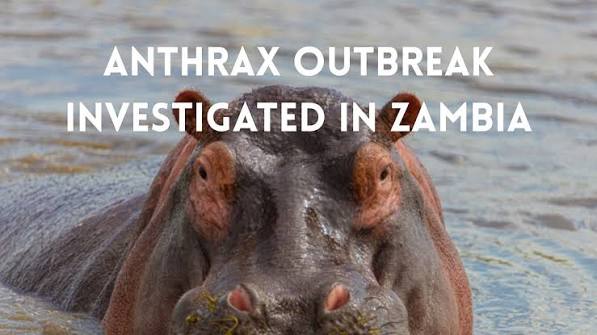
For the communities scattered along the Munyamadzi River in Mpika District, the first sign of trouble wasn't a headline or a health alert. It was the smell — and then the silence — as hippos began turning up dead along the riverbanks in the weeks after July.
By mid-September, the toll had climbed sharply. Zambian authorities have confirmed the deaths of 46 hippos, eight elephants, five buffaloes and one crocodile in the Munyamadzi Game Management Area since July, alongside 12 confirmed human infections in Muchinga Province. The culprit: anthrax, a bacterial disease that has flared up in this region before, but which never fails to unsettle the communities living closest to Zambia's wildlife.
How the Outbreak Unfolded
The alarm was first raised in the Nabwalya Chiefdom, where local officials began investigating a suspected outbreak in the Munyamadzi Game Management Area and the surrounding river system. Rangers and disaster-management teams soon linked the deaths to a shared source of exposure — carcasses of animals that had died from the disease and were later handled or eaten by people living nearby.
Officials confirmed that all twelve human infections stemmed from residents consuming meat cut from contaminated carcasses found along the river. Fortunately, none of the cases have proven fatal so far. No human deaths have been reported from this latest outbreak, and the infected individuals are currently receiving treatment.
Government teams moved quickly once the pattern became clear. A multisectoral response team was deployed to the Munyamadzi Game Reserve and the surrounding river area to contain the spread, and officials called for a temporary suspension of hunting activity in the affected zone. On the ground in Muchinga Province, health and disaster-management officials say they have stepped up disease surveillance and are working directly with communities to change risky behavior around dead wildlife. The Ministry of Health and the Disaster Risk Management Division are jointly intensifying monitoring of infected animals, with an emphasis on the safe disposal of carcasses before they can be scavenged or butchered.
Why Bushmeat Is the Danger Point
Anthrax rarely spreads directly between people. The real risk lies in the moment someone finds a dead animal in the bush and decides not to let a free meal go to waste. The disease is caused by the bacterium Bacillus anthracis, which primarily affects livestock such as cattle, goats and sheep, as well as some wild species — but it can also infect humans who come into contact with it. The bacterium survives for years as tough spores buried in soil, and animals become infected by inhaling the spores or absorbing them through open wounds.
Sponsored
For people, the danger comes almost entirely from handling or eating meat from an animal that died of unknown causes — exactly the temptation officials are now urging communities to resist. Authorities have been blunt about it: don't touch, sell or eat meat from any animal found dead in the wild, and report the carcass instead.
Not Zambia's First Brush With the Disease
This is far from an isolated event. Anthrax shows up in Zambia almost every year in small numbers, but every so often it erupts into something far larger. The country experienced major outbreaks in 2011 and again in 2023, with the 2023 episode spreading into nine of Zambia's ten provinces. That 2023 outbreak was described as unprecedented in scale, killing four people, while the earlier 2011 outbreak recorded more than 500 cases and five deaths linked to eating meat from infected hippos.
The World Health Organization's account of the 2023 outbreak traces its roots even further back. Investigators found that suspected anthrax cases had actually been building in Sinazongwe District's Dengeza Health Post since September 2022, months before the outbreak was formally reported, with dozens of suspected cases quietly accumulating before animal deaths finally triggered a wider alarm.
That history is part of why this year's response has moved so fast. Officials know from experience how quickly a handful of animal deaths can turn into a cross-border health event if wildlife carcasses and bushmeat trade aren't contained early. The WHO has also flagged the regional risk as high, given how freely people and animals move between Zambia and its neighbours, including Botswana, Malawi, Mozambique, Tanzania, Zimbabwe and others.
What Comes Next
For now, the priority is containment. Checkpoints and patrols have been reinforced around the affected river system, carcasses are being tracked and disposed of before they can be scavenged, and health teams are keeping a close eye on anyone who may have been exposed. Wildlife police are watching known carcass sites to prevent movement of contaminated meat, and residents have been told to report any unexplained animal death immediately rather than approach it.
Veterinary officials in the region stress that the underlying advice hasn't changed in a hundred years: an animal that dies without explanation should never end up on a plate. It's simple, and yet it remains the single hardest habit to break in communities where wild protein can mean the difference between a meal and going without.
For farmers and livestock keepers elsewhere in Zambia, the outbreak is also a reminder to watch their own herds closely. Cattle and goats remain vulnerable to the same bacterium, and any sudden, unexplained livestock deaths in high-risk areas should be reported to veterinary authorities rather than handled informally.