Nigeria’s Federal Government is intensifying its response to avian influenza, calling for stronger biosecurity, improved disease surveillance and more effective controls on the movement of birds.
The government outlined the measures during a workshop on strengthening the Nigeria Agricultural Quarantine Service, held in Keffi, Nasarawa State, on 22 October 2026. The announcement was reported by the Federal Ministry of Livestock Development and Nigeria’s Voice of Nigeria news service later that week.
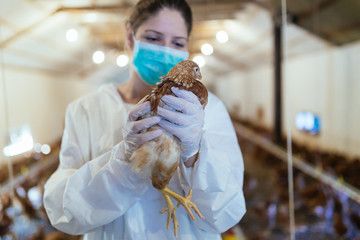
Dr Mitchell Alao, head of the Department of Animal Health and Reproductive Services and national programme coordinator of the Avian Influenza Control Programme, said controlling the movement of animals is critical to preventing infected birds from carrying the disease into unaffected areas. Why avian influenza is a major concern Avian influenza, commonly called bird flu, is a viral disease that can cause severe illness and deaths in poultry, depending on the strain and the species affected.
An outbreak can force farmers to isolate or cull infected flocks under official disease-control procedures. It can also disrupt poultry trading, raise operating costs and undermine confidence in the supply of eggs and chicken meat.
Nigeria’s poultry industry serves a large domestic market, making effective disease control important to producers, hatcheries, feed suppliers, processors and retailers.
Biosecurity begins on the farm
The government and FAO are emphasising practical measures to reduce the likelihood of infection entering or leaving poultry operations.
Sponsored
These include controlling access to poultry houses, cleaning and disinfecting equipment, limiting unnecessary visits, separating birds from potential sources of infection and maintaining good records of flock health.
Farmers should also avoid moving birds, eggs or equipment from affected premises in ways that could spread infection. Any suspected outbreak should be reported promptly to veterinary authorities, who can advise on testing and official control measures.
The government has identified surveillance and communication with stakeholders across the poultry value chain as additional priorities. Veterinary services need timely reports to investigate suspected cases and determine where further action is required.
Protecting poultry businesses
For commercial producers, disease prevention is an economic safeguard. An outbreak can affect more than the infected farm: transporters, feed businesses, hatcheries and market traders may also experience disruption when movement restrictions are introduced.
Smaller producers may be particularly exposed if they lack dedicated facilities, protective equipment or access to veterinary support. Training and clear communication are therefore essential to making biosecurity practical across different production systems.
Nigeria’s latest announcement signals stronger coordination between government and FAO, but it does not mean avian influenza has been eradicated. The effectiveness of the response will depend on surveillance, compliance with control measures and the speed at which suspected infections are reported.
For poultry farmers, the message is straightforward: maintain strict hygiene, monitor birds daily and seek veterinary advice quickly when unusual illness or mortality occurs.