Nigeria is exploring a more systematic way to identify and track livestock as the country seeks to improve meat safety, strengthen animal-health controls and expand opportunities for livestock-product exports.
On 29 September 2026, Nigeria’s Federal Ministry of Livestock Development announced that it had begun discussions with the United Nations Industrial Development Organization (UNIDO) on potential technical cooperation. The proposed areas include animal identification, traceability, laboratory capacity, certification and food safety.
The discussions reflect an important challenge for the livestock industry: buyers and regulators need reliable information about where animals originate, how they have been managed and whether products meet the required health and safety standards.
Why tracking an animal matters
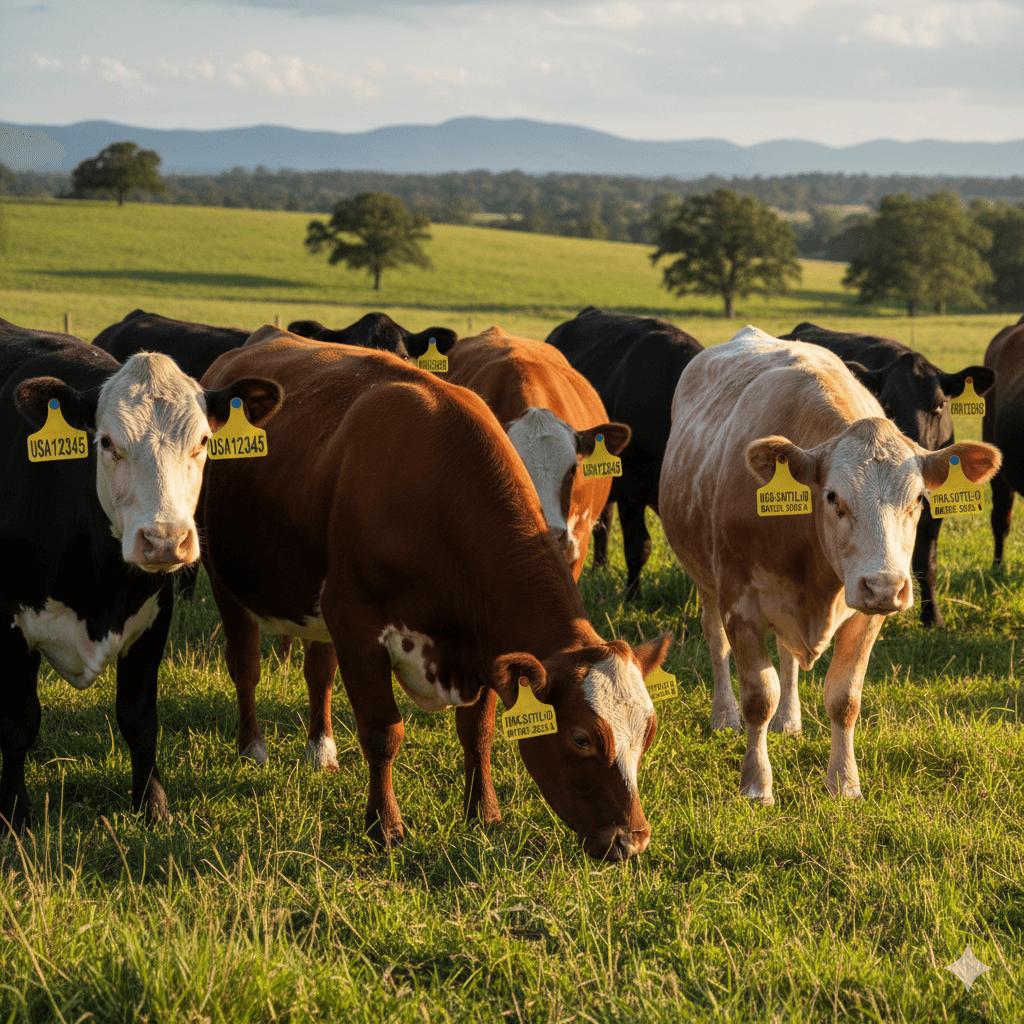
Livestock traceability connects an animal to records that can help establish its identity, movements and relevant health history. Depending on how a system is designed, these records may include vaccination information, veterinary treatments and ownership details.
Such information can support disease surveillance, help officials investigate potential outbreaks and strengthen confidence in livestock products.
For farmers and livestock traders, reliable records may also make it easier to demonstrate compliance with buyer requirements. Processors and exporters can benefit from clearer information about the animals entering their supply chains.
Nigeria’s Permanent Secretary for Livestock Development, Dr Chinyere Ijeoma Akujobi, emphasised the importance of the system, stating: “No trading partner will take any piece of meat from you if you don't have a system capable of tracing livestock and livestock products through the value chain.”
Tags, microchips and digital records
Sponsored
According to the ministry, Nigeria is interested in learning from UNIDO’s experience with digital identification technologies, including tags and microchips linked to electronic databases.
The proposed cooperation could also cover veterinary laboratory improvements, inspector training, certification and stronger biosecurity arrangements.
These elements are connected. Identifying an animal is only one part of a reliable traceability system; records must be accurate, laboratories must be able to perform appropriate tests, and veterinary authorities must have the capacity to enforce relevant standards.
A tracking system would also need to work for producers operating in different conditions, including pastoral and smallholder livestock systems. Costs, connectivity, training and the practical process of updating records will all influence whether farmers can use it effectively.
What it could mean for the livestock business
For Nigeria’s livestock sector, stronger traceability could help improve the credibility of supply chains and support efforts to meet the requirements of domestic and international buyers. Better records could also help authorities respond more effectively to animal-health risks.
However, the initiative remains at the discussion stage. The ministry’s announcement does not set out a confirmed nationwide rollout date, total budget or number of animals to be registered.
The next steps will determine whether the proposal becomes a practical system that farmers, veterinary services, processors and exporters can use.
For livestock businesses, the message is clear: animal identification and reliable records are becoming increasingly important parts of a modern, competitive supply chain.