For millions of Sudanese families, livestock is much more than a source of meat or milk. Cattle, sheep, goats and other animals represent household savings, a source of income, a supply of nutritious food and a means of rebuilding after hardship. But conflict and worsening drought are placing these essential assets under growing pressure.
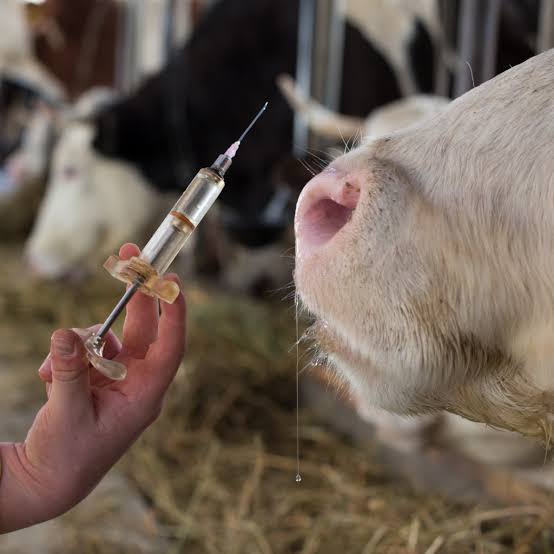
On 25 September 2026, the Food and Agriculture Organization of the United Nations (FAO) launched a nationwide livestock vaccination campaign for 2026–2027, targeting 9.8 million animals and 1.2 million livestock-owning households. The campaign is part of a wider effort to protect agricultural production and support rural communities affected by conflict and displacement.
The initiative comes at a critical time. In a report published on 23 October, Reuters documented severe drought conditions across Sudan, with livestock weakened by scarce pasture and farmers facing substantial crop losses. The combination of climate pressure and conflict is making it harder for rural households to sustain their livelihoods.
A livestock sector too important to lose
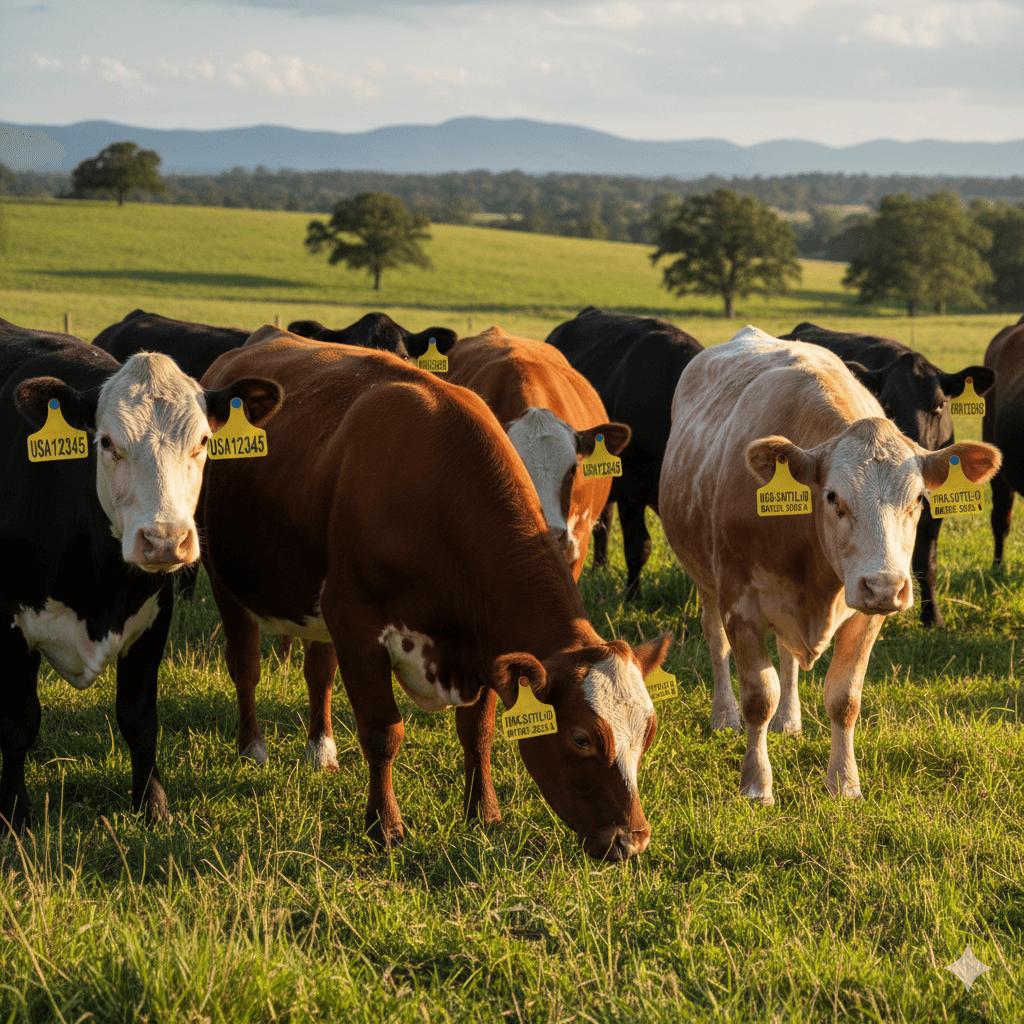
Sudan’s livestock industry is a major part of its agricultural economy. FAO estimated the national herd at 115.4 million animals in 2025, highlighting the sector’s importance to food supplies, rural incomes and trade.
For pastoralists and mixed crop-livestock farmers, animals provide multiple benefits. Milk contributes to household nutrition, while the sale of cattle, sheep and goats helps families pay for food, healthcare, education and agricultural inputs.
Livestock also supports a wider network of economic activities, including animal trading, transport, veterinary services, feed supply and meat processing. When herds become unhealthy or lose body condition, the consequences extend beyond individual farms.
The conflict that began in April 2023 has disrupted veterinary services, damaged infrastructure and weakened disease surveillance. These problems make it more difficult to deliver vaccines, diagnose infections and respond quickly to outbreaks.
FAO estimates that livestock-related losses have reached nearly US$3 billion, underlining the scale of the challenge facing the sector.
Vaccination becomes a frontline defence
The current campaign builds on previous efforts to protect animals against common livestock diseases. Between October 2025 and July 2026, FAO reported vaccinating 8.4 million animals, benefiting an estimated 537,000 households.
The new campaign aims to extend protection across all 18 states, including areas where conflict and difficult access make veterinary delivery especially challenging. It is also supported by measures intended to improve animal nutrition, including vouchers for concentrated feed and mineral salt licks for eligible livestock owners.
FAO’s Director of Emergencies and Resilience, Rein Paulsen, emphasised the economic importance of prevention, stating: “Protecting an animal today costs far less than replacing one tomorrow.”
The principle is particularly relevant where families have limited resources to purchase replacement animals. Preventing disease can help preserve breeding stock, protect milk supplies and reduce the risk that households lose assets they may have taken years to build.
However, vaccination is not a complete solution on its own. It must be supported by appropriate veterinary advice, surveillance, correct vaccine handling and access to feed and water.
Sponsored
Drought adds another layer of risk
Disease is only part of the challenge. Poor pasture, limited water and rising production costs can weaken animals, reduce productivity and increase the financial pressure on livestock owners.
Reuters reported in October that rainfall during Sudan’s July-to-September peak rainy season was the lowest in more than three decades nationally, according to United States Geological Survey data. Some areas experienced particularly severe deficits, with pasture conditions and crops suffering as temperatures rose.
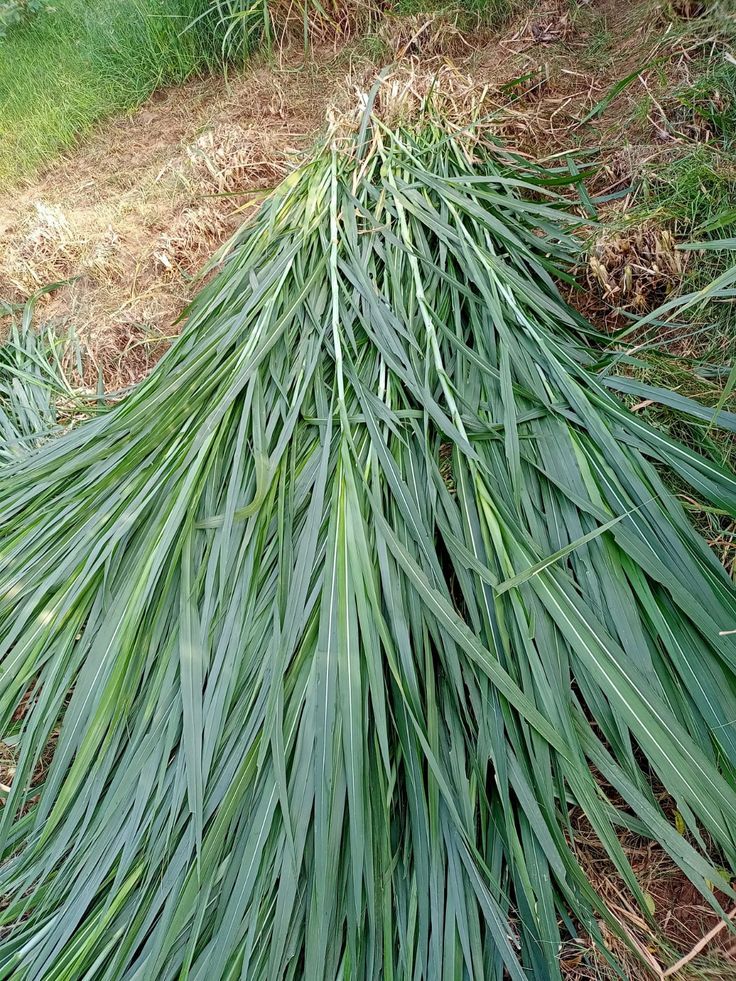
For livestock farmers, a prolonged shortage of grazing can lead to declining body condition, reduced milk production and lower sale weights. Breeding performance may also suffer when animals cannot obtain sufficient nutrition.
Feed support can help eligible households manage some of these pressures, but availability and affordability remain crucial. In remote areas, getting supplies to farmers can be difficult when transport routes and markets are disrupted.
Farmers need practical support that reflects local conditions, including access to veterinary services, suitable feed, safe water and advice on managing herds during periods of scarcity.
The importance of restoring veterinary services
One of the most serious setbacks has been damage to Sudan’s veterinary infrastructure. FAO reported that the Central Veterinary Research Laboratory in Soba, previously the country’s sole producer of veterinary vaccines for more than five decades, was destroyed during the conflict. Before the war, the laboratory could produce up to 35 million vaccine doses annually.
Rebuilding this capacity is important for more than the current campaign. Functional laboratories and trained veterinary personnel help authorities detect diseases, investigate unusual animal deaths and respond before outbreaks spread.
A stronger veterinary system would also benefit livestock traders and processors, who depend on healthy animals and reliable disease controls to maintain confidence in supply chains.
What recovery will require
Sudan’s livestock recovery will depend on sustained investment beyond emergency vaccination. Restoring veterinary facilities, strengthening disease surveillance, improving access to feed and supporting livestock-owning households will all be important.
The needs are substantial. FAO reported that its emergency and resilience programme for Sudan had US$44.1 million available against an appeal of US$193 million under its 2026–2028 Emergency Response Plan.
For farmers, the immediate priority is to protect the animals they still have. Veterinary guidance, timely vaccination, practical feeding plans and access to water can help limit further losses where services remain available.
For the wider agricultural sector, protecting livestock is also a food-security measure. Healthy animals can continue producing milk and meat, supporting household nutrition and providing income that helps rural communities recover.
Sudan’s vaccination campaign offers an important intervention at a time when livestock owners face multiple pressures. Its success will depend on reaching farmers consistently and combining animal-health protection with the resources needed to keep herds alive and productive.