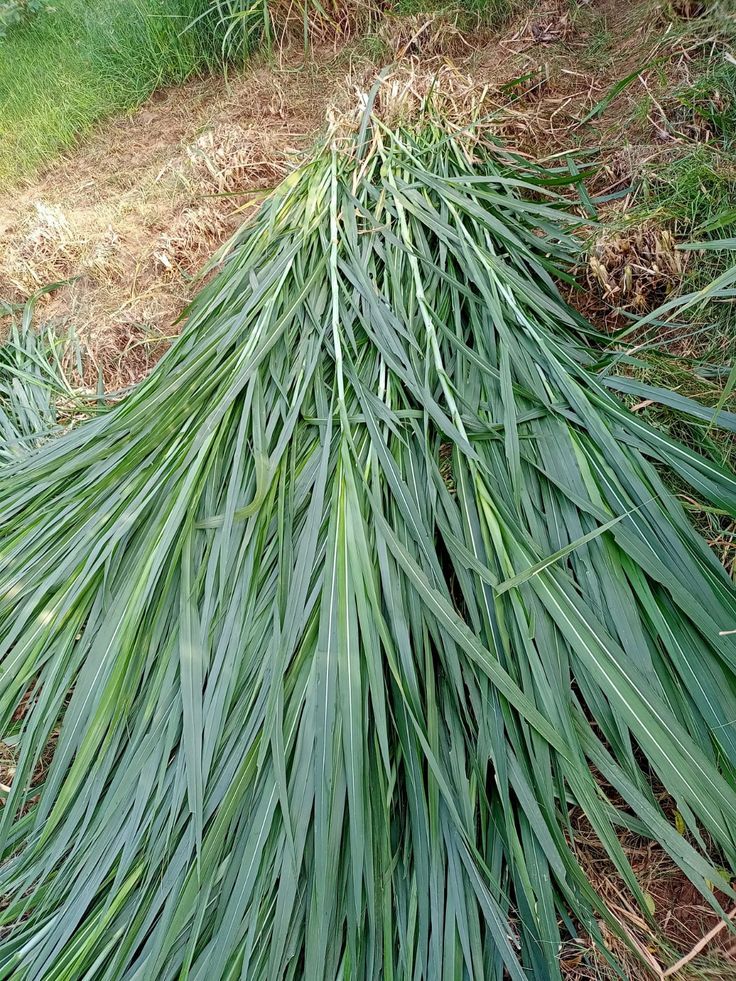
Rwanda is stepping up efforts to improve livestock nutrition, with the government planning to distribute 15 million Juncao Hybrid Napier grass seedlings to farmers across the country.
The initiative was announced by the Ministry of Agriculture and Animal Resources on 30 October 2026 during a grass-planting campaign in Nyagatare District. The programme is supported by the Food and Agriculture Organization of the United Nations (FAO) and aims to help farmers establish their own fodder plantations rather than depend entirely on natural grazing.
Tackling the livestock feed shortage
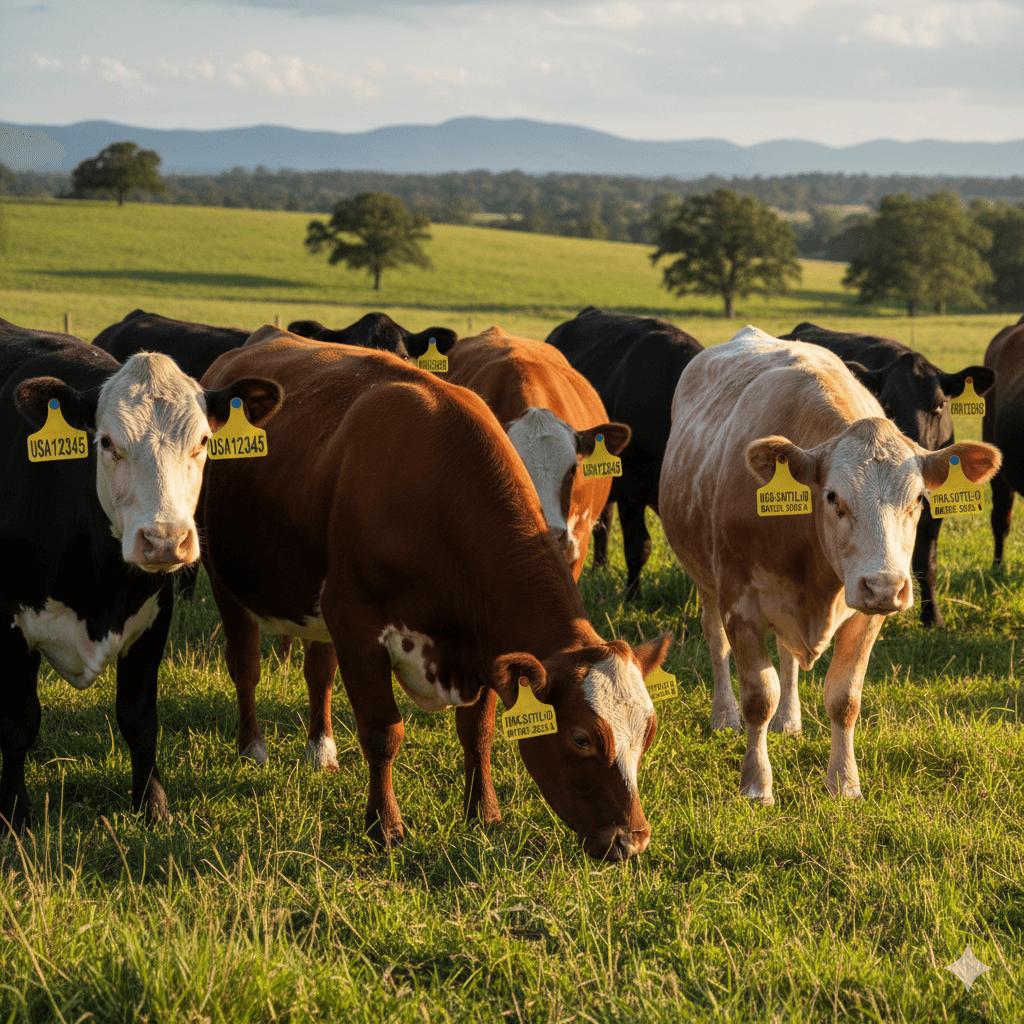
Feed availability remains a major challenge for livestock farmers, particularly in areas that experience prolonged dry conditions. When pasture becomes scarce, cattle may lose body condition, milk production can decline and farmers may struggle to maintain healthy herds.
The improved grass is being promoted as a source of nutritious fodder that farmers can grow and harvest for their animals.
Minister of State for Agriculture and Animal Resources, Dr Solange Uwituze, encouraged farmers to adopt improved fodder varieties, zero-grazing practices and balanced feeding.
She warned that feed shortages can result in cattle losses during dry periods and emphasised the importance of preparing animal feed in advance.
Sponsored
Two million seedlings distributed in Nyagatare
The programme is already being implemented in Nyagatare, where two million seedlings have been distributed, with the potential to cover approximately 125 hectares.
Farmers receiving the planting materials are expected to establish fodder plots and multiply the grass for future use. The government is encouraging beneficiaries to share planting materials with other livestock keepers, helping expand access beyond the initial recipients.
The approach could help reduce dependence on purchased feed and natural pasture, particularly for dairy farmers who need consistent nutrition to maintain milk production.
An opportunity for better livestock nutrition
For dairy and beef producers, reliable fodder supplies are essential for maintaining productivity throughout the year. However, improved grass varieties still require appropriate land preparation, planting, harvesting and storage.
Farmers will also need to combine fodder with other suitable feed ingredients to provide balanced diets.
If implemented effectively, Rwanda’s programme could strengthen livestock resilience while creating opportunities for fodder producers, agricultural input suppliers and livestock-service businesses.