Agriculture Enters a New Digital Phase
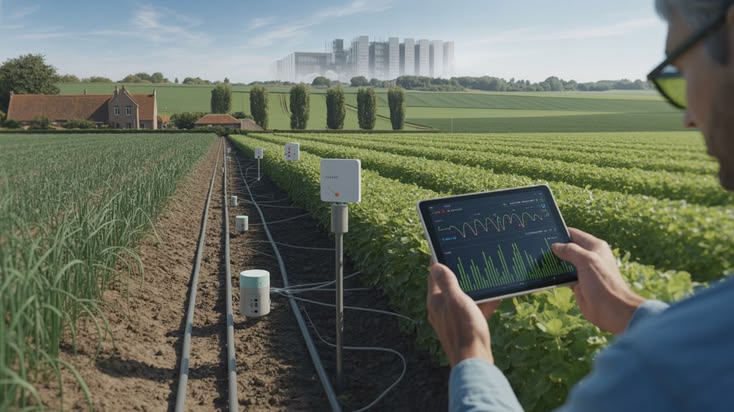
Kenya is pushing agriculture further into the digital era as the government seeks to build a more connected system linking farmers with agricultural services, markets and information.
Agriculture and Livestock Development Cabinet Secretary Mutahi Kagwe said on 2 October 2026 that 8.9 million farmers had already been registered under government agricultural systems.
The registration is being used to improve the delivery of services including subsidised fertiliser, certified seed, vaccination, animal identification and other agricultural support.
For farmers, the ambition is straightforward: government wants to know who farmers are, where they are, what they produce and what services they require.
From Farmer Registration to Agricultural Intelligence
The government has also launched the Kenya Agricultural and Digital Information Centre (KADEC) as a platform intended to provide a central source of agricultural data and technology.
This could become important as African agriculture becomes increasingly dependent on timely information.
A farmer facing drought needs different support from one dealing with a disease outbreak. A dairy farmer needs different services from a maize producer. A livestock trader needs market and traceability information that may not be necessary for a small vegetable producer.
Better data can therefore allow agricultural services to become more targeted.
Livestock Also Enters the Digital System
Kenya's digital agriculture push is not limited to crops.
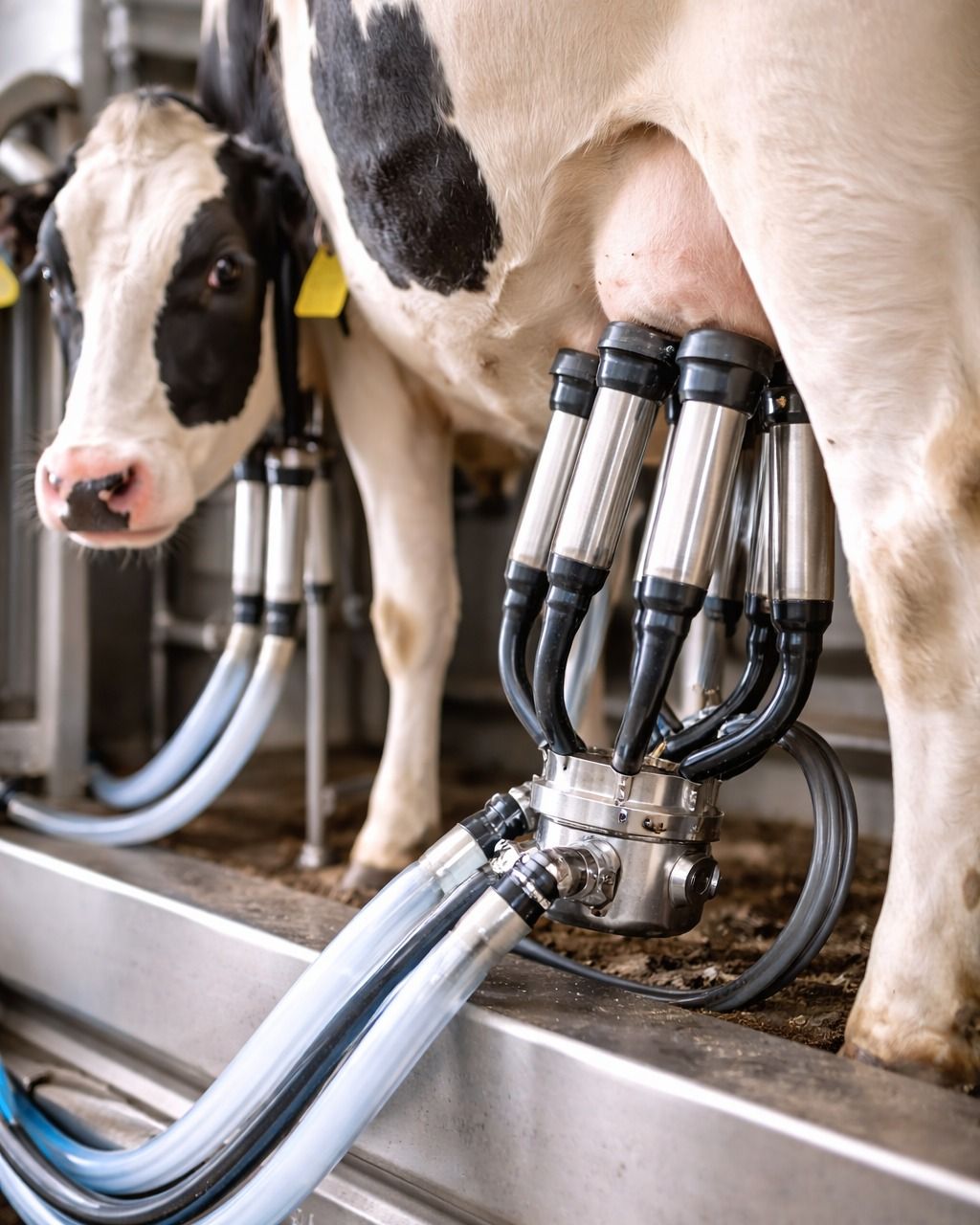
The government is also using animal identification and traceability systems to improve livestock management.
That has implications for animal health, breeding, movement control and potentially livestock trade.
For Kenya's livestock industry, traceability could become increasingly important as markets demand greater confidence about where animals come from and their health status.
The Farmer's Biggest Question
Technology, however, does not automatically solve agricultural problems.
Sponsored
The value of digital agriculture depends on whether farmers can actually use the information and services being provided.
A farmer with a smartphone but poor connectivity still faces limitations. A digital platform may register millions of farmers, but its real impact will depend on whether farmers receive timely information, affordable inputs, extension support and access to markets.
Kenya's government has also acknowledged continuing challenges, including rising production costs, climate variability and pressure on natural resources.
Irrigation and Climate Resilience
The digital strategy is being developed alongside wider agricultural measures.
Kenya is expanding irrigation, promoting water-efficient technologies and encouraging drought-tolerant crops, conservation agriculture, agroforestry and sustainable land management.
This combination is important because digital information alone cannot protect a farmer from drought.
Data becomes more powerful when it is connected to practical action — irrigation, improved seed, insurance, extension and markets.
A Bigger Agricultural Database
The long-term opportunity is the creation of a large agricultural information ecosystem.
If properly managed, farmer data could help government and private companies understand where production is concentrated, where input demand is increasing, where disease risks are emerging and where infrastructure is needed.
For financial institutions, better agricultural information could also support lending decisions.
For agribusinesses, it could help identify markets.
For farmers, the ultimate measure will be whether all of this technology translates into higher productivity, lower costs and better incomes.
Kenya's digital agriculture experiment is therefore moving into an important phase.
The country has built a substantial farmer database.
The next challenge is turning that database into a system that delivers measurable value at farm level