Measuring Agricultural Success Beyond Harvest Volumes
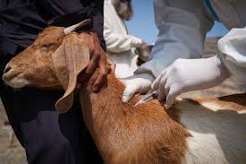
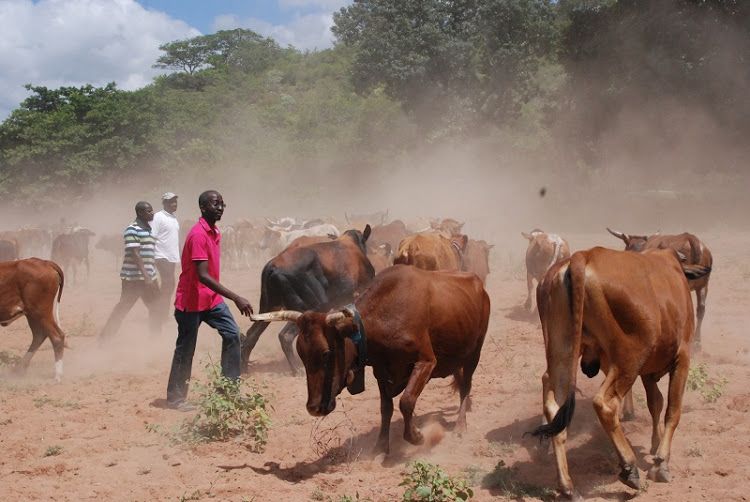
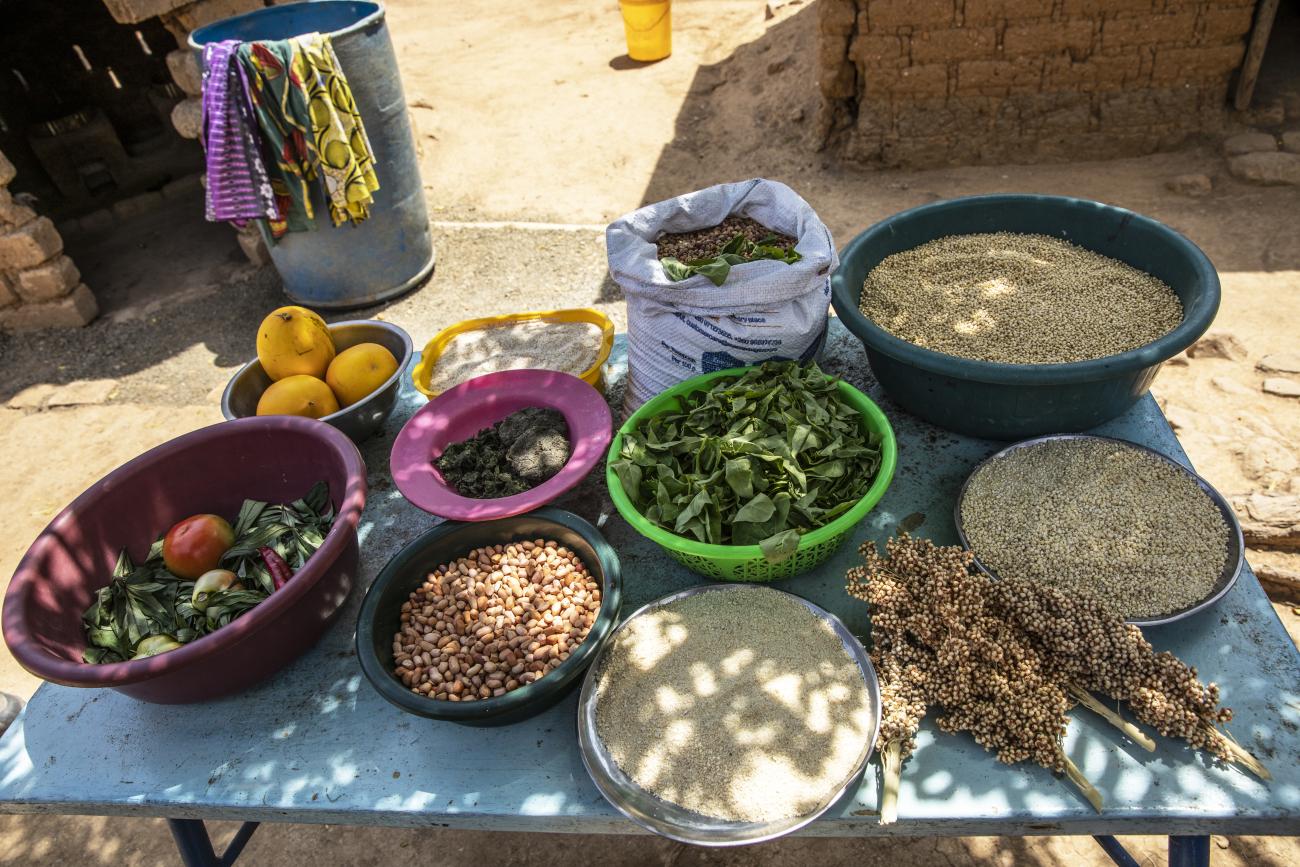
Farm productivity is often measured by the amount of grain or other produce harvested. While yields are important for household food supplies and farm income, production volumes alone do not reveal whether communities have access to a diverse and nutritious diet. Nutrition-sensitive agriculture takes a broader view. It considers how farming decisions, food availability, income, storage, processing and market access influence the foods people can obtain and consume. For example, a farm that produces maize for household consumption and sale may also be able to grow beans, groundnuts, leafy vegetables or other locally suitable foods. Where conditions allow, fruit trees, poultry or other livestock can contribute additional food products and income. The appropriate combination depends on land size, climate, labour, water availability, household needs and access to markets. Diversification is not a universal prescription for every farm. Farmers must evaluate the commercial and agronomic risks of each enterprise. However, carefully planned diversity can reduce dependence on a single product and create more varied food options.
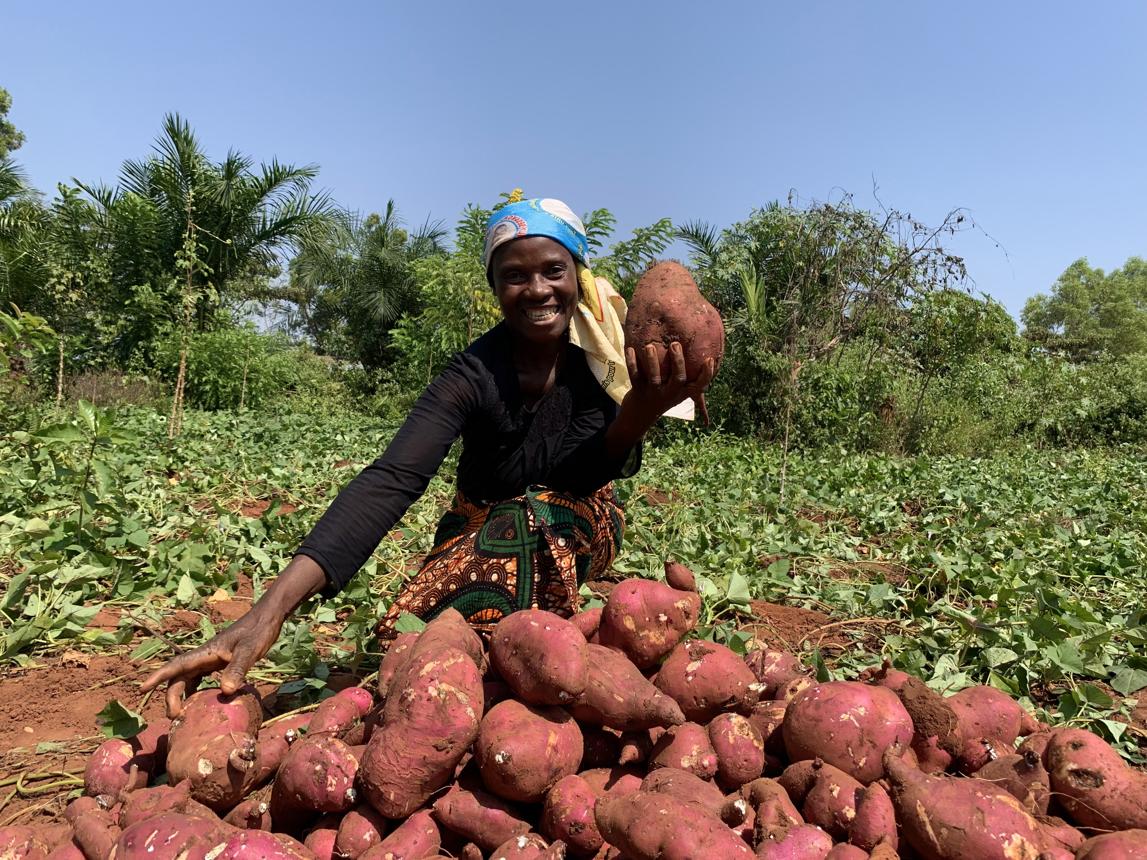
Planning Production Around Food and Market Needs A nutrition-sensitive farm plan begins by examining what the household consumes, what grows successfully in the local environment and which products have reliable markets. In some communities, farmers may benefit from growing legumes alongside cereal crops as part of an appropriate rotation system. In other areas, vegetables, roots and tubers or locally adapted indigenous crops may offer suitable opportunities. Where water is limited, crop choice and planting schedules need to reflect the available moisture and the length of the growing season. Farmers should seek locally appropriate agronomic advice before introducing unfamiliar crops or changing established production systems. They also need to consider seed availability, pest and disease pressures, labour requirements, storage and likely selling prices. For commercial producers, demand analysis is especially important. A crop may have nutritional value but still produce a financial loss if the market is small, transport is expensive or buyers are unwilling to pay a sustainable price.
Sponsored
Preventing Losses Helps Protect Nutrition Food that is produced but damaged, contaminated or wasted cannot deliver its full value to households or businesses. Post-harvest handling is therefore an important part of the relationship between agriculture and nutrition. Vegetables and fruits may deteriorate rapidly without appropriate handling and storage. Grain and legumes need to be dried and stored under suitable conditions to protect quality. Poor storage can lead to pest damage and mould contamination, while inadequate hygiene can introduce food-safety risks during processing and preparation. Simple improvements may include harvesting at the right stage, using clean containers, sorting damaged produce, drying crops appropriately and storing food away from moisture and pests. More advanced solutions, such as cold storage, improved drying equipment and processing facilities, may be worthwhile where production volumes and market demand justify the investment. Reducing losses can improve the amount of food available for household use and increase the quantity that can be sold. It can also help small businesses maintain more consistent supplies.
Markets Determine Whether Nutritious Foods Are Affordable Producing nutritious foods is only part of the challenge. Households must also be able to afford them and find them in local markets. Seasonal shortages, transport costs, inadequate storage and weak links between producers and retailers can affect availability and prices. Better coordination between farmers, aggregators, traders and retailers can help food move more efficiently from production areas to consumers. Local processors can play a role by transforming suitable crops into products that are easier to store, transport or prepare. However, processing must maintain appropriate food safety and quality standards, and the resulting products must remain commercially viable and affordable. Public institutions, including schools and hospitals, may also offer potential markets for locally produced foods, subject to procurement rules, food-safety standards, budgets and nutritional requirements.
The Role of Women, Young People and Extension Services Women often play important roles in food production, household food preparation and local food trading, although their responsibilities and access to resources vary between communities. Supporting women farmers with training, land access, finance, inputs and market connections can strengthen their ability to contribute to both household welfare and agricultural businesses. Young people can participate in production, food processing, storage, logistics, digital market services and retail. These opportunities require practical skills and access to equipment, capital and buyers. Agricultural extension officers and nutrition professionals can work together to provide advice that links crop selection and production practices with food safety and dietary needs. Such cooperation is especially useful when farmers are considering new crops, improved varieties or different ways of marketing their produce.
Building Food Systems That Deliver More Than Calories Nutrition-sensitive agriculture encourages stakeholders to ask a broader question: does the agricultural system help people access enough safe, diverse and nutritious food while providing sustainable livelihoods for those who produce it? Progress requires more than asking farmers to diversify. It also means improving markets, reducing losses, investing in storage and processing, and ensuring that agricultural policies consider the needs of consumers as well as producers. For African agriculture, this approach offers a practical opportunity to connect farm productivity with public health and rural enterprise. When production, markets and nutrition objectives are planned together, agriculture can contribute to both stronger livelihoods and better access to food.