Eswatini has reported zero active cases of foot-and-mouth disease (FMD), marking an important step in efforts to protect cattle farmers and strengthen the country’s livestock sector.
In an update published on 24 October 2026, the Food and Agriculture Organization of the United Nations (FAO) said it was supporting the government with technical assistance valued at US$350,000, equivalent to approximately E5 million, to reinforce disease control and prepare for future outbreaks.
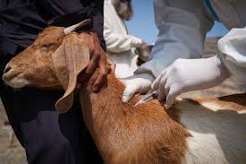
The support follows an extensive national vaccination campaign. According to the FAO, more than 458,000 cattle had been vaccinated by July 2026, with approximately 783,000 vaccine doses used. Eswatini’s national cattle herd is estimated at around 600,000 animals.
Why disease control matters to farmers
Foot-and-mouth disease is a highly contagious viral disease affecting cattle and other cloven-hoofed animals, including pigs, sheep and goats. It can cause fever, mouth and foot lesions, reduced feeding and lower productivity.
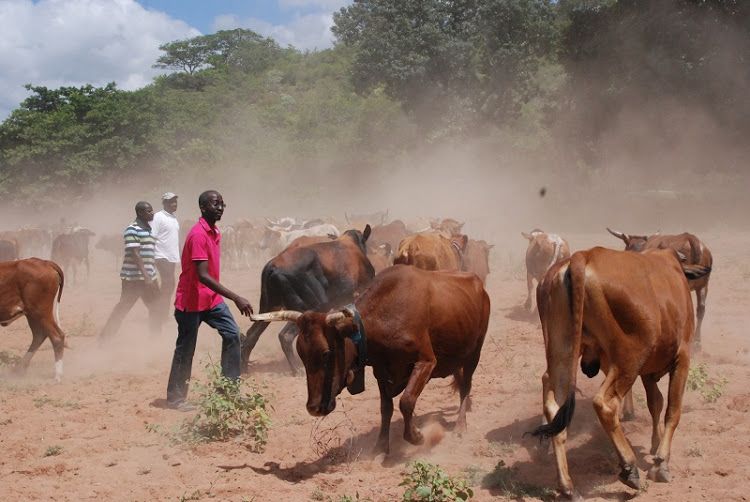
Even when animal deaths are limited, outbreaks can have major economic consequences. Authorities may restrict livestock movement, suspend markets and impose other controls to prevent transmission. These measures can affect farmers’ ability to sell animals and disrupt the supply chains that serve meat processors and traders.
For Eswatini, maintaining control of the disease is therefore important not only for animal health but also for protecting rural incomes and supporting safe livestock trade.
Sponsored
Vaccination must be backed by surveillance
The FAO’s assistance includes veterinary training, monitoring of vaccination programmes, disease surveillance, contingency planning and improvements to biosecurity measures.
Authorities are also working to strengthen livestock movement controls and the procedures used at checkpoints. These measures help reduce the risk of infected animals spreading disease to unaffected areas.
The FAO emphasised that the reported absence of active cases is an important milestone, but it does not remove the need for continued vigilance. Surveillance after vaccination remains necessary to assess protection and detect any resurgence.
What happens next?
Eswatini has applied to the World Organisation for Animal Health (WOAH) for recognition as an FMD-free country with vaccination, according to the FAO report. Any formal recognition will depend on the applicable assessment and certification process.
For farmers, the immediate priority is to continue following veterinary instructions, comply with movement restrictions where they apply and report suspected disease promptly.
The development offers encouragement to Eswatini’s livestock industry, but maintaining disease control will require sustained vaccination, strong veterinary services and consistent cooperation between farmers and authorities.