Nutrition Begins Long Before Food Reaches the Plate
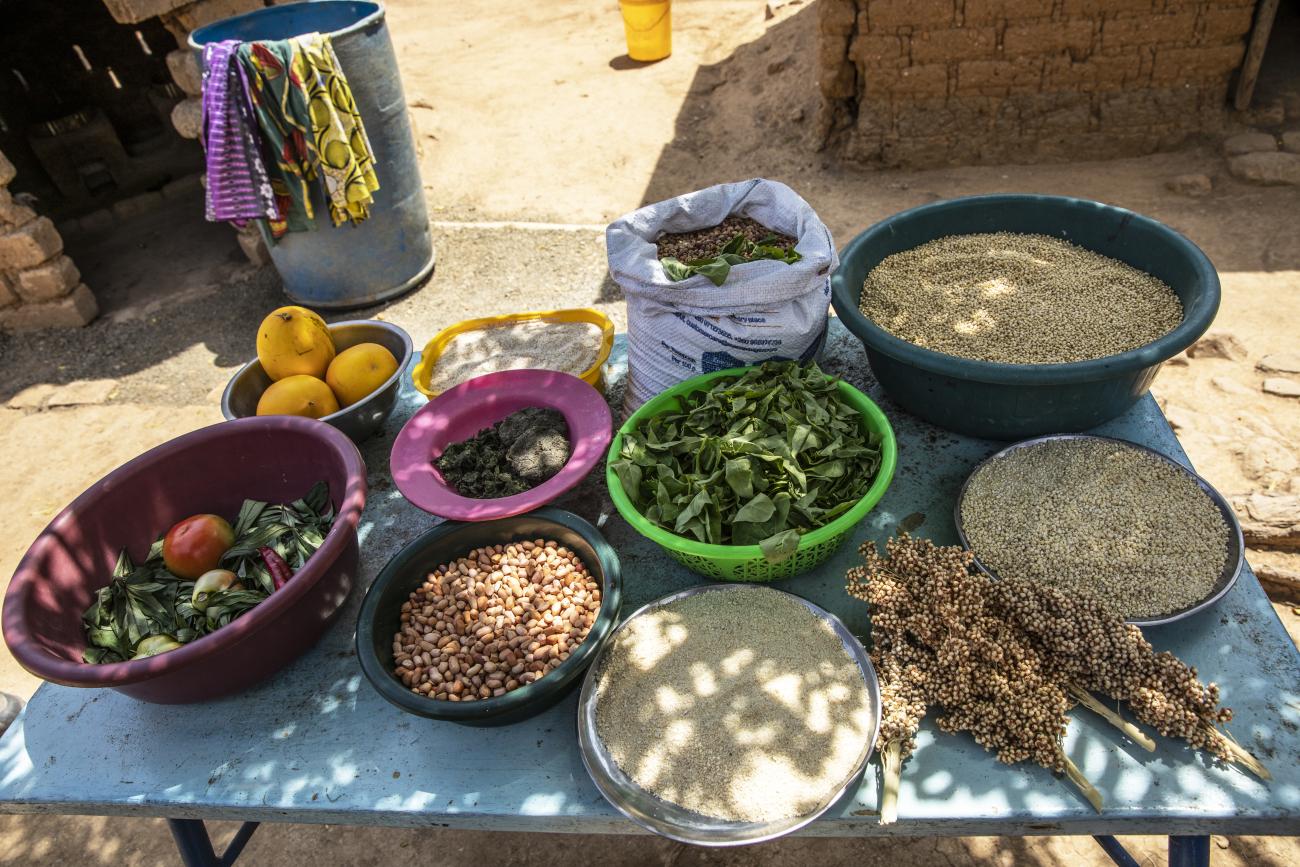
Nutrition is often discussed in terms of what people eat, but the choices available to households are shaped long before food reaches the kitchen. Farmers determine which crops are grown, traders influence which foods reach local markets, and processors help determine how ingredients are stored, prepared and sold. When farming systems rely heavily on a narrow range of crops, households may have fewer locally available food options during parts of the year. A more diverse agricultural system can provide different foods, create additional sources of income and help communities manage some of the risks associated with changing weather and market conditions. Traditional and locally adapted crops have an important role in this conversation. Depending on the variety and preparation method, crops such as millet, sorghum, cowpeas, beans, groundnuts, orange-fleshed sweet potatoes and indigenous leafy vegetables can contribute energy, protein, fibre, vitamins or minerals to diets. No single crop provides every nutrient a person needs. The nutritional value of a diet depends on the range of foods eaten, their quality, preparation, accessibility and the needs of the individual.
Africa’s Crop Diversity Faces Growing Pressure A report released by the Food and Agriculture Organization of the United Nations in February 2026 warned that Africa is losing plant diversity important to food security, nutrition and climate resilience. The report highlighted concerns about the disappearance of crop varieties, locally adapted landraces, wild food plants and the wild relatives of cultivated crops. This loss matters because different crop varieties may have characteristics that are valuable to farmers and communities. Some may be adapted to local growing conditions, while others may possess traits that breeders can use to develop future varieties. Traditional food plants can also preserve culinary knowledge and support diets that reflect local environments and cultures. Protecting this diversity does not mean rejecting improved crop varieties or modern farming. It means ensuring that agricultural development does not unnecessarily eliminate useful local resources. Seed conservation, community seed systems, research, farmer knowledge and the responsible use of plant genetic resources can all contribute to this effort.
Sponsored
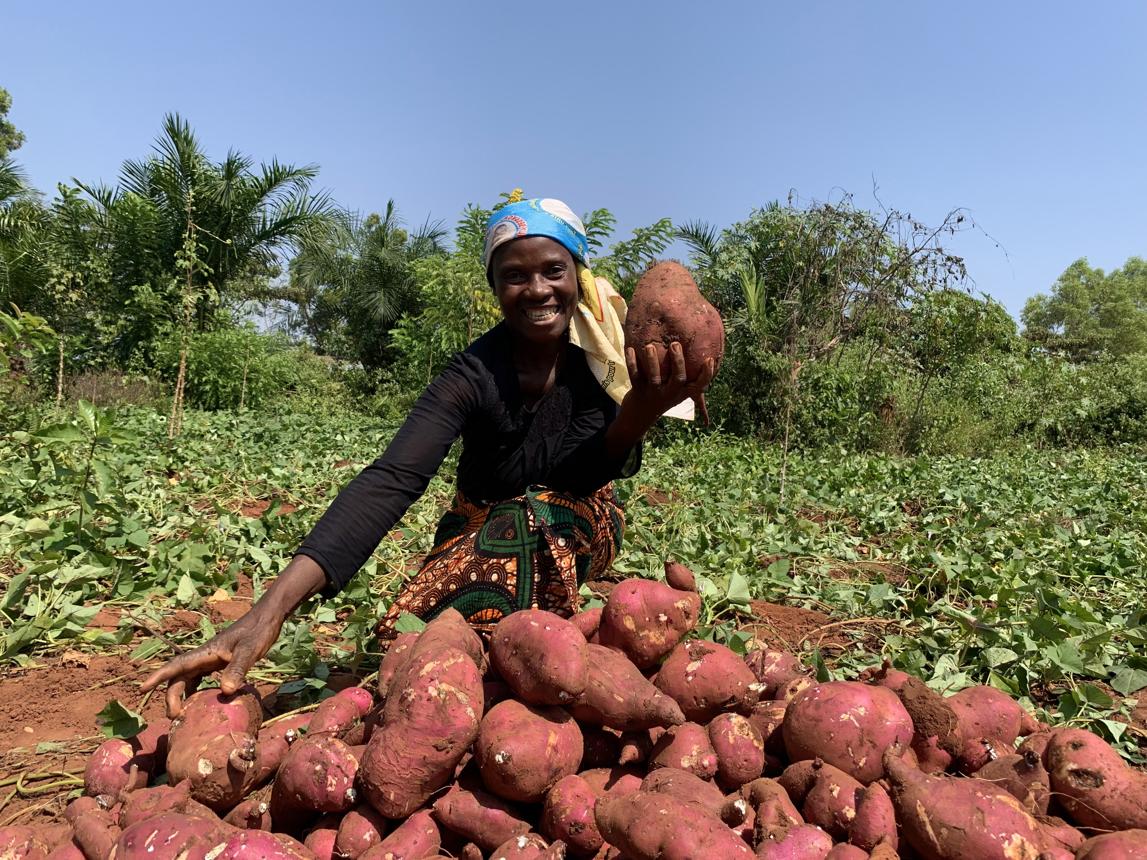
From Traditional Crops to Practical Nutrition In many African communities, traditional crops already form part of everyday diets. The challenge is to make nutritious foods accessible, affordable and appealing throughout the year. Millet and sorghum can be used in porridges, flour blends and other foods. Cowpeas and beans provide plant protein and can be combined with cereals to increase dietary variety. Groundnuts contribute energy, fats and protein, while leafy vegetables can add important micronutrients. Orange-fleshed sweet potato varieties are notable for their beta-carotene content, which the body can convert into vitamin A. The benefits depend on the specific crop variety, portion size, food preparation and the rest of the diet. Food safety also matters. For example, groundnuts must be handled and stored properly to reduce the risk of contamination by aflatoxins, toxins produced by certain moulds. Nutrition education can help households understand how to combine available foods. At the same time, farmers and businesses need markets that reward the production, handling and sale of nutritious crops.
Creating Commercial Opportunities Around Local Foods Demand for convenient and affordable foods can create opportunities for small processors, millers, retailers and entrepreneurs. Properly processed millet flour, bean products, dried vegetables and other traditional foods may serve households, schools, restaurants and institutional buyers where there is sufficient demand. However, commercialisation requires attention to product consistency, shelf life, food hygiene, packaging and consumer preferences. A nutritious product will not automatically succeed if it is too expensive, difficult to prepare or unavailable when customers need it. Farmers can also benefit when buyers communicate their quality requirements and purchase plans clearly. Organised production, improved storage and better links with processors can help businesses maintain supplies beyond the immediate harvest period. Women and young entrepreneurs may find opportunities in food processing, local retailing and the development of products based on familiar crops. Access to training, finance, equipment and reliable markets can help these businesses grow.
Connecting Agriculture Policy with Nutrition Agricultural programmes can contribute to nutrition by supporting a wider range of food crops, improving access to quality seed and strengthening local food markets. School meal programmes and public food procurement may also create demand for diverse locally produced foods when purchasing arrangements are designed to meet nutritional, safety and cost requirements. Such efforts need coordination between agriculture, health, education, trade and research institutions. Nutrition challenges cannot be solved through crop production alone, particularly where poverty, poor sanitation, limited health services and inadequate access to diverse foods also affect outcomes.
Protecting Diversity for Future Generations Africa’s traditional crops represent more than agricultural heritage. They are part of the continent’s potential to build food systems that support livelihoods, dietary diversity and resilience. Preserving useful varieties, supporting farmers who grow them and developing viable markets can help ensure that these crops remain available to future generations. The aim is not simply to grow more types of food, but to create systems in which nutritious foods are accessible to consumers and commercially worthwhile for producers.