
Farm & Livestock News Africa
Independent Agriculture Reporting
FEATURED STORY
Zambia raised its maize floor price to K347/50kg off a record 5.1M-tonne harvest. Malawi's ADMARC is meanwhile selling maize at wildly inconsistent prices. Here's why.
crop_production
agribusiness
Sponsored
Stay updated with the latest in agriculture and livestock
After nine successful editions that have brought together farmers, agribusiness leaders, investors, policymakers, and innovators from across the globe, the Africa Agri Expo is back for its milestone 10th Jubilee edition — and this year, it promises to be the most significant gathering yet. Held in Dar-es-Salaam, Tanzania, on 2nd and 3rd September 2026, the event co-locates with the 3rd Future Food Livestock & Poultry Expo to form an unparalleled convergence of agri-trade, innovation, and investment spanning the entire food and agriculture value chain. This is not a regional event with regional ambitions. It is a global platform anchored in the world’s most exciting agricultural frontier — and it is coming at exactly the right moment.
Staff Writer • Jun 18, 2026
technology_innovation
The adoption of farm management software is growing across the agricultural sector, with digital platforms increasingly promoted as tools for improving efficiency, record-keeping, and decision-making. However, industry experts caution that technology alone cannot solve operational challenges if farmers lack reliable data and consistent management systems.
Staff Writer • Jun 11, 2026
Agricultural experts are encouraging farmers to focus on early pest detection rather than relying solely on chemical treatments, warning that delayed responses often result in significant yield losses and higher production costs.
nutrition
Livestock experts say disease outbreaks on farms are often the result of management weaknesses rather than sudden attacks from pathogens. While many farmers view disease as an external threat, agricultural specialists argue that poor nutrition, inadequate hygiene, overcrowding, stress, and delayed detection are the primary factors that create conditions for illness to spread.
livestock_farming
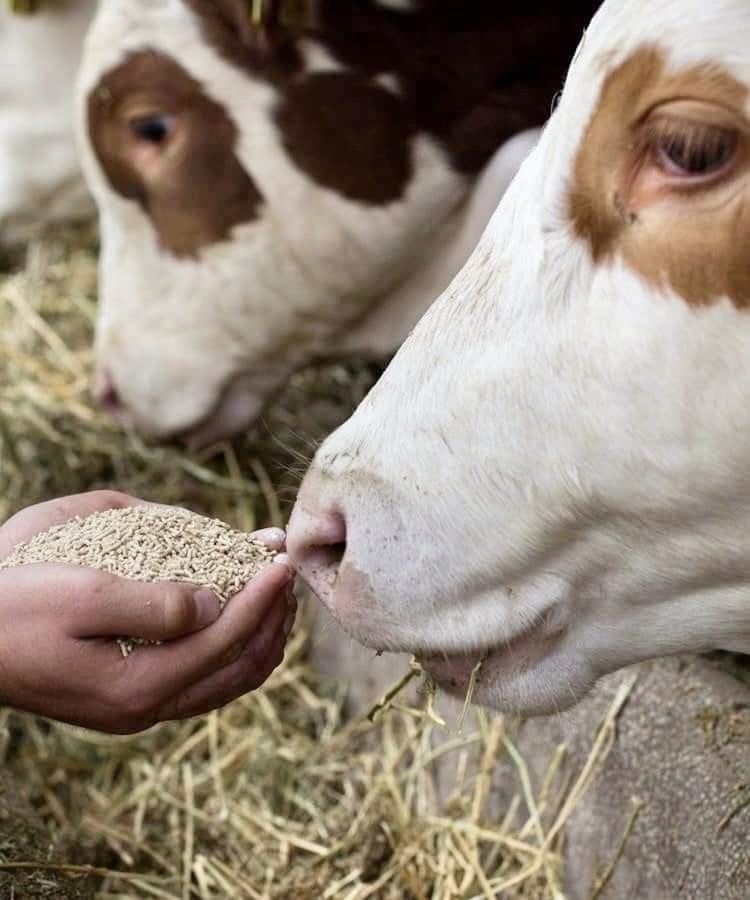
Cattle fattening is often associated with increasing the weight of animals before sale, but successful fattening is fundamentally a value-creation process. The objective is not simply to produce heavier cattle, but to convert feed, time and animal potential into higher-value meat as efficiently as possible. Profitability is determined less by the size of the animal and more by the cost and efficiency of achieving that growth.
Declining crop yields are often blamed on fertilizer costs, poor rainfall or seed quality, yet in many cases the underlying problem lies beneath the surface. Continuous cultivation of the same crop on the same land gradually weakens the biological balance of the soil, leading to reduced productivity over time. What many farmers describe as “tired land” is frequently the result of long-term soil stress caused by inadequate crop rotation practices.
Agriculture across Africa is entering a new era in which decisions are increasingly guided by data rather than observation alone. For generations, farmers have relied on experience, seasonal patterns and visual crop assessments to make production decisions. Today, Artificial Intelligence (AI) is adding a new layer of precision by analysing soil conditions, weather patterns, crop health and market information in real time. Rather than replacing traditional farming knowledge, AI enhances it by helping farmers make more informed and timely decisions.
Over the past few years, technological advancement has become a major driving force behind agricultural development. Across Africa, many countries have continued investing in modern farming technologies to improve productivity, food security, and efficiency in the sector. Among the countries making notable progress in agricultural technology development is Zambia.
Madalitso Tembo • Jun 9, 2026
Livestock farming continues to be one of the most important economic activities across Africa, supporting millions of people through poultry production, cattle rearing, goat farming, milk production, and meat distribution.
equipment_mechanisation
Kenya’s agricultural sector is undergoing a significant transformation as modern technology continues to reshape farming and livestock production. With agriculture remaining a key contributor to the country’s economy, the government and private sector are investing heavily in innovative solutions aimed at increasing productivity, improving food security, and enhancing farmers’ incomes.
From saving lives as a nurse in Australia to transforming Zambia’s agriculture sector, Maria Zileni Zaloumis has become one of the country’s most inspiring young commercial farmers.
Ian Mweene • Jun 5, 2026
Madalitso Tembo • Jun 5, 2026
The Gambia, mainland Africa’s smallest nation, is advancing an ambitious agricultural mechanization agenda aimed at transforming food production, improving rice self-sufficiency, and reducing the heavy labour burden on rural women, who form the backbone of the country’s farming workforce.
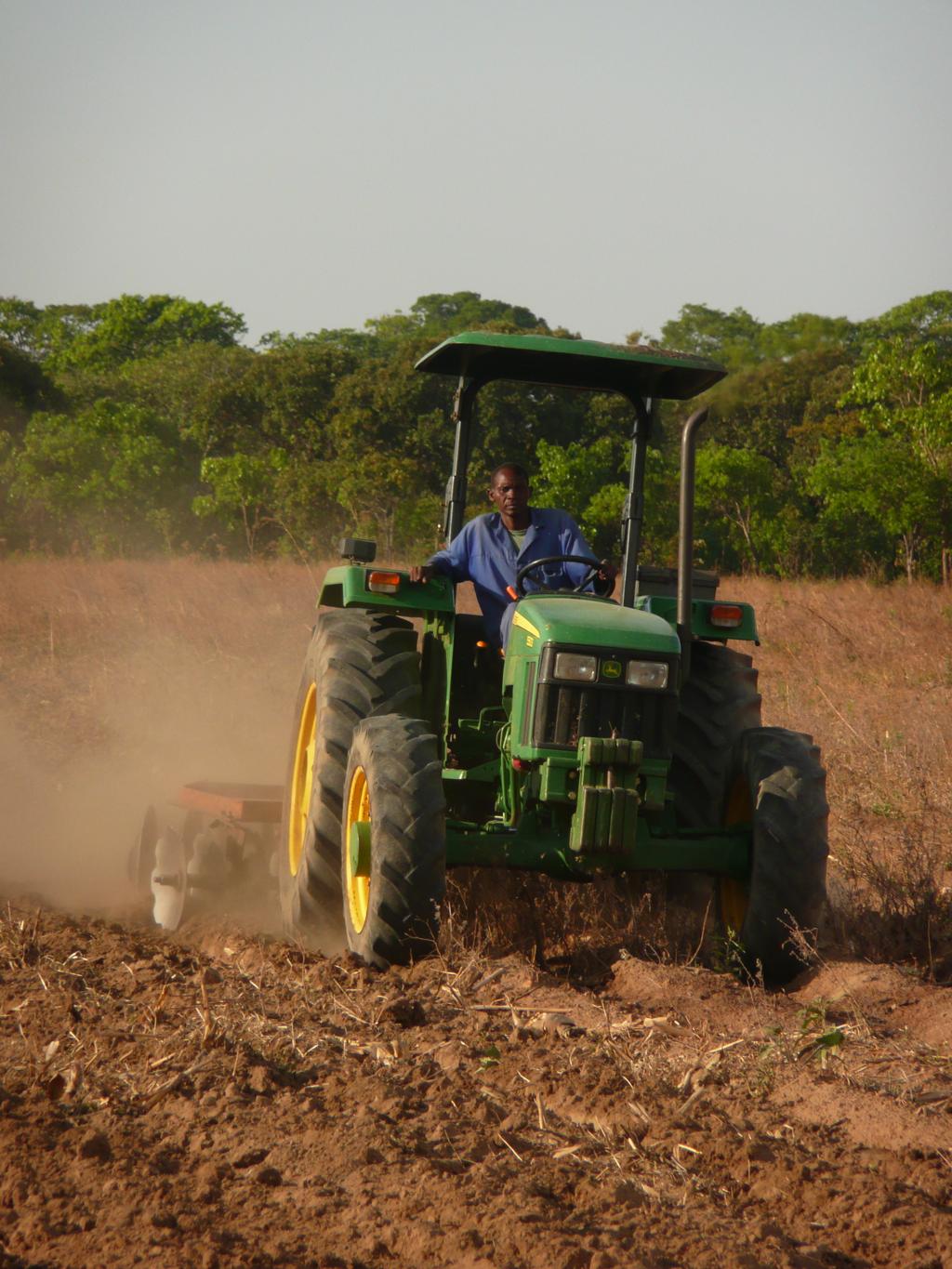
Across Angola, agriculture is undergoing a gradual but significant transformation as farmers increasingly adopt modern machinery to improve productivity and ease the burden of manual labour. From tractors and irrigation systems to livestock feeding equipment, mechanization is reshaping how food is produced, processed, and managed in rural communities.
Estela Mukuka • Jun 5, 2026
For decades, agriculture in Chad has been defined by manual labour, low productivity and limited access to modern farming equipment. Despite agriculture employing the majority of the country’s workforce, mechanization levels remain among the lowest in Africa, with tractor ownership estimated at just 0.5 percent.