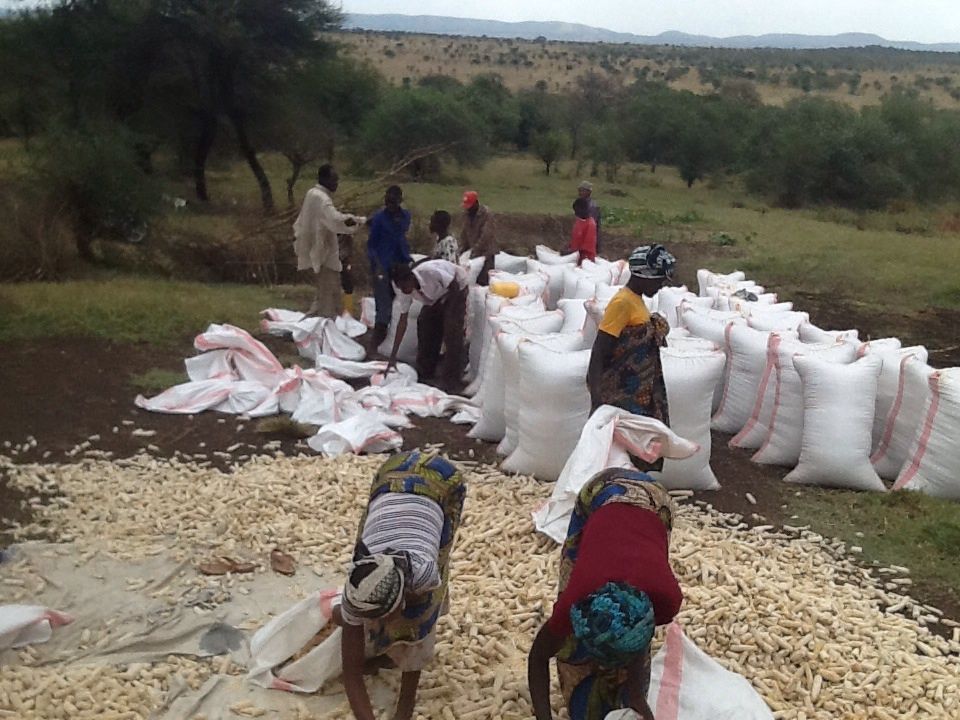
It cannot be seen, smelled or tasted, yet it may be one of the biggest hidden threats to food safety and child nutrition across Africa. Aflatoxin — a toxic compound produced by the fungi Aspergillus flavus and Aspergillus parasiticus — contaminates maize and groundnuts at both the pre-harvest and post-harvest stages, and is classified as carcinogenic, mutagenic and capable of causing developmental harm, with particularly severe consequences for young children's growth and immune function.
The problem is most acute in regions with tropical climates and recurrent drought stress, conditions that favour fungal growth in standing crops and stored grain alike. Because maize and groundnuts are dietary staples across much of sub-Saharan Africa, aflatoxin exposure represents both a direct public health risk and a persistent barrier to export trade, since most international buyers enforce strict contamination limits that many African-grown batches struggle to consistently meet.
A biological fix for a biological problem
Rather than relying solely on post-harvest testing and rejection — an approach that identifies contaminated batches only after the damage is done — researchers across West Africa have spent recent years scaling up biocontrol products that tackle aflatoxin at its source in the field. The approach uses atoxigenic strains of Aspergillus flavus — naturally occurring but non-toxin-producing variants of the same fungus — applied to fields before harvest, where they outcompete the toxin-producing strains for the same ecological niche.
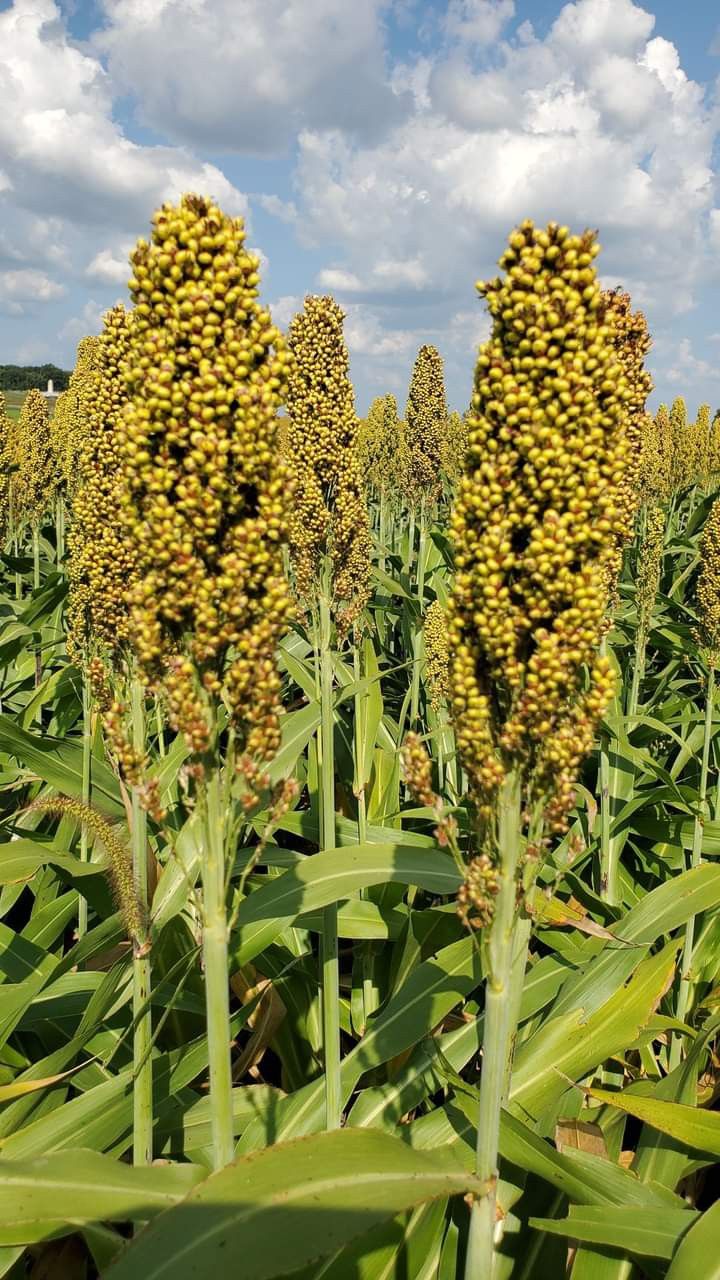
A multi-country study spanning farmers' fields in Burkina Faso, Mali, Niger and Togo, led by researchers from national agricultural research institutes alongside the International Institute of Tropical Agriculture and the US Department of Agriculture, has tracked the real-world performance of these commercial biocontrol products across maize, groundnut and sorghum crops — moving the technology from controlled research trials into the messier, more variable conditions of actual smallholder farming.
Why this matters beyond the lab
Sponsored
The stakes extend well past individual field trials. Aflatoxin has been shown to reduce the bioavailability of vitamin A, iron and zinc — meaning contaminated grain doesn't just carry direct toxicity risk, it can actively undermine the effectiveness of the biofortification and food fortification programmes many African governments are simultaneously investing in to fight micronutrient deficiencies. A biofortified, vitamin A-enriched maize variety loses much of its nutritional value if the same grain is also contaminated with aflatoxin — making contamination control a precondition for other nutrition interventions to actually work as intended.
Trade implications compound the health case. Countries have set varying acceptable aflatoxin limits for groundnut and maize products, and persistent contamination has repeatedly closed export doors or triggered costly batch rejections for African producers trying to access premium international markets, particularly in the European Union, which enforces some of the world's strictest aflatoxin thresholds.
Detection is getting faster too
Alongside biocontrol, researchers are working to solve the detection bottleneck that has historically slowed response to contamination. Standard laboratory methods such as ELISA and high-performance liquid chromatography remain accurate but require equipment and expertise not widely available at village or even district level. The push toward rapid, low-cost, field-deployable testing tools is running in parallel with the biocontrol rollout, aiming to give traders, processors and even individual farmers a faster way to screen grain before it enters the food chain or export pipeline.
The road ahead
Aflatoxin control will likely never be a single-technology solution — biocontrol products, improved drying and storage practices, and better detection tools each address different points in the chain from field to plate. But the multi-country biocontrol trials now running across the Sahel represent one of the more concrete, farm-level interventions available to African producers today, tackling a contamination problem that has quietly undermined both public health and export competitiveness for decades.