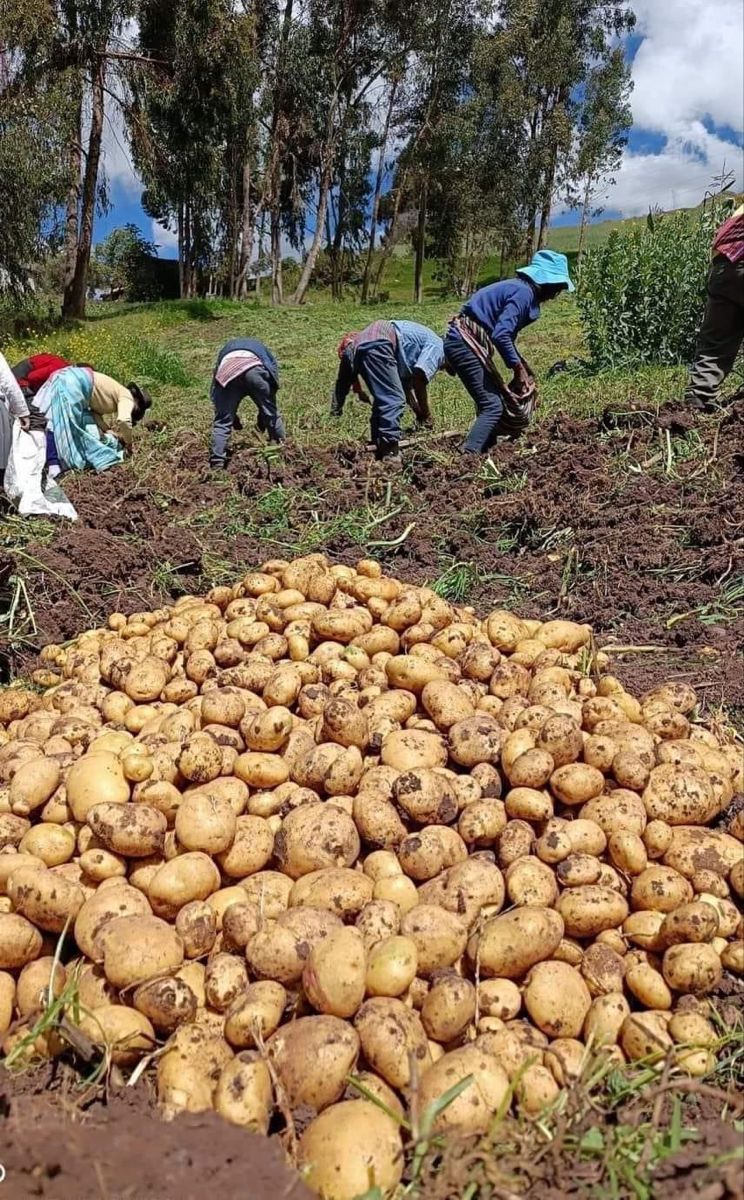
More than 10.3 million smallholder farm households across Africa — some 51.7 million people — are now growing biofortified crops bred specifically to deliver more vitamins and minerals through the food people already eat, according to figures presented at an African Union review of the continent's food fortification progress. It's a quiet but consequential shift in how Africa is tackling malnutrition: rather than relying solely on supplements or industrially fortified processed foods, plant breeders are engineering the extra nutrition directly into staple crops at the growing stage.
The Scale of the Problem
Micronutrient deficiencies, sometimes called "hidden hunger," affect an estimated 2 billion people worldwide, with a large concentration across Africa and Asia — many of them in rural areas with limited access to either fortified foods or supplementation. In 2024, roughly 32 percent of households globally couldn't afford a diversified diet, and 67 percent of those households were located in Africa, according to Jan Low, the World Food Prize laureate who helped pioneer the biofortification movement more than two decades ago alongside fellow researchers Maria Andrade, Robert Mwanga, and Howarth Bouis.
Nigeria's Grassroots Innovators
Some of the most tangible progress is happening at the entrepreneurial level in West Africa. Cynthia Adams, working in Nigeria, partners with 150 rural women farmers to grow vitamin A biofortified maize, processing it into flour, cereals, and snacks aimed at fighting malnutrition among children and adults. Her work was recognised among the winners of the 2025 Food Fortification Innovation Challenge, a competition run by the Global Alliance for Improved Nutrition specifically to surface practical, locally-rooted solutions to West Africa's fortification gaps.
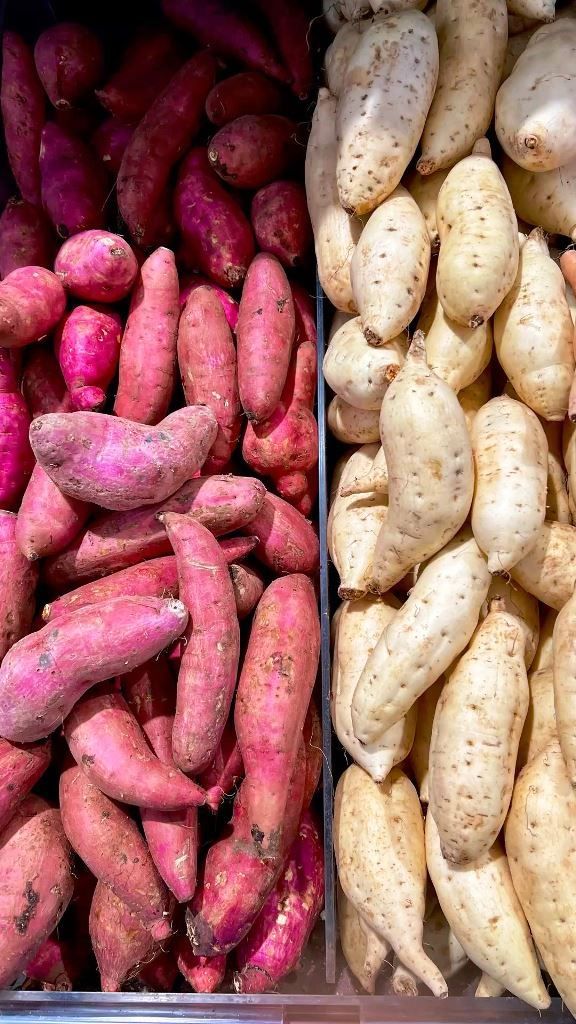
Other winning entrepreneurs from the same challenge illustrate just how varied biofortification approaches have become. One innovator built a multilingual e-learning platform training farmers to adopt biofortified crop varieties, making the technology itself more accessible and youth-friendly. Another integrated orange-fleshed sweet potatoes — rich in beta-carotene, a precursor to vitamin A — directly into school meal programmes to fight vitamin A deficiency among children and women. A third fortifies leafy vegetables with iodized salt to address iodine deficiency while simultaneously adding market value to otherwise highly perishable produce, and a fourth enriches tomato purée, a staple household ingredient across much of West Africa, with added vitamin A.
Sponsored
Why Nigeria Is Becoming a Model
Beyond individual entrepreneurs, Nigeria has emerged as something of a continental reference point for how biofortification can scale beyond research trials into functioning farm-to-table value chains. HarvestPlus CEO Arun Baral has pointed to Nigeria's approach as a model precisely because it goes beyond distributing biofortified seeds to farmers — building out the market-based value chains needed to actually get nutritious food onto people's plates while still benefiting the farmers and processors along the way. Baral has been clear that biofortification isn't intended as a standalone fix for hidden hunger, but rather one tool among several — alongside dietary diversity promotion, nutrition education, conventional food fortification, and supplementation — needed to meaningfully close Africa's micronutrient gap.
The Regional Fortification Picture Remains Uneven
Beyond crop-level biofortification, large-scale fortification of everyday processed staples — wheat and maize flour, edible cooking oils, and sugar — has made uneven progress across East, Central, and Southern Africa, according to a recent review published through the East, Central and Southern Africa Health Community and the Southern African Development Community. Researchers point to gaps in coverage, program quality, and impact data, tracing much of the shortfall back to limited private-sector incentives for fortification, weak consumer demand for fortified products, and continuing challenges in aggregating biofortified crops at the scale needed for reliable market supply.
South African research specifically has found that orange-fleshed sweet potatoes and provitamin A biofortified maize show notably higher acceptability among children than adults — a finding researchers say strengthens the case for integrating biofortified foods directly into school feeding programmes, where a majority of daily consumption decisions for children are already being made centrally rather than left to individual household purchasing choices.
What's Driving Renewed Urgency
The African Union formally endorsed a continental Declaration on Scaling-Up Food Fortification and Biofortification back in 2021, and stakeholders across the AU Commission, regional economic communities, national food security agencies, and CGIAR research centres have continued pushing to accelerate its implementation, including through knowledge-sharing events like a recent field visit to the Zambia National Agriculture Seed Fair. With the world's population expected to reach 9 billion by 2050, the pressure on Africa to simultaneously increase agricultural output and improve the nutritional quality of what's actually grown is only intensifying — and biofortification, entrepreneurs like Cynthia Adams and her fellow West African innovators are betting, is one of the more scalable ways to make sure those two goals reinforce each other rather than compete.