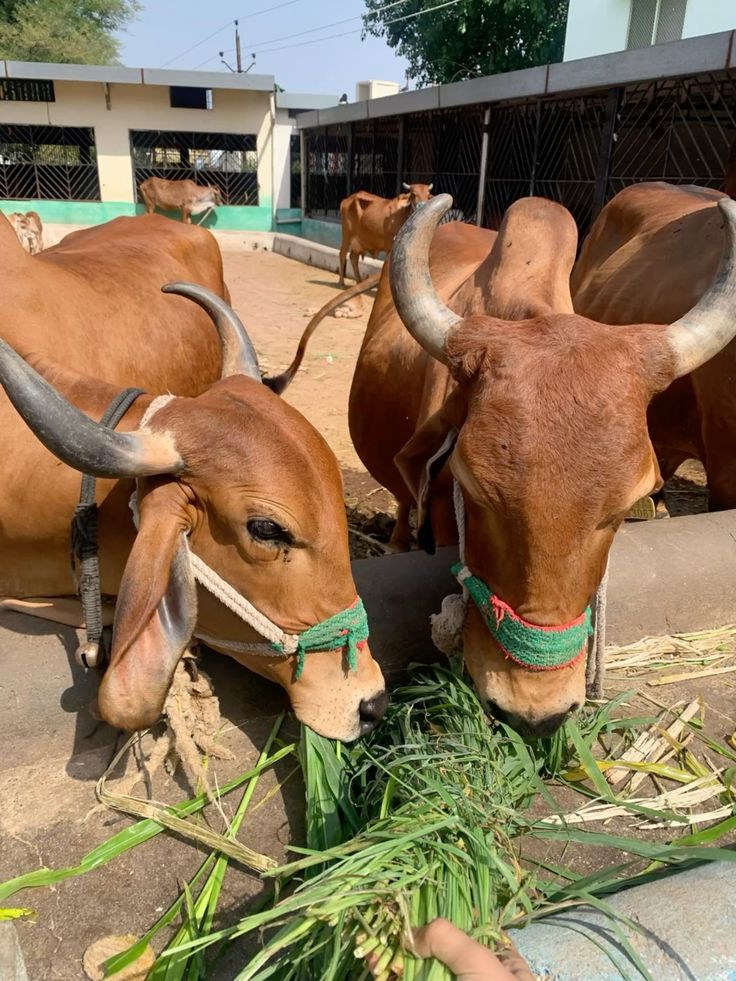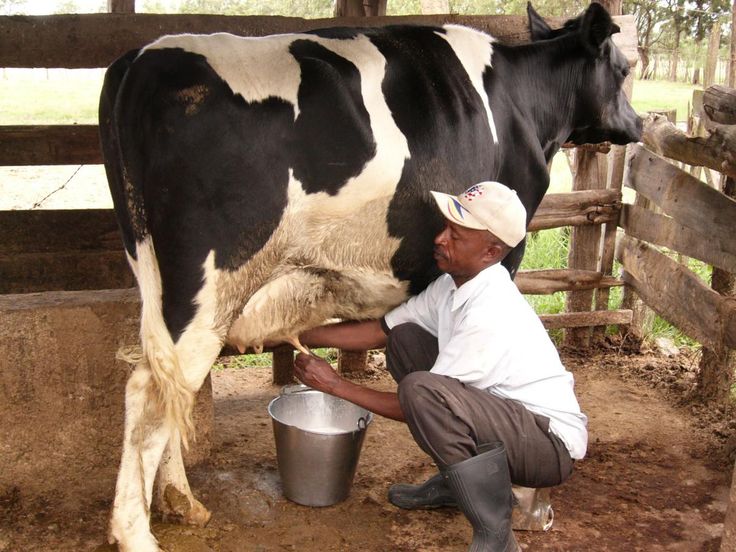
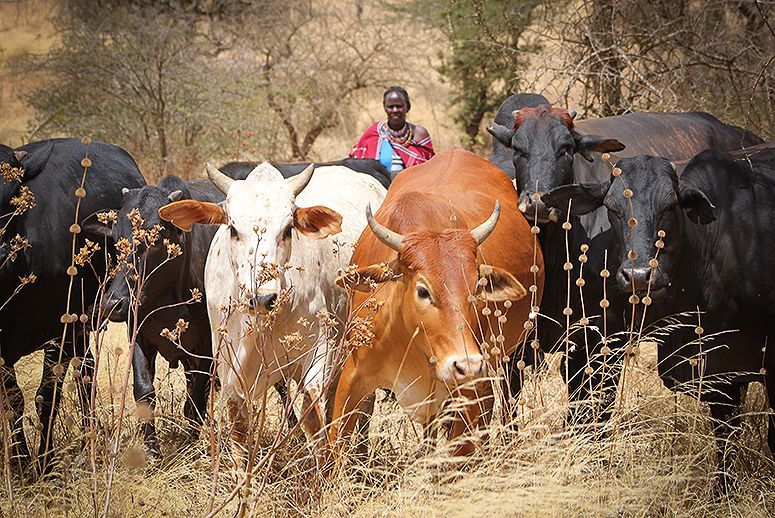
For pastoralist communities across the Horn of Africa, drought has traditionally meant one brutal, binary outcome: herds survive, or they don't. Losing a herd to failed rains doesn't just wipe out an asset — it erases savings, collateral and the entire economic foundation of a household in a single dry season. Index-based livestock insurance (IBLI) was designed to break that binary by paying out before animals start dying, not after.
The concept, pioneered in northern Kenya and southern Ethiopia and refined over more than a decade by researchers including the International Livestock Research Institute and partner universities, works differently from conventional insurance. Rather than requiring a herder to prove individual animals have died — an almost impossible task across the vast, remote rangelands where pastoralists graze their livestock — IBLI uses satellite-derived vegetation data to estimate forage availability across a given area. When vegetation indices drop below a threshold strongly correlated with historical livestock mortality, payouts are triggered automatically for everyone insured in that zone, regardless of whether they can document individual animal losses.
Why the index model fits pastoral realities
Conventional livestock insurance has struggled to gain traction across pastoral Africa for a simple reason: verifying individual claims is prohibitively expensive and logistically difficult across the scattered, mobile herding systems that define the region. Sending assessors to confirm cause of death for scattered cattle, camels and goats across hundreds of kilometres of rangeland made traditional indemnity insurance commercially unworkable for insurers and practically useless for herders who needed fast payouts, not months of investigation.
By tying payouts to an objective, remotely sensed proxy for forage conditions, index insurance sidesteps that verification problem entirely. Payments can reach herders' mobile money accounts within weeks of a drought threshold being crossed — often before animals have begun dying in large numbers, giving households cash to buy supplementary feed, move herds, or destock strategically rather than watching their asset base collapse.
Sponsored
The trade-off: basis risk
The model isn't without its limitations. Because payouts are based on an area-wide vegetation index rather than an individual herder's actual losses, there's always a possibility of "basis risk" — a herder whose specific herd suffered losses not receiving a payout because the broader zone's vegetation index didn't cross the trigger threshold, or conversely, a herder collecting a payout despite relatively minor personal losses. Refining the granularity of the satellite data and the zones used for pricing has been an ongoing technical challenge for insurers and researchers working to make the product fairer and more precise.
Uptake has also been slower than early pilots hoped, with premium affordability, herder unfamiliarity with formal insurance products, and distribution challenges across remote areas all limiting scale. Governments and development partners in Kenya and Ethiopia have responded with premium subsidy schemes intended to build a track record of reliable payouts and demonstrate the product's value before asking herders to pay full commercial rates.
Why it matters for the region's food security
The economic logic behind scaling index insurance goes beyond individual household protection. Pastoral livestock systems supply a significant share of meat and milk consumed across East Africa, and repeated drought-driven herd collapses have historically triggered humanitarian emergencies requiring costly, reactive aid response. Insurance that pays out ahead of a full-blown crisis — enabling herders to protect a smaller, healthier surviving herd rather than losing everything — is increasingly framed by researchers and donors as a genuinely proactive alternative to emergency relief spending after the fact.
As satellite data, mobile payment infrastructure and premium subsidy models continue to mature, index-based livestock insurance stands as one of the more concrete examples of how remote-sensing technology is being adapted specifically for the realities of African pastoral economies — protecting a livelihood system that conventional financial products were never built to serve.