An average African dairy cow produces just 6 percent of the annual milk yield of a cow in an OECD country, according to figures presented by the International Livestock Research Institute (ILRI) at the Africa Food Systems Forum, which marked its twentieth anniversary meeting in Kigali this year under the theme "Investing in Africa's Agri-Food Systems." It is one of the starkest productivity gaps in global agriculture — and increasingly, researchers argue, one of the continent's biggest untapped livestock opportunities.
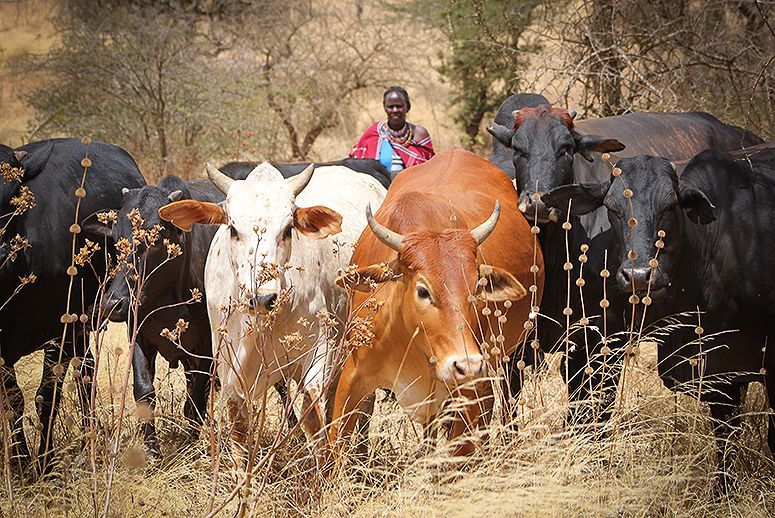
The gap isn't primarily about herd size. Africa already keeps large numbers of cattle, and livestock support an estimated 1.3 billion livelihoods worldwide, contributing up to 40 percent of agricultural GDP across the continent's farming economies. The shortfall is almost entirely about productivity per animal — how much milk, meat or eggs each cow, goat or chicken produces relative to the feed, land and labour invested in keeping it.
What's driving the gap — and what's closing it
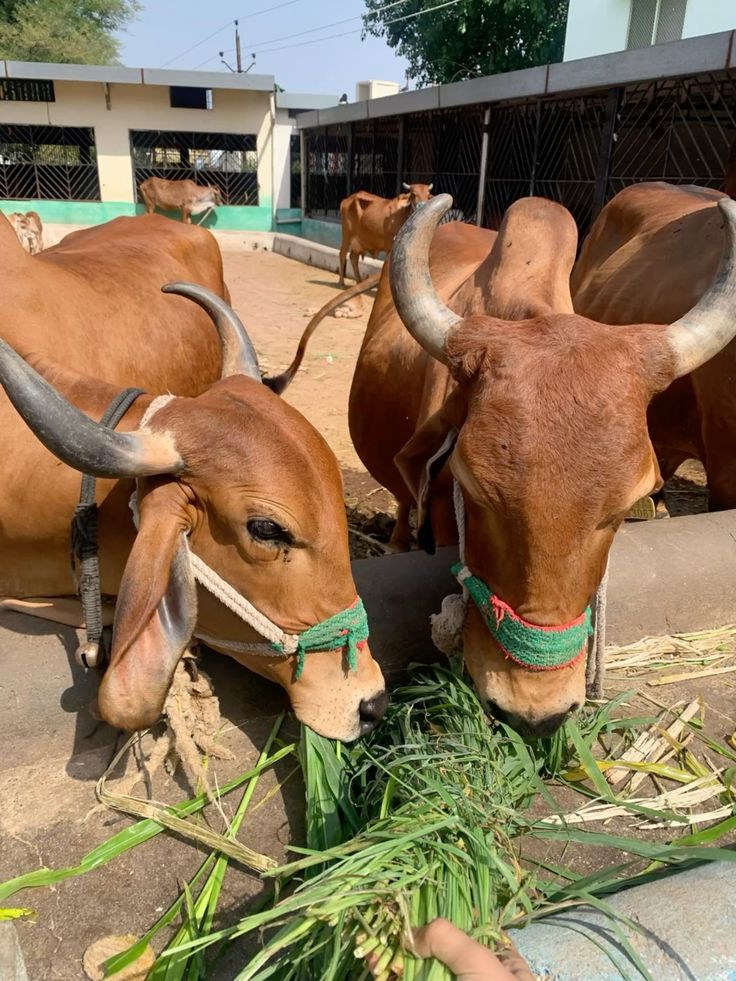
Three factors dominate the productivity conversation: genetics, feed and animal health. Many African dairy herds are built around breeds selected for hardiness and disease resistance in harsh conditions rather than milk output, and access to improved genetics, whether through artificial insemination or crossbreeding programmes, has historically been limited for smallholders.
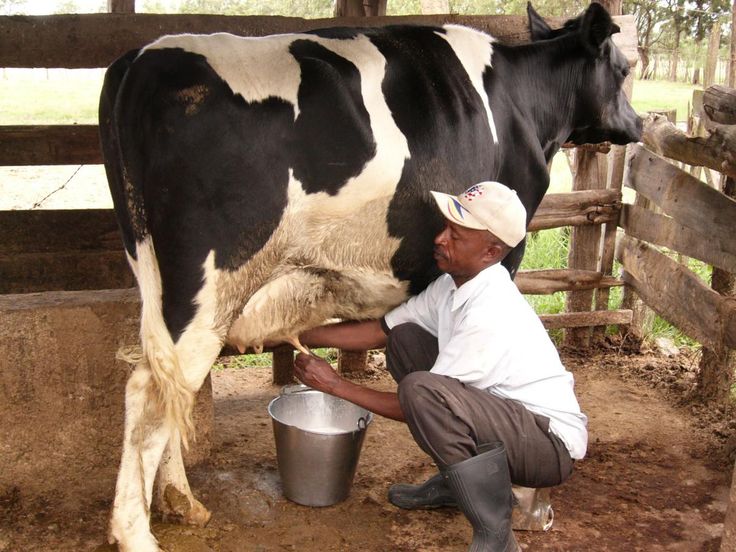
ILRI's own dairy genetics work illustrates what's possible when that barrier is addressed directly: the institute reports its genetic improvement programmes have lifted milk yields by 30 to 50 percent for more than 250,000 farmers across Africa and Asia, without requiring farmers to expand their herds — simply getting more output from the animals they already keep.
Feed is the other major lever. Programmes that convert agricultural byproducts, such as cassava peel waste, into formulated livestock feed have cut costs for farmers while creating new small-business opportunities around feed processing. Combined with fodder trees and shrubs that fix nitrogen in the soil and provide nutritious leaves for grazing animals, these interventions raise productivity without demanding capital-intensive infrastructure most smallholders simply don't have.
Sponsored
Why closing the gap matters beyond the farm
The stakes go well past individual farm incomes. Because production has consistently failed to keep pace with consumption, Africa is projected to become an increasingly large net importer of animal-sourced foods in the coming decades — the Malabo Montpellier Panel has estimated that by 2050, without significant investment, up to one-fifth of the beef, pork, poultry and milk consumed on the continent could come from elsewhere.
That trajectory represents both a food security risk and a missed economic opportunity. Every litre of milk or kilogram of meat produced more efficiently from existing herds means lower emissions per unit of output, more household income without the land and grazing pressure that comes with expanding herd sizes, and less foreign exchange spent importing animal protein that could be produced domestically.
A sector still waiting for its investment moment
Despite the scale of the opportunity — Africa's dairy market alone is projected to cross $75 billion by 2030 — livestock remains chronically underfunded relative to crop agriculture in most national investment plans and development finance portfolios. Analysts point to the same barriers repeated across the continent: limited access to finance for smallholder dairy and poultry producers, patchy veterinary and extension services, and infrastructure gaps in cold chain and processing that mean even productivity gains on the farm can be lost between the farm gate and the market.
For now, the productivity story is the encouraging half of the picture: proof, in the form of ILRI's 250,000-farmer genetics programme and similar interventions, that the gap between African and OECD livestock yields is not fixed by geography or breed alone. Closing it further will depend on how much of the continent's growing agricultural investment appetite is willing to follow the evidence into the barns and pastures where most of Africa's food is still produced.