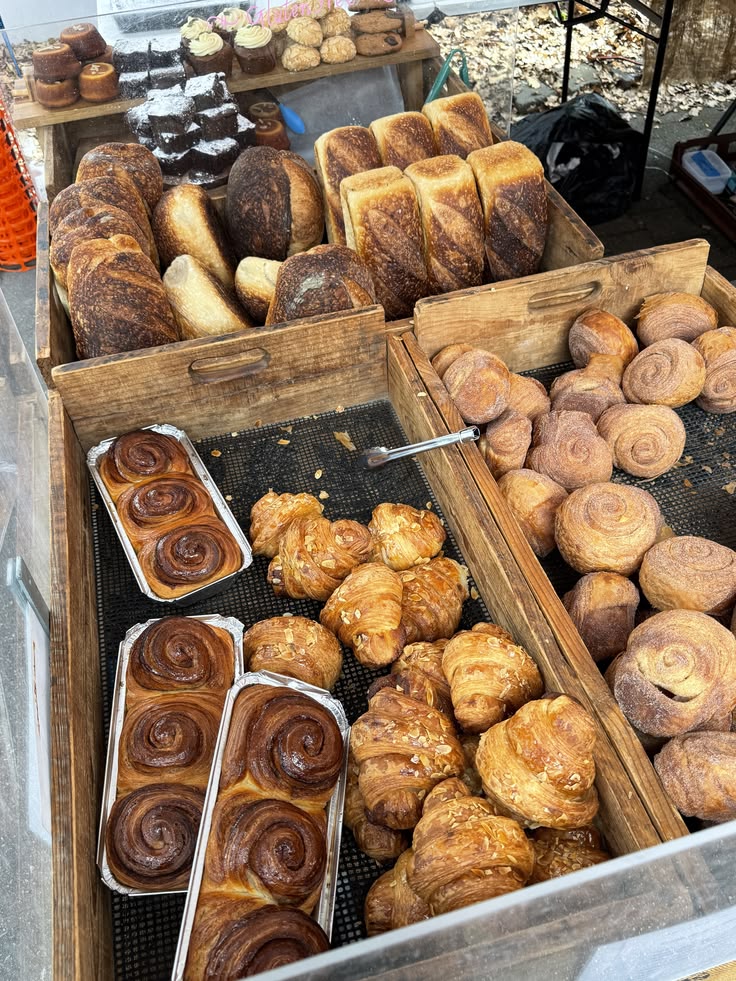
Inside a growing number of bakeries across African cities, wheat is losing ground on the shelf. Loaves, cakes and pastries made from cassava, millet and sorghum flour are showing up alongside — and in some cases replacing — conventional wheat products, as changing consumer diets create fresh commercial demand for crops that have been staples for generations but rarely commanded premium prices.
The shift reflects two forces converging at once: a global appetite for gluten-free and "ancient grain" products, and a homegrown push by African governments, researchers and food entrepreneurs to reduce heavy reliance on imported wheat, much of which is shipped in from Russia, Ukraine and other distant suppliers exposed to price shocks and shipping disruptions.
From subsistence crop to specialty ingredient
Cassava processing into gluten-free flour is now well established in West and Central Africa, where the root crop has long been a food-security staple grown by millions of smallholders largely for home consumption or local markets. What's new is the emergence of formal processing operations turning cassava into standardised, packaged flour that can be sold into bakeries, supermarkets and even export markets targeting the global gluten-free segment — a category valued in the billions of dollars worldwide.
Sorghum and millet are following a similar trajectory in Eastern and Southern Africa, moving beyond traditional porridges and local brews into specialty bakery products, snack foods and breakfast cereals aimed at urban, health-conscious consumers willing to pay a premium for indigenous grains marketed around their nutritional profile — generally higher in fibre, iron and certain micronutrients than refined wheat flour.
Why this matters commercially
Sponsored
For decades, the economics of these crops worked against farmers: cassava, sorghum and millet were seen as low-value, low-status "poor people's food," grown mainly for subsistence with little organised commercial market or price premium. The emergence of a formal, branded, higher-margin market for these same crops — as flour, snacks or bakery inputs — creates a genuine incentive for smallholders to treat them as cash crops worth investing in, rather than fallback options.
The global cassava processing market alone is now estimated at more than $5 billion, and analysts tracking the sector point to bio-control agents, improved seed varieties and AfCFTA-enabled regional trade as additional tailwinds making it easier for processors to source consistent volumes and move finished products across borders.
The obstacles that remain
Turning a smallholder staple into a reliable commercial ingredient is not simple. Cassava, sorghum and millet all face postharvest handling challenges — cassava roots spoil within days of harvest unless processed quickly, while achieving the flour consistency, shelf life and gluten-free purity standards required by formal retail and export markets demands investment in processing equipment that many smallholder cooperatives cannot yet afford on their own.
Price also remains a genuine barrier to mainstream adoption: specialty gluten-free products made from these flours often cost more than conventional wheat bread, limiting their reach mostly to higher-income urban consumers for now, even as the underlying crops remain dietary staples for the rural poor.
Where the trend goes from here
If current momentum holds, the crops that fed African households for centuries stand to become some of the continent's more interesting agribusiness growth stories — not because production volumes are new, but because the market finally exists to pay farmers a premium for growing them well. For governments trying to cut wheat import bills and for entrepreneurs chasing the global gluten-free wave, indigenous grains offer a rare alignment of food security, nutrition and commercial opportunity in a single crop basket.