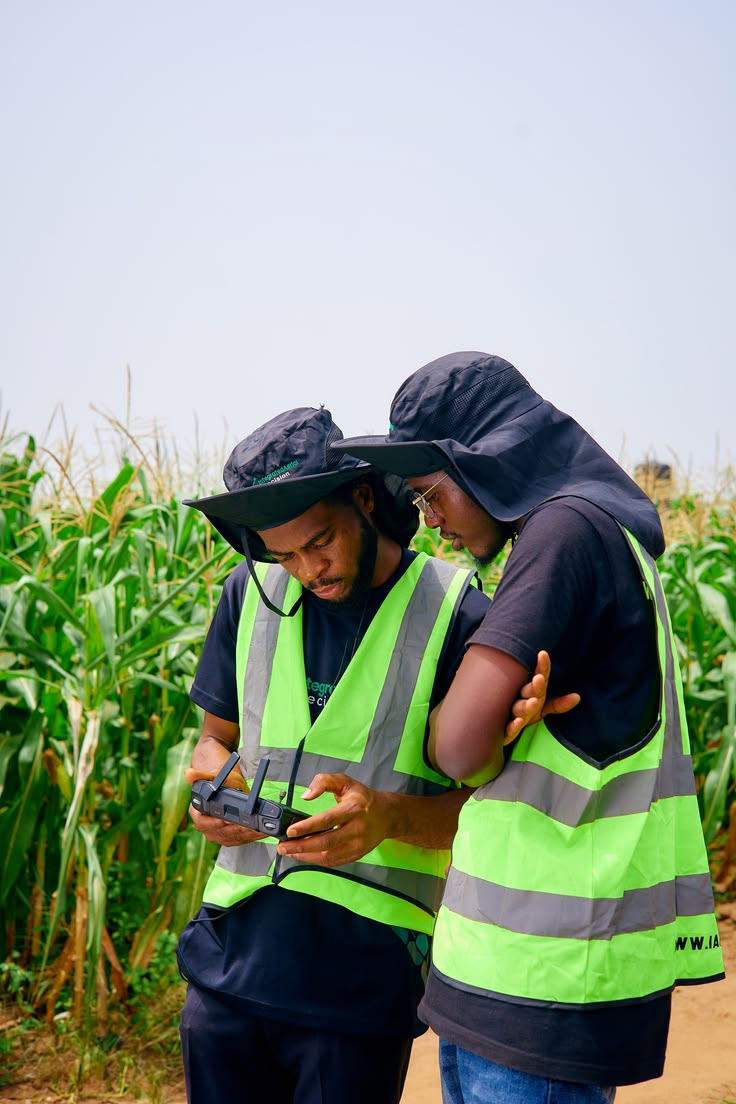
South African agritech company Aerobotics now monitors more than 50 million individual trees across 18 countries using drone-captured imagery and artificial intelligence, tracking everything from pest infestations to irrigation stress on a tree-by-tree basis for fruit farmers who, a decade ago, would have relied entirely on manual scouting and guesswork. It's one of the clearest signs that precision agriculture — long dismissed as a technology suited only to large, capital-rich farms in North America and Europe — has found genuine commercial traction across African farming.
The shift is showing up in the numbers. Studies cited by agricultural researchers suggest precision farming techniques, from satellite crop monitoring to AI-driven soil analysis, can raise yields by up to 30 percent while cutting input costs by 20 to 30 percent in developing-country contexts — gains large enough to justify the technology's spread well beyond the largest commercial operations.
Water, not just data, is the other half of the story
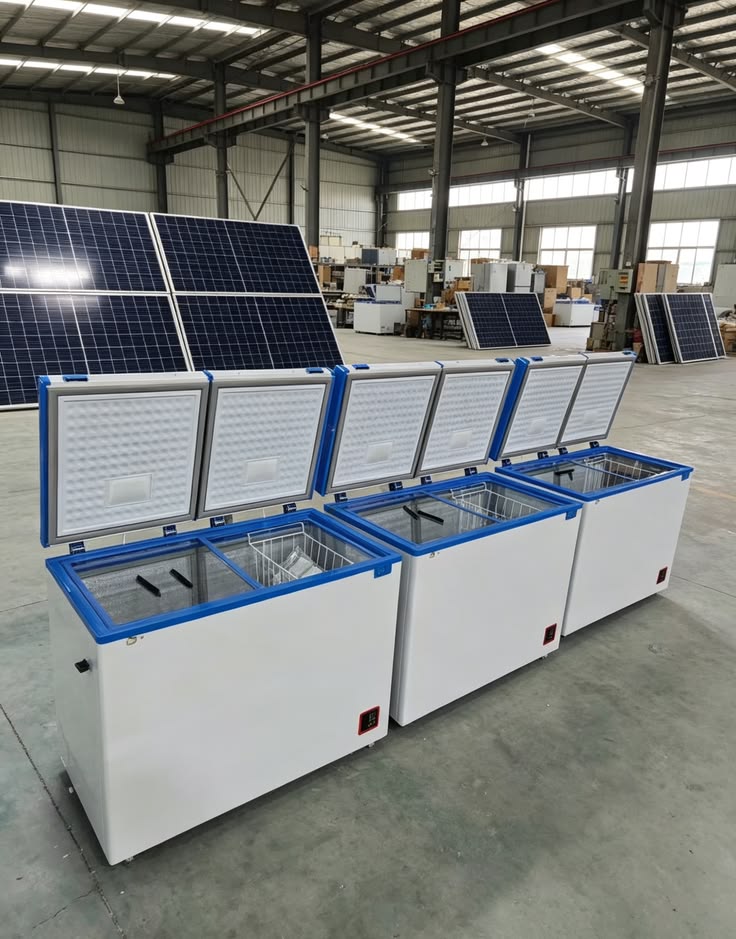
While drone-based crop monitoring has captured headlines, water access remains the more fundamental constraint for most African farmers, and that's where companies like Kenya's SunCulture have built their business. SunCulture pairs solar-powered irrigation pumps with smart soil sensors, giving smallholders who previously depended entirely on rainfall a way to irrigate fields without diesel fuel costs or grid electricity access — both frequently unavailable or unreliable in rural farming areas.
The pairing of solar power and irrigation matters commercially as much as agronomically: it removes one of the biggest recurring cost lines for smallholder farmers trying to grow beyond a single rainfed harvest a year, opening the door to dry-season cropping and the higher, more stable incomes that come with it.
From gadget to essential infrastructure
Sponsored
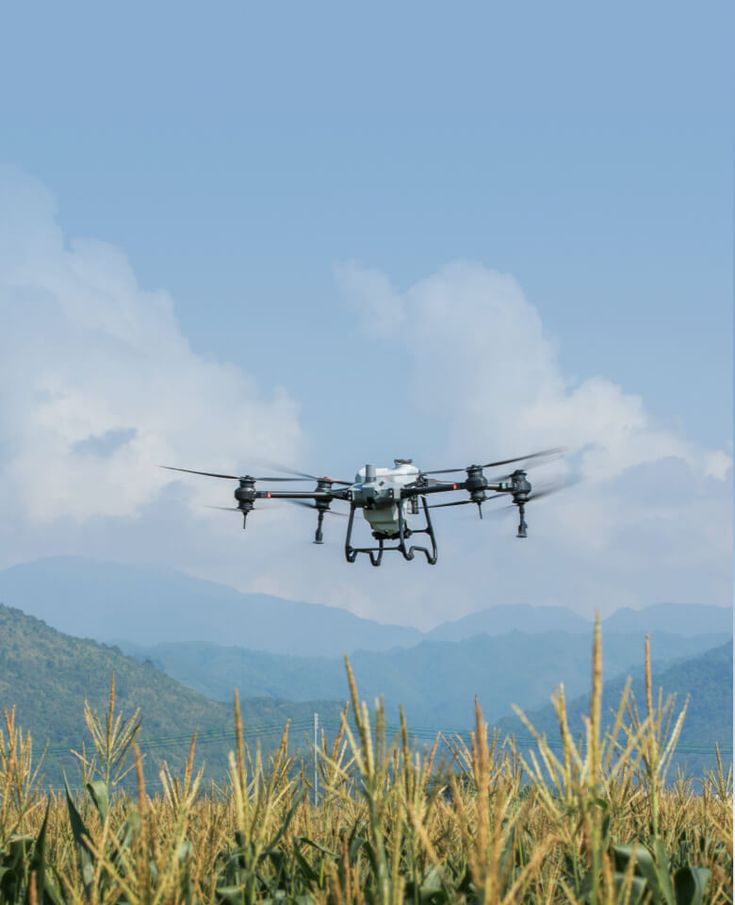
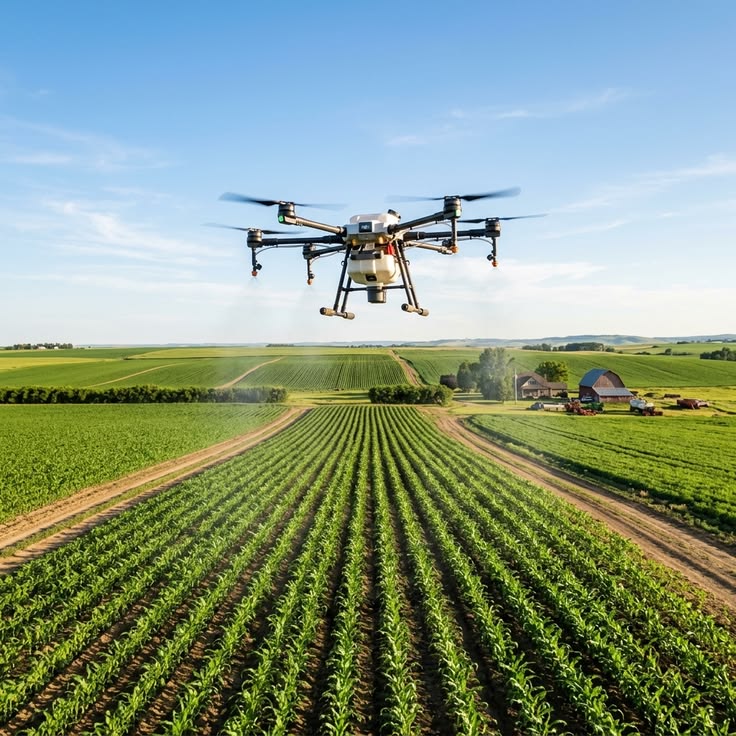
What distinguishes the current wave of African precision agriculture from earlier pilot projects is the shift from photography and diagnostics toward tools that directly perform farm operations. Spray drones capable of applying fertiliser and crop protection products with centimetre-level precision are becoming more common, reducing chemical runoff, cutting the health risks associated with manual knapsack spraying, and applying inputs significantly faster than traditional methods allow.
Digital marketplaces connecting farmers directly to buyers and processors are compounding these productivity gains with better price discovery — research from IFAD suggests digital marketplaces can lift farmer incomes by 15 to 30 percent simply by reducing transaction costs and cutting out predatory middlemen who have historically captured much of the value between farm gate and final buyer.
The infrastructure question underneath it all
None of this technology works in a vacuum. The AI models powering soil analysis, yield prediction and satellite-based crop insurance underwriting require substantial data processing capacity, and analysts increasingly link the pace of precision agriculture adoption directly to the build-out of data centre infrastructure in hubs like Nigeria and Kenya. As connectivity costs continue falling and mobile data access expands into more rural areas, the practical barriers to smallholder adoption — rather than the technology itself — are becoming the main constraint on how fast precision farming scales across the continent.
Where this leaves farmers
For an individual smallholder, the promise of precision agriculture isn't abstract: it's the difference between guessing when to irrigate and knowing, between discovering a pest outbreak after it has spread across a field and catching it on a single diseased tree. As tools like drone monitoring, solar irrigation and digital marketplaces continue moving from pilot programme to standard equipment, the technology gap between Africa's smallholders and the world's largest commercial farms is, in specific and measurable ways, beginning to close.