African agritech startups raised a combined total of just $200,000 in January 2026 — not million, thousand — according to funding data tracked for the FINAS 2026 conference in Nairobi. It was, by most measures, the lowest single month for the sector in years, capping a difficult stretch in which agritech funding across the continent fell to $168.1 million in 2025, down from $206.9 million in 2024, itself a fraction of the sector's 2022 peak of roughly $776 million, according to figures reported by TechCabal.
Then the picture changed fast. February brought $55 million in new agritech funding. March delivered a single agro-industrial mega-round worth $91 million. By June, a cluster of smaller but strategically significant deals had closed, painting a picture less of a sector in freefall and more of one going through a sharp structural correction.
Where the money went — and where it stopped going
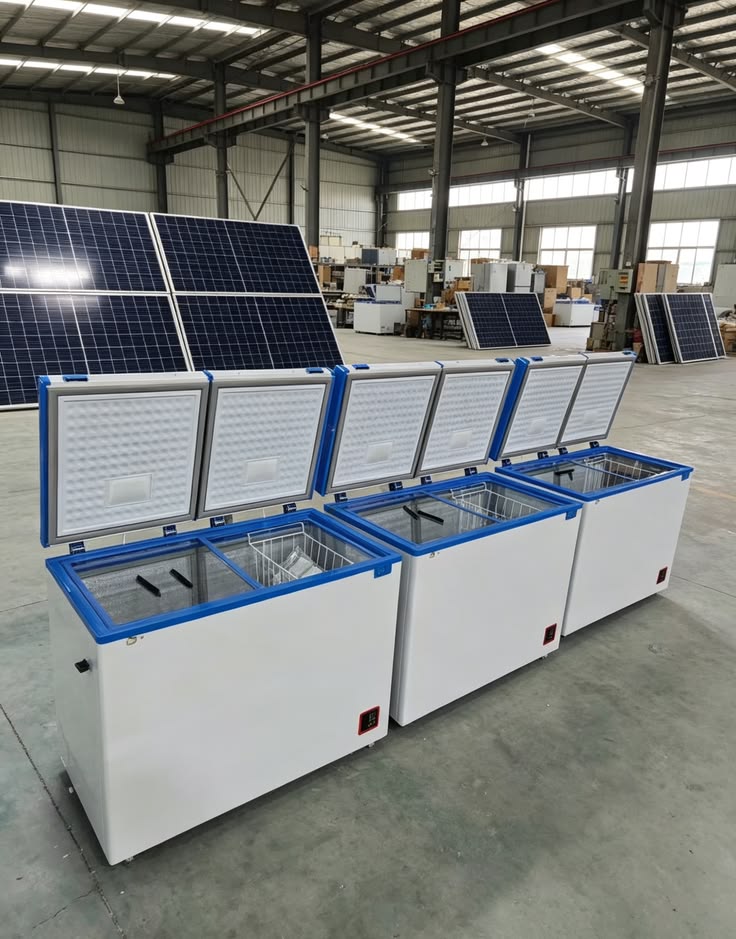
The composition of 2026's rebound tells its own story. Briter Bridges analysts told the Nairobi conference that roughly half of Africa's top recent agritech deals now involve processing or cold-chain logistics, rather than the farm-gate mobile apps and input-marketplace platforms that dominated the sector's earlier funding cycles.
That shift reflects a broader reassessment by investors of where African agritech actually creates defensible, revenue-generating businesses. Farm-gate apps connecting smallholders to advice, inputs or buyers proved difficult to monetise at scale, with thin margins and high customer acquisition costs across fragmented rural markets. Processing and cold-chain infrastructure, by contrast, sits closer to established revenue streams — physical assets, contracted off-take agreements, and clearer paths to profitability that better match what venture and growth-stage investors are underwriting in a more risk-averse funding environment.
The deals defining the rebound
Sponsored
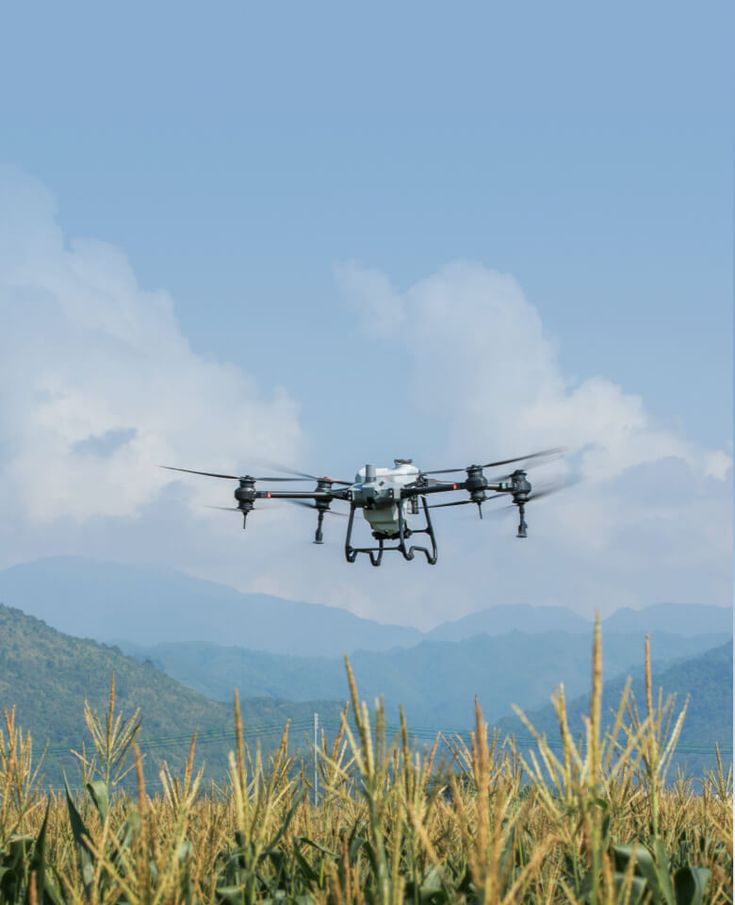
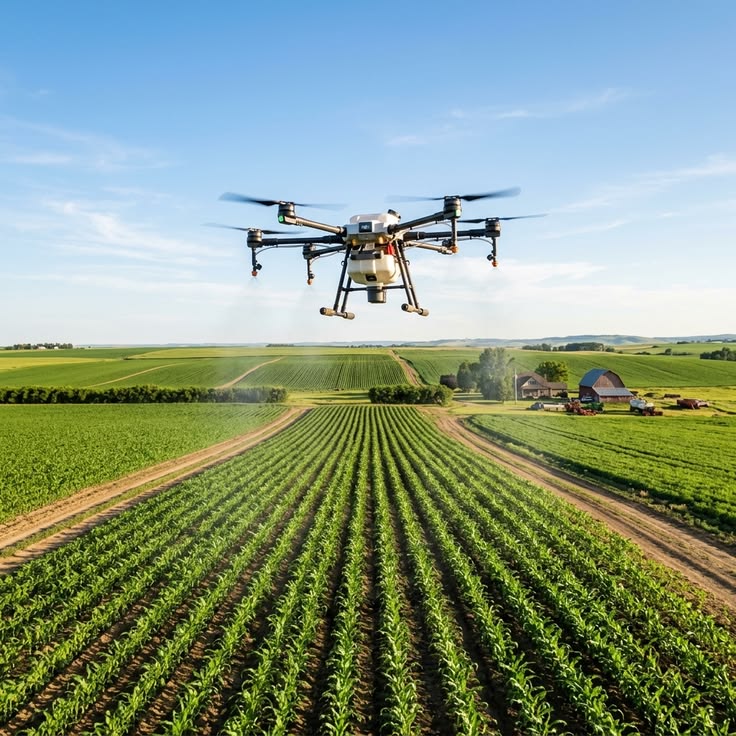
Individual deals illustrate the range of what's now attracting capital. Tunisian startup RoboCare, which fuses satellite imagery, IoT sensors and drone data with AI models trained to monitor regional crops including olives, cereals and industrial tomatoes, closed a six-figure seed round from 216 Capital in July, funding expansion into secondary markets across Africa and the Middle East.
At a different scale entirely, South Africa's Johannesburg-based UrbanFarm Africa was backed by impact investor E Squared Investments for its solar-powered "Hydro-Coop" units, which combine hydroponic vegetable production with poultry farming in a closed-loop system — a pilot specifically designed to turn unemployed township youth, predominantly women, into owner-operators with guaranteed retail off-take arrangements already in place.
What the whiplash says about the sector's maturity
Investors and founders reading the year's funding swings differently agree on one point: the extreme volatility itself is a signal that African agritech is transitioning out of its earlier hype-driven funding cycle into a more disciplined, evidence-based phase. The near-total funding drought in January forced a reckoning among founders and funds alike about which business models actually generate sustainable revenue in African markets — and the deals that followed suggest capital is now concentrating around ventures with clearer unit economics, whether that's satellite-driven crop monitoring with paying agribusiness clients or vertically integrated food production systems with guaranteed buyers.
What comes next
With processing and cold-chain infrastructure now commanding the lion's share of recent deals, the next test for African agritech will be whether this generation of better-capitalised, more commercially disciplined startups can scale fast enough to close the continent's well-documented post-harvest loss and food processing gaps — problems that have persisted for decades despite wave after wave of technology-driven attempts to solve them. If the funding data from the first half of 2026 is any guide, investors are betting that infrastructure, not apps, is where that breakthrough will finally come from.