Across Ghana, Nigeria, Kenya and beyond, a new generation of agritech entrepreneurs is putting satellite data, artificial intelligence and unmanned aircraft directly into the hands of smallholder farmers — and governments are starting to pay attention.
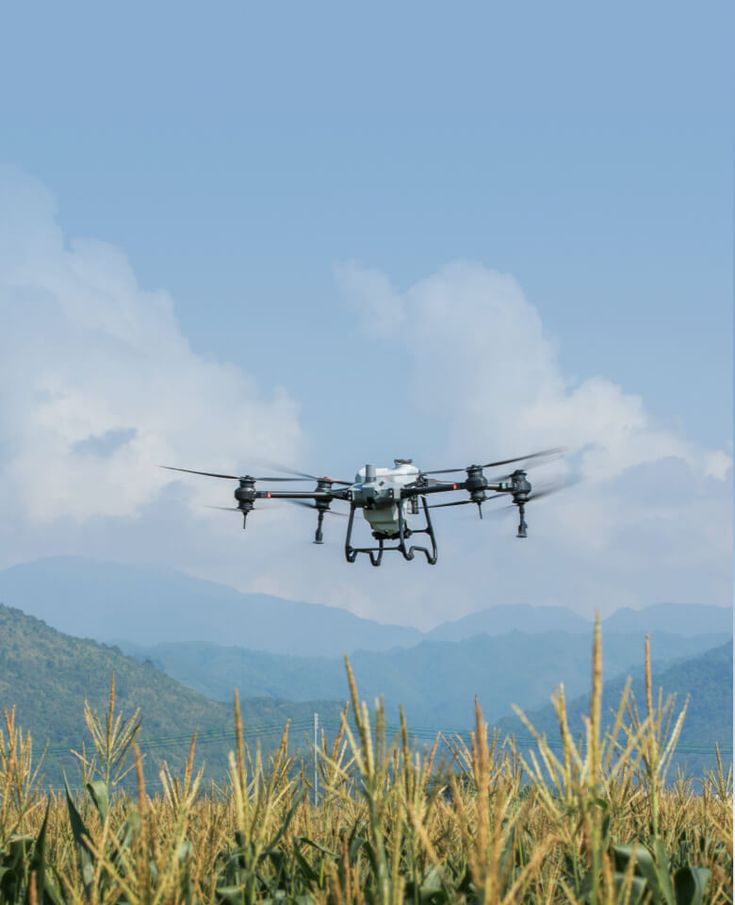
For decades, a farmer suspecting disease in a maize or cocoa crop had one option: wait for an agricultural extension officer who might arrive in days, weeks, or not at all. Across parts of Africa, that wait is shrinking to a matter of hours, thanks to a wave of homegrown agritech innovation that pairs drones and artificial intelligence with the realities of smallholder farming.
The flying farmers
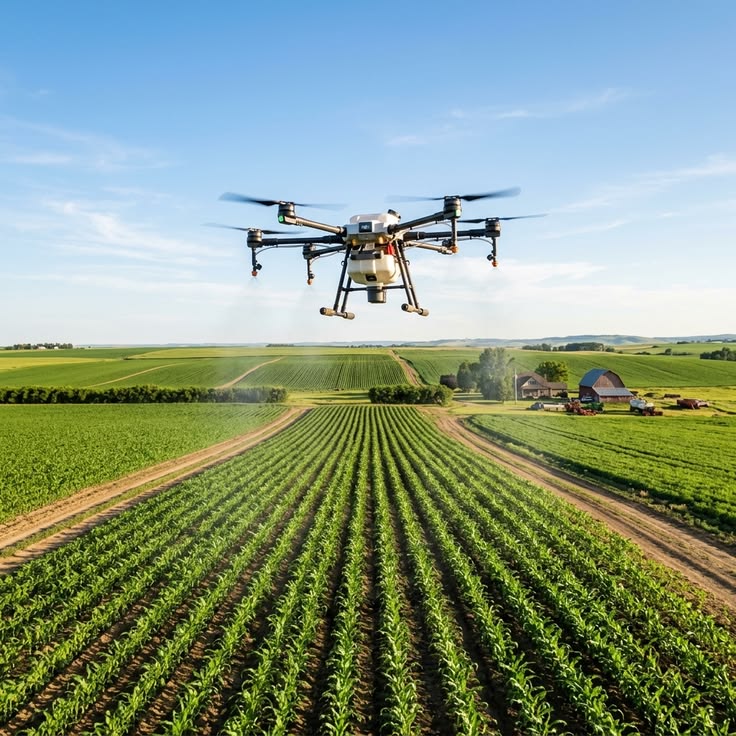
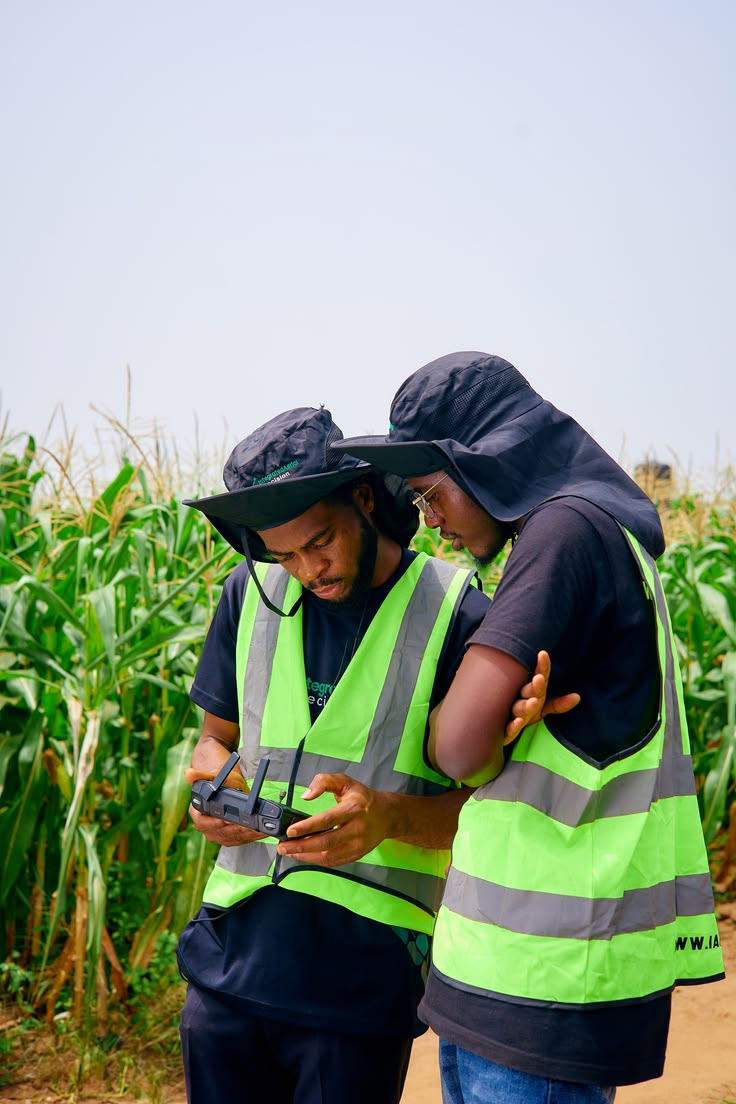
In Ghana, the agritech startup KaraAgro AI sends drones over farmland to capture high-resolution imagery, which its software then analyses for signs of disease, nutrient deficiency and water stress — turning what used to be a slow manual inspection into a same-day diagnosis. In Nigeria, Femi Adekoya has built a similar reputation as "the Flying Farmer." Through his company, Integrated Aerial Precision, he uses drones to monitor crops and train other farmers in precision agriculture — the practice of applying water, fertiliser and pesticide only where and when a field actually needs it.
Zimbabwe's eAgro has taken a lighter-touch approach with CropFix, a mobile tool that lets farmers photograph a diseased plant and receive an AI-generated diagnosis of pests, disease or nutrient deficiency, delivered even over SMS for farmers without reliable internet access. "The biggest challenge is rural connectivity and digital literacy," eAgro's Tafadzwa Chikwereti has said, arguing that bundling AI advice into tools farmers already use — like text messaging — is key to reaching them at scale.
Ghana-based Farmerline has gone further still, building an AI assistant called Darli that farmers can consult directly on WhatsApp in multiple local languages.
Governments are catching up
Sponsored
What began as scattered startup experiments is increasingly being backed by public money and policy. In February 2026, the African Development Bank approved $200 million to expand Nigeria's agricultural programmes, covering everything from farm inputs and value chains to climate-smart agriculture and digital data management. A month later, the World Bank followed with a $500 million project known as AGROW, aimed at lifting smallholder productivity and strengthening agribusiness value chains.
Kenya has taken the education route: in 2025 the government overhauled the curriculum at the Kenya School of Agriculture to include artificial intelligence, drone operation and big data analysis, aiming to build a generation of tech-literate agronomists. Nigeria's National Information Technology Development Agency has signalled similar ambitions, exploring drones and AI as tools for national food security.
Beyond crop health, the technology is finding new uses. In East Africa, drones fitted with night-vision cameras and motion sensors are increasingly deployed against a persistent threat: livestock theft and crop poaching, giving farmers round-the-clock surveillance over land they cannot physically watch at all hours. Pastoralists in Kenya are also turning to satellite data to track rainfall and vegetation patterns, helping herders find grazing land before conditions turn dry.
A market still finding its footing
The numbers suggest this is more than a passing trend. Analysts at MarketsandMarkets project the global agricultural drone market will nearly quadruple, from roughly $3.45 billion in 2026 to $14.42 billion by 2031, and Africa — while still trailing North America, Europe and Asia in absolute size — is regarded as one of the fastest-growing regions for adoption. A 2026 industry review identified more than 350 agritech companies operating in East Africa alone, with a fifth of them having secured outside funding.
Researchers caution that the technology still has real limits. The UN Food and Agriculture Organization's Digital Agriculture and AI Innovation Roadmap, produced after its 2025 global dialogue, stresses that AI tools need to work alongside — not instead of — agronomists, cooperatives and extension officers, particularly since farmers with years of field experience are unlikely to defer entirely to an unfamiliar chatbot. A recent GSM Association study of AI use in Kenya, Nigeria and South Africa reached a similar conclusion: agriculture is where AI is being used most in those countries, but scaling it further will require closing gaps in rural connectivity, digital skills and affordable devices.
For now, though, the direction of travel is clear. As Pamela Pali of the African Plant Nutrition Institute in Kenya has noted, part of the next challenge is making sure these tools reach the women and smallholders who have often been left behind by earlier waves of agricultural technology — not just the commercial farms that can already afford them.
Farm and Livestock News Africa will continue tracking Africa's agritech sector as investment and adoption accelerate.