Investors who once chased farm-gate apps are increasingly funding something less glamorous but more urgent: the cold rooms, freezers and biodigesters standing between harvest and a spoiled crop.
For years, the story of African agritech was told through mobile apps — tools that connected farmers to advice, markets or buyers with a few taps on a phone. In 2026, a quieter but arguably more consequential shift is under way: money is moving into the physical infrastructure that keeps food from rotting before it ever reaches a plate.
Where the losses happen
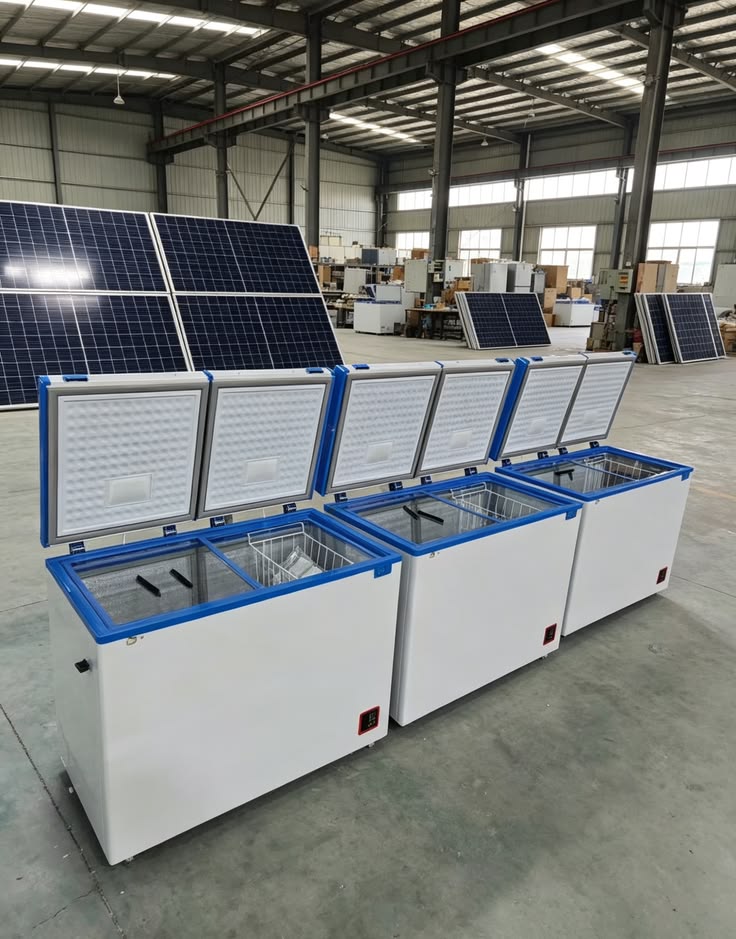
Sub-Saharan Africa loses an estimated 20–40% of its crops after harvest, largely due to a lack of reliable cold storage, unpredictable power supply, and long, hot journeys between farm and market. That single statistic has become the throughline for a new generation of hardware-focused startups now attracting serious capital.
Nigeria has become something of a hub for this trend. Koolboks, which manufactures pay-as-you-go solar freezers for food vendors and small farmers, and Eja-Ice, which builds fully off-grid solar freezers, cold rooms and refrigerated tricycles, have both raised fresh funding in 2026 to expand their footprint. A third Nigerian company, Powerstove, is tackling a related problem from the household side, developing internet-connected clean cookstoves that burn biomass pellets — closing the loop between farm waste and household energy rather than treating them as separate problems.
Turning waste into fuel
Sponsored
In Kenya, Nairobi-based Sistema.bio has taken a different but complementary approach, raising $53 million in 2026 for prefabricated biodigesters that convert farm waste into clean biogas and organic fertiliser for smallholders — a deal that stood as the single largest African agritech raise of the month it closed, according to startup trackers. The logic is straightforward: instead of losing value twice, once when crops spoil and again when manure and crop residue go to waste, these systems try to capture value at both ends of the farm cycle.
Analysts at Briter Bridges, presenting at the FINAS 2026 conference in Nairobi, noted that roughly half of Africa's largest recent agritech deals now involve processing or cold-chain logistics rather than farm-gate advisory apps — a sign, they argued, that investors increasingly see the "infrastructure layer" between harvest and market as the sector's most investable opportunity, even as overall agritech funding across the continent has been more volatile than headline figures suggest.
A story with an East African premium
Ethiopia offers another variation on the theme. Lovegrass Ethiopia secured $5 million from British International Investment in early 2026 to scale processing and export capacity for teff, the country's staple grain — a bet that African crops can be marketed as premium global products rather than raw commodities shipped out for someone else to process and profit from.
Why hardware, why now
None of this is charity. Cold-chain and processing infrastructure solves a problem that farm-advisory apps cannot: even the best crop-disease diagnosis is worthless if the harvest it saves later spoils in transit for lack of refrigeration. As one 2026 industry review put it, the money has quietly moved "from farm-gate apps to the infrastructure between harvest and plate" — a shift that may do more to move the needle on food security than any single new app ever could.
Farm and Livestock News Africa will keep tracking where agritech capital is flowing as the sector matures.