Angola Bets $1.45 Billion on Turning Farmland Into Jobs — 700,000 of Them
Angola has launched a sweeping new agricultural investment framework with the World Bank Group, aiming to create up to 700,000 jobs and mobilize as much as $1.45 billion in public and private financing for the country's agricultural sector by 2030. The AgriConnect Compact, unveiled in Luanda in June, brings together government, private investors, financial institutions, development partners, and farmer organizations around a single coordinated agenda.
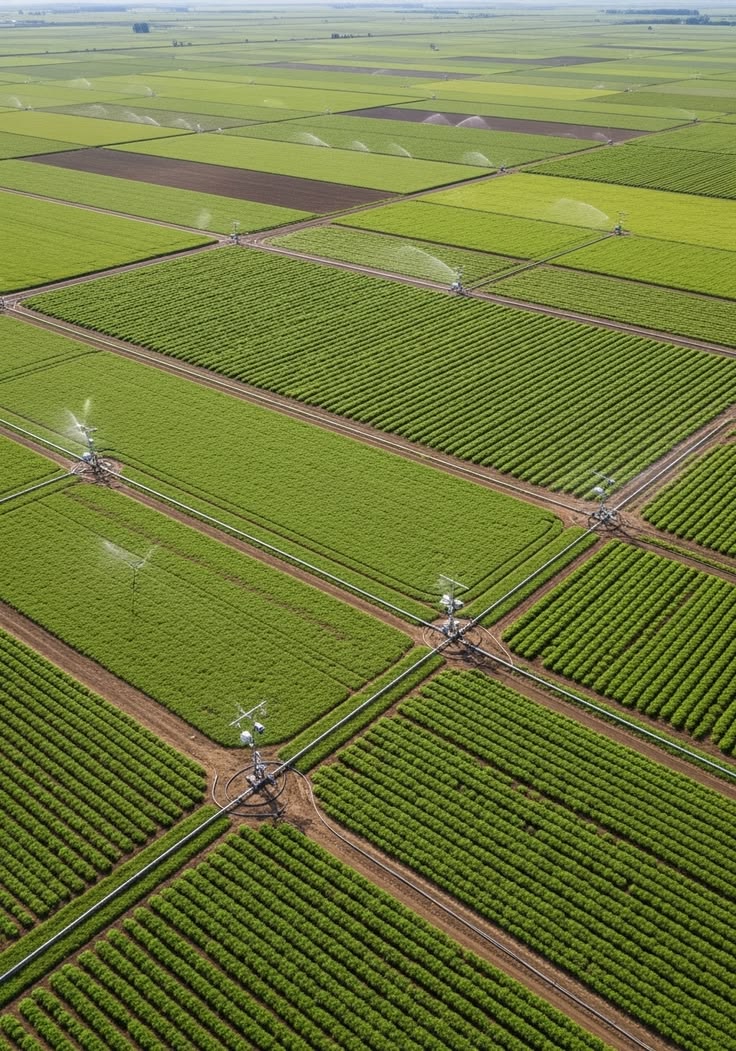
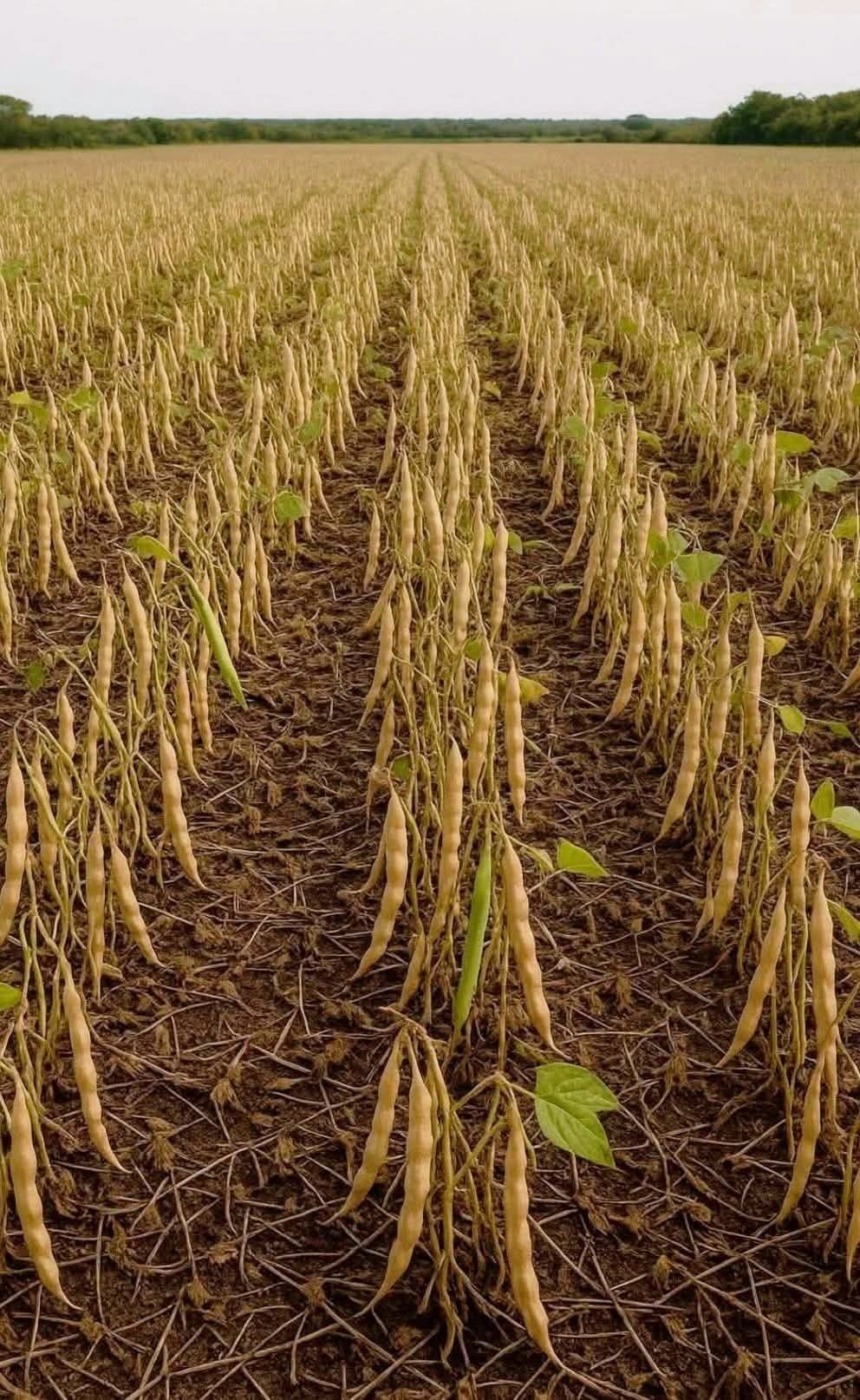
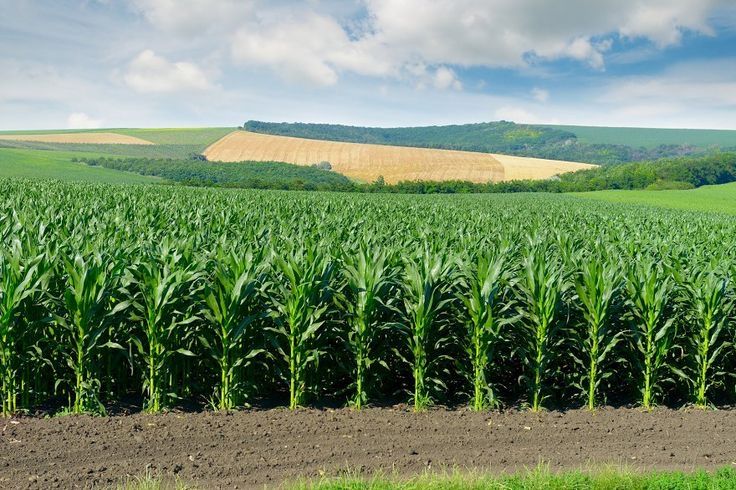
The numbers behind Angola's ambition are striking against its current reality. The country holds more than 58 million hectares of arable land and favorable agro-climatic conditions, and agriculture provides livelihoods for more than half of Angola's workforce. Yet productivity remains low, and Angola spends approximately $3 billion annually importing food it could, in theory, largely grow at home. The Compact's stated goal is to generate up to $2.2 billion in annual added economic value by closing that gap.
What the Compact Actually Funds
Rather than a single infrastructure project, AgriConnect is designed as a coordinated set of investments and policy reforms spanning the entire agricultural value chain. On the production side, it will fund improved processing, logistics, and agricultural services intended to generate jobs and entrepreneurship opportunities specifically for women and youth. By working simultaneously to lift productivity, cut post-harvest losses, and strengthen the links between farmers and markets, the initiative aims to boost domestic food production while feeding Angola's expanding agro-processing sector.
Sponsored
The World Bank Group is preparing a follow-on financing operation focused specifically on building more competitive agricultural value chains and agribusiness development, with particular attention to opportunities along the Malanje and Lobito development corridors — transport and logistics routes that could meaningfully shorten the distance between Angola's farmland and its urban food markets, and eventually export ports.
The International Fund for Agricultural Development has also joined the Compact, working alongside the Angolan government and the World Bank on an initiative explicitly designed to help move the country's smallholder farmers from subsistence toward surplus production — part of a wider World Bank Group commitment to transform farming conditions for 300 million smallholders worldwide.
Part of a Bigger Regional Pattern
Angola isn't acting alone. AgriConnect Compacts are being developed by multiple African governments as a way of translating the World Bank's broader smallholder transformation ambition into country-specific action plans, drawing on multilateral development banks, international finance institutions, development partners, farmer organizations, and private sector partners in each case. The approach reflects a broader shift visible across the continent's agribusiness sector this year: rather than isolated aid projects or one-off farm subsidies, governments and international partners are increasingly building integrated frameworks that tie production, processing, logistics, and market access together under a single coordinated strategy.
That shift is playing out alongside a wider wave of private capital moving into African agribusiness. Development finance institution Proparco recently committed $12 million to the Acumen Resilient Agriculture Fund II, a venture vehicle backing early-stage African agribusinesses, while the International Finance Corporation is preparing to back Ethiopia's first private fertiliser plant. Yet despite this growing interest, agriculture still receives only about 6 percent of total African Development Bank lending, even though the sector accounts for roughly 30 percent of the continent's GDP and the continent holds nearly 60 percent of the world's remaining uncultivated arable land — a gap that frameworks like AgriConnect are explicitly designed to help close.
The Compact is fully aligned with Angola's National Development Plan 2023–2027, which identifies agriculture and agribusiness as central pillars of economic diversification. For a country whose economy has historically leaned heavily on oil exports, AgriConnect represents a deliberate bet that the next major source of jobs, foreign exchange savings, and rural income growth lies in the 58 million hectares of arable land still waiting to be more fully put to use.