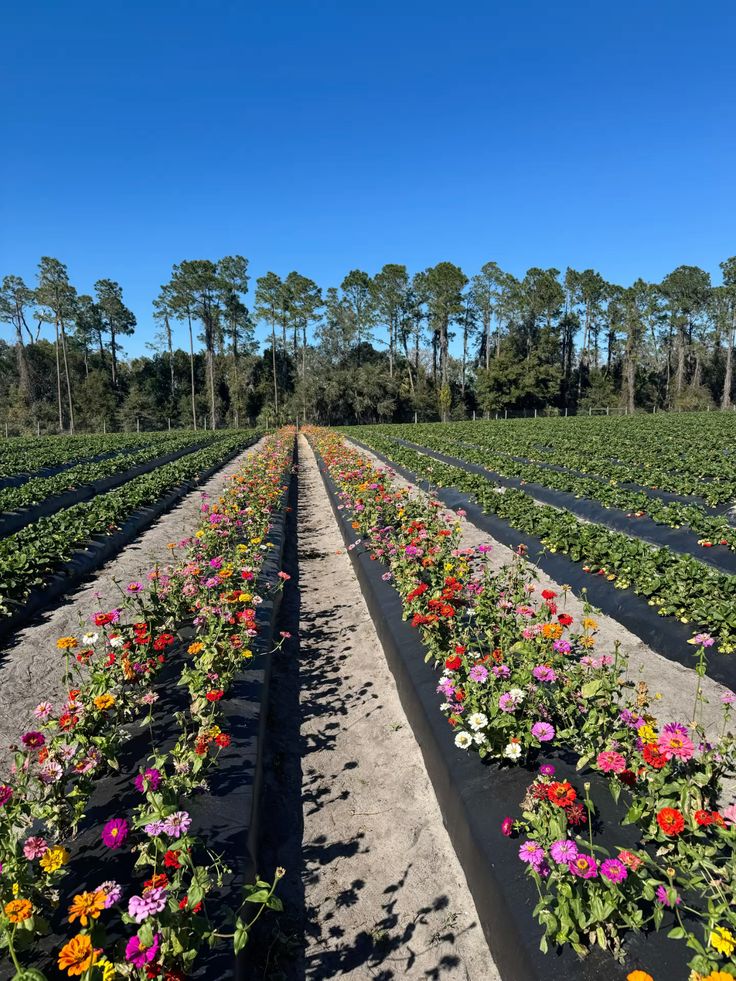
Kenya's cut flower industry generated approximately $845 million in export earnings in 2025, directly contributing 1.5 percent to national GDP and supporting more than one million livelihoods across the value chain, according to the Kenya Flower Council. The figures underscore why the country's flower farms — spread across the Rift Valley, Lake Naivasha, and Mount Kenya regions — remain one of Kenya's most consistently valuable agricultural exports, even as freight costs, fertiliser prices, and global supply chain pressures mount.
The strength of the sector was on full display at the recent 13th edition of the International Floriculture Trade Expo, which drew a record 210 exhibitors — up from 189 the previous year — marking the highest participation in the event's history. HPP International Group CEO Dick van Raamsdonk described the expo as a genuine barometer of the global flower trade, noting that in a year when many industries are showing caution, the growth in participation sends a markedly different signal about the sector's confidence and outlook.
Roses, and Where They're Headed
According to Kenya's Agriculture and Food Authority, the country exported horticultural produce worth roughly KES 143.78 billion in 2025, with cut flowers alone accounting for 62 percent of total export value. Kenyan flowers reached 143 destinations worldwide last year, with roses making up approximately 69 percent of total flower export volume. The European Union — and the Netherlands in particular, home to the world's largest flower auction system — remains Kenya's primary export destination, though the United Arab Emirates has emerged as the fastest-growing market, driven by luxury wedding demand and a seasonal complementarity with European supply patterns.
Acting AFA Director General Calistus Kundu described the sector as central to inclusive economic growth, employment creation, and rural livelihoods across the regions where flower farming is concentrated — a description borne out by the workforce data: more than 60 percent of the industry's employees are women, many working in packing, grading, and quality control roles that anchor rural employment well beyond the farm gate itself.
Sponsored
The Cost Pressures Farms Are Navigating
None of this growth has come easily. Industry projections warned that prolonged freight and supply chain disruption could result in export losses exceeding $15 million per month and put as many as 50,000 jobs at risk if left unaddressed — a reminder of just how exposed flower exports are to global shipping costs, given the perishable, time-sensitive nature of the product. Peak periods like Valentine's Day account for roughly a third of Kenya's annual flower export volume within a two-week window alone, placing intense pressure on cold chain logistics and workforce capacity precisely when farms have the least room for disruption.
In response, Kenyan flower farms have increasingly pursued green certification standards as a competitive strategy — a move industry analysts say is helping exporters differentiate themselves from cheaper, less compliant competitors out of South America and parts of Asia, effectively locking in premium market access even as global cost pressures squeeze margins elsewhere in the supply chain.
A Gateway to New Markets
Beyond its role as Africa's largest cut flower exporter, IFTEX has increasingly become a launchpad for Kenyan flower farms looking to diversify their buyer base into new regions, including North America, Southeast Asia, Eastern Europe, and the Middle East — markets industry leaders view as essential hedges against overreliance on any single destination, particularly the European Union, where sustainability compliance requirements continue to tighten.
For a sector navigating geopolitical instability, rising freight costs, and fertiliser price volatility simultaneously, Kenya's 2025 export performance and the record turnout at IFTEX 2026 point to an industry that has, so far, managed to convert those pressures into a case for further investment rather than retreat — betting that global demand for East African roses will continue to outpace the mounting costs of getting them to market.