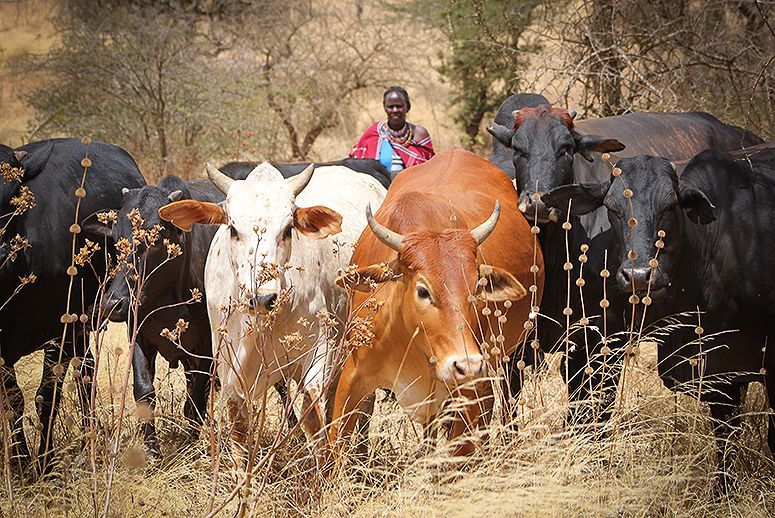
The World Bank's own reporting on Kenya's livestock sector points to a genuine shift already underway. As many as 50 million people across the Horn of Africa are pastoralists — the largest concentration of livestock keepers anywhere in the world — with roughly 7 million of them in Kenya, where more than 60 percent of the population keeps some form of livestock, whether cattle, goats, sheep, camels, pigs, or poultry. Livestock accounts for 42 percent of Kenya's agricultural output and roughly 12 percent of national GDP, a scale that has begun attracting a new generation of private operators building genuinely commercial businesses around it.
One such operator, Eastern Green, illustrates both the opportunity and the operating discipline required to capture it. The company, which also runs an avocado farm, generates approximately $30,000 per quarter in hay sales to livestock keepers across the region — enough to cover its costs even through a 2026 first quarter marked by good rains and comparatively weaker demand. Chief Financial Officer Jonathan Kaitani, whose team blends experienced financial management with the problem-solving instincts of younger operational staff, has kept the company current on every loan payment despite the tight margins inherent to feed supply businesses. "Brisk trade places profitability within reach," Kaitani said — a candid acknowledgment that even a well-run livestock input business needs consistent throughput to stay comfortably profitable.
The Goat Economics Nobody Talks About Enough
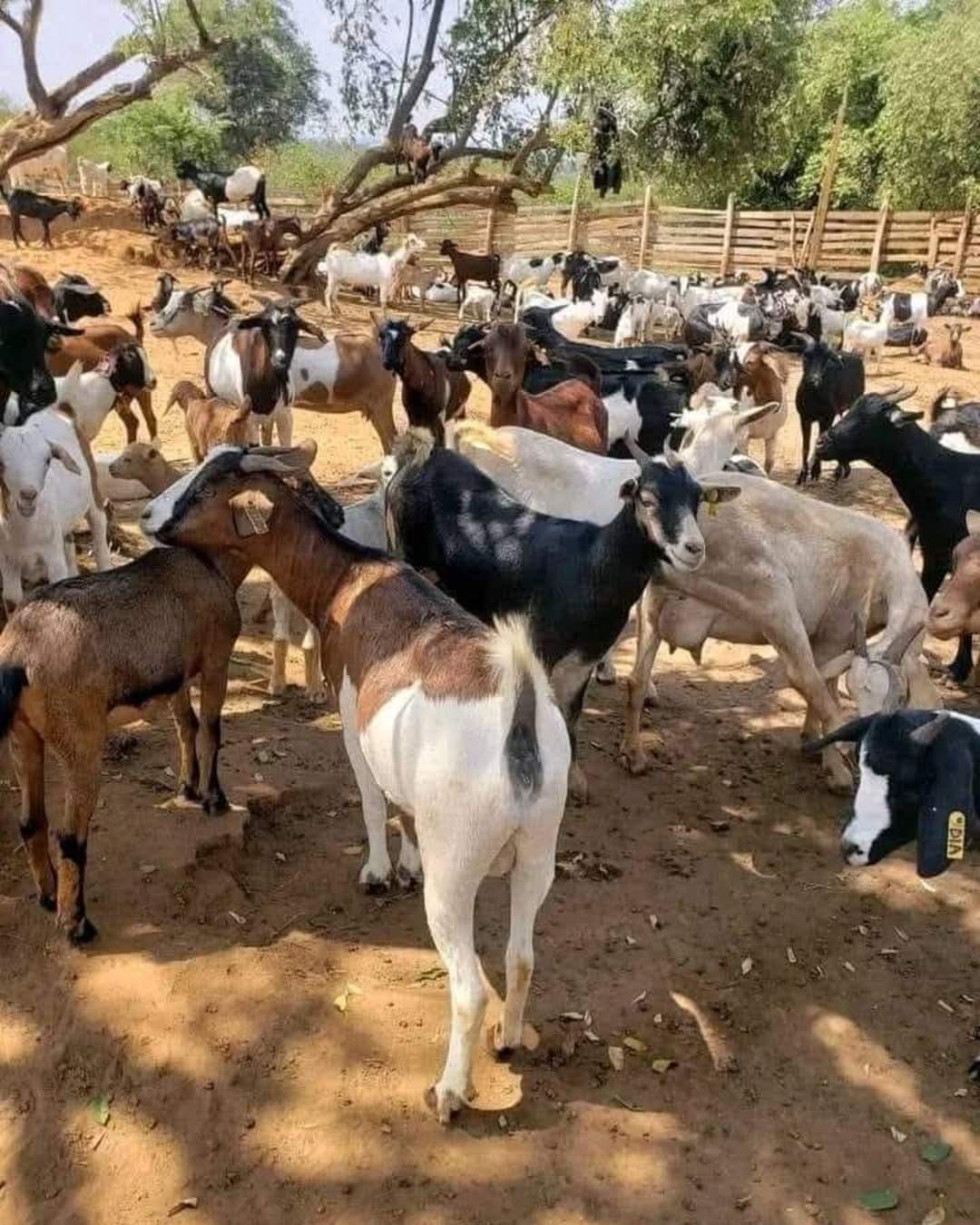
Kenya's goat sector, in particular, has quietly become one of the country's fastest-growing livestock enterprises, with a national goat population exceeding 27 million animals contributing meaningfully to agricultural GDP and sustaining livelihoods across the country's arid and semi-arid lands, where cattle and dairy operations often struggle. Goat meat now sells for up to KES 900 per kilogram in local butcheries, while goat milk fetches between KES 100 and 200 per litre — more than triple the price of cow milk, and a margin agribusiness advisors increasingly point to when making the case for smallholder diversification away from cattle-only systems.
The comparative economics are part of what's driving renewed interest: a single dairy cow requires acres of grazing land and years before reaching full productivity, while goats reproduce faster, require substantially less feed per animal, and deliver returns considerably sooner. A modest flock of five breeding does can produce 10 to 15 kids annually, generating KES 100,000 to 200,000 in yearly sales for smallholders — numbers that have made goat farming an increasingly attractive entry point for new agricultural investors across Kenya's Kitui, Marsabit, and Kajiado counties, as well as higher-rainfall highland regions.
Sponsored
Nigeria's goat sector tells a parallel story built around unmet import demand. According to World Bank trade data, Nigeria imported roughly $1.33 million worth of goat meat in a recent year — a figure industry advocates say signals robust domestic demand and a substantial, largely untapped opportunity for local producers. "Nigeria is blessed, and as a giant of Africa, we must go back to our roots and build it," goat farming advocate Nwani has argued, noting that a 100-capacity goat pen can be constructed for as little as ₦1.2 million within a week — a relatively low capital barrier for an enterprise with genuine profit potential once basic housing, feed, and health management practices are in place.
Piggeries: High Margins, High Biosecurity Stakes
Pig farming presents a similarly compelling but considerably riskier investment case. Industry analysis suggests a well-managed 10-sow farrow-to-finish operation in Zimbabwe, Kenya, or Nigeria can reliably deliver between $1,600 and $3,800 of profit per sow annually, with payback periods as short as 12 to 15 months — economics driven by a combination of strong urban demand for pork, comparatively modest domestic supply, and limited competition from imports across much of sub-Saharan Africa.
That opportunity comes with a sharp caveat. Pigs are notably unforgiving of poor genetics, inadequate feed, or substandard housing, and a single biosecurity lapse involving African swine fever — a disease with no available vaccine — can wipe out an entire herd's value within two weeks. Researchers tracking pig production across the continent note that countries including Liberia and Kenya have seen considerable growth in private institutional and development partner investment in pig production and processing infrastructure, alongside growing recognition that research, extension services, and disease management training are essential to helping farmers actually capture the sector's profit potential rather than losing herds to preventable outbreaks.
What's Driving the Shift
Across both goats and pigs, the underlying investment logic is consistent: as Africa's population grows and urbanizes, demand for affordable animal protein continues climbing faster than many conventional livestock systems can scale to meet it — creating exactly the kind of supply-demand gap that draws in commercially-minded entrepreneurs and, increasingly, development finance institutions looking beyond the traditional cattle, dairy, and poultry value chains. For investors and agribusinesses evaluating where to place capital next in African livestock, the evidence increasingly suggests goats and pigs deserve a seat at the table long occupied almost exclusively by cattle.