Why Soil Quality Is a Nutrition Story, Not Just a Yield Story
Emerging research is drawing an increasingly direct line between soil health and human nutrition outcomes. A recent scientific review examining regenerative organic agriculture found that crops grown under regenerative soil management systems — including leafy greens, grapes, and carrots — showed measurable increases in vitamin C, zinc, and polyphenol content, alongside reductions in nitrates and pesticide residues, compared with conventionally farmed equivalents. The implication is significant for African food systems specifically: improving soil health isn't just about growing more food, but potentially about growing more nutritious food from the same land.
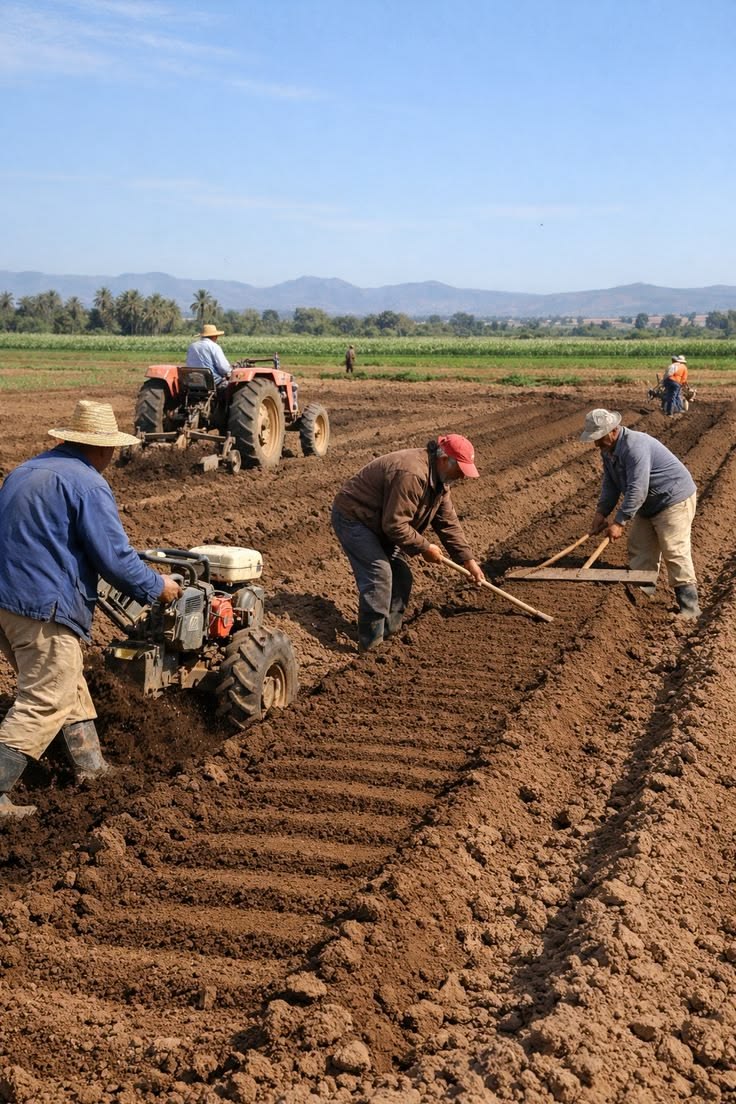
That connection matters enormously given the scale of soil degradation across the continent. Conventional farming practices common across much of sub-Saharan Africa — intensive tilling, removal of vegetation cover, monocropping, and insufficient replenishment of organic matter — have created what researchers describe as a self-reinforcing cycle: degraded soil produces lower yields, which increases pressure to farm more intensively or expand into new land, which further accelerates degradation and reduces the nutritional density of whatever crops are still successfully grown.
Proof From the Field: Kenya and Tanzania's Tuungane Project
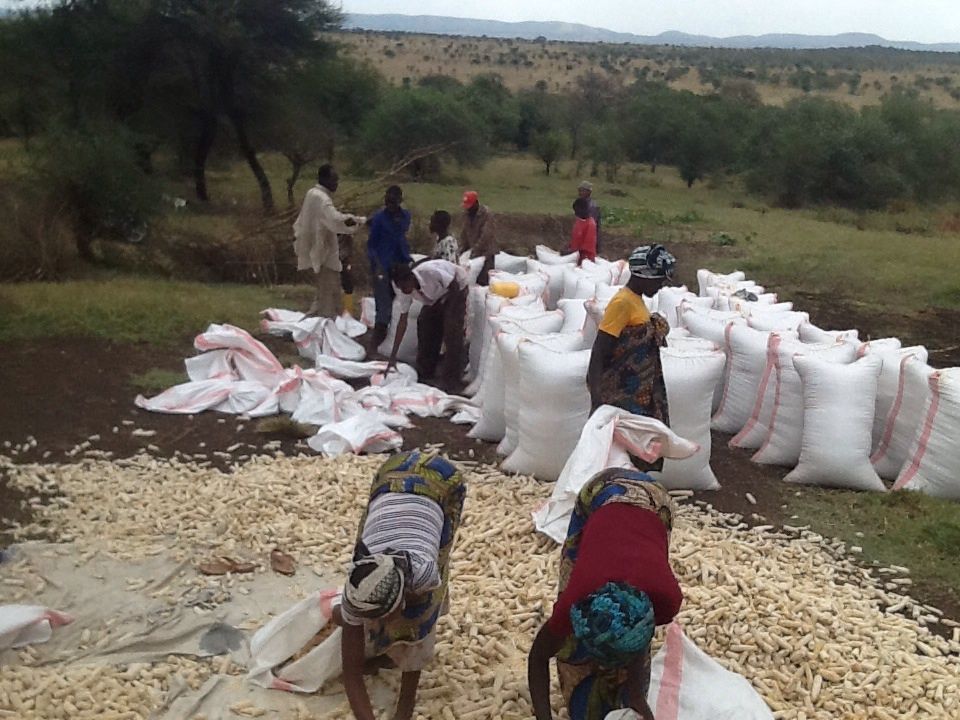
Concrete evidence that reversing this cycle works at meaningful scale comes from East Africa. The Tuungane Project, a partnership between The Nature Conservancy and Pathfinder International launched in 2016, has worked directly with smallholder farmers across Kenya and Tanzania to introduce regenerative soil practices tailored to local environmental conditions. The results have been substantial: participating farmers have seen maize yields improve by 35 percent and horticultural crop yields — including tomatoes and cabbages — increase by 40 percent, directly boosting both household nutrition and supplemental income from higher-value produce.
The project has trained more than 18,500 farmers since its launch, nearly half of them women, though adoption wasn't immediate — initial uptake sat at just 30 to 40 percent of participants actually changing their farming behaviours, underscoring a challenge researchers across the continent consistently flag: the benefits of soil-health-restoring practices typically take time to become visible, creating a real adoption barrier for farmers who need to see returns quickly to justify the change in approach.
Sponsored
A Continental Push Gathers Momentum
Kenya and Tanzania's experience is feeding into a much broader continental conversation. The Africa Fertilizer and Soil Health Summit, held in Nairobi, brought together leaders, researchers, and farmers specifically to examine how agroecology and regenerative agriculture can address soil health, productivity, and inclusivity simultaneously — with speakers emphasizing a shift away from input-heavy farming toward what researchers call ecological intensification: an approach that strengthens natural soil cycles, reduces dependence on external inputs, and gives farmers greater long-term autonomy over their land's productivity.
That momentum is set to continue at the 2026 Africa Food Systems Forum, where the Coalition of Action for Soil Health is convening a dedicated session exploring how carbon-financed conservation agriculture can simultaneously strengthen soil health, crop yields, and food and nutrition security for smallholder farmers. The session's framing reflects a stark geopolitical backdrop: fertiliser prices have been driven to historic highs by disruptions including the war in Ukraine and tensions affecting shipping through the Strait of Hormuz, while the World Food Programme projects 363 million people facing acute hunger across 53 countries — pressures that have made reducing fertiliser import dependence through healthier, more self-sustaining soil systems a matter of increasing urgency rather than simply environmental best practice.
The Balance Researchers Are Still Working Out
Not all researchers agree that regenerative practices alone can fully solve Africa's soil health challenge. A 2026 study published in npj Sustainable Agriculture argues that while organic inputs and improved agronomic practices are essential, building soil health at the scale sub-Saharan Africa needs will not be possible without fertiliser use as well — since available organic inputs alone typically provide only a portion of the nutrients degraded soils require, and simply transferring organic material from one location to another risks depleting soil elsewhere in the process. The researchers frame this not as a contradiction of regenerative approaches, but as a case for combining fertiliser use strategically with organic inputs, improved seed varieties, and sound agronomic practice under what's known as Integrated Soil Fertility Management.
For smallholder farmers across Africa, the practical takeaway emerging from this research is that soil health and household nutrition are far more directly connected than conventional farming narratives often suggest — and that a Kenyan or Tanzanian farmer restoring their soil's organic matter isn't just protecting long-term yields, but very possibly improving the nutritional value of every meal that soil ultimately produces.