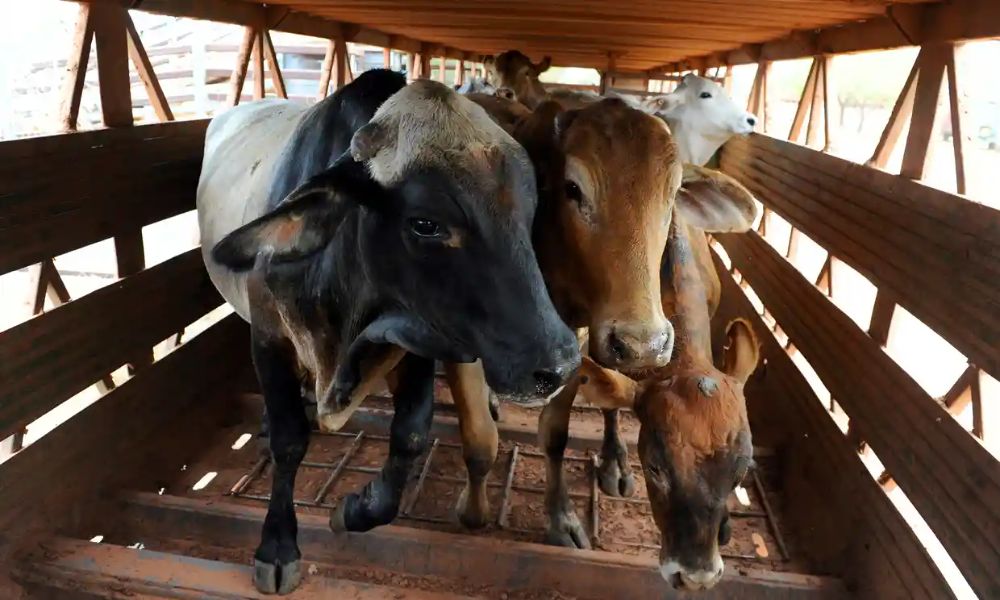
Zimbabwe has partially lifted its suspension on imports of live cloven-hoofed animals and products from South Africa this week, reopening trade specifically from the Western Cape after the province demonstrated compliance with international animal health standards. It's a limited but symbolically important step in the region's slow recovery from the foot-and-mouth disease outbreak that has disrupted Southern African livestock markets for well over a year.
What's Actually Reopening
Under the partial reopening, animals will be accepted only from farms and compartments specifically certified by Zimbabwean state veterinarians as meeting World Organisation for Animal Health standards — a deliberately narrow reopening that keeps the rest of South Africa's export trade with Zimbabwe suspended while the wider outbreak continues to be managed. The compartmentalized approach reflects a broader shift in regional disease control strategy: rather than treating an entire country as either fully open or fully closed to trade, veterinary authorities are increasingly certifying specific farms, provinces, or production zones based on their individual disease status.
A Show Season Marked by Empty Pens
The outbreak's regional impact was visible in a more visceral way at this year's Bulawayo Agricultural Show, where cattle pens sat empty due to the ongoing foot-and-mouth disease situation across Southern Africa. Rather than derailing the event entirely, organizers and exhibitors leaned into what was still possible: small-stock exhibits and young agripreneurs focused on value-added products kept the show running, even without the cattle displays that would normally anchor it.
Sponsored
Tobacco Farmers Squeezed From a Different Direction
Livestock wasn't the only sector under pressure in Zimbabwe this week. Thousands of tobacco farmers report growing frustration with low prices as the country's 2026 tobacco marketing season continues, pointing to a widening gap between what they're being paid and their rising production costs. While tobacco and livestock are separate value chains, the shared thread is one many Zimbabwean farmers are living with directly this season: input costs climbing faster than the prices being offered for what they produce, whether that's a bale of tobacco or a market-ready steer.
A Land Policy Footnote With Trade Implications
In a related development, Zimbabwe's government announced this month it will return 67 farms previously seized from foreign nationals from four European countries, whose investments are protected under bilateral investment agreements. While not a livestock-specific story, moves like this are being watched closely by regional and international partners as part of the broader context shaping investor confidence in Zimbabwean agriculture — confidence that matters directly for how quickly foreign-linked commercial farms, including livestock operations, can attract fresh capital during a period when the sector is also managing disease recovery.
For Zimbabwean and South African cattle producers, the Western Cape-specific reopening is a template worth watching rather than a full return to normal trade. Farmers and exporters in other South African provinces working to restore FMD-free certification should expect a similarly compartmentalized, farm-by-farm verification process before their own regions are reopened to Zimbabwean trade — meaning individual biosecurity compliance and documentation, not just national-level disease trends, will determine which specific farms benefit first as regional trade gradually normalizes.