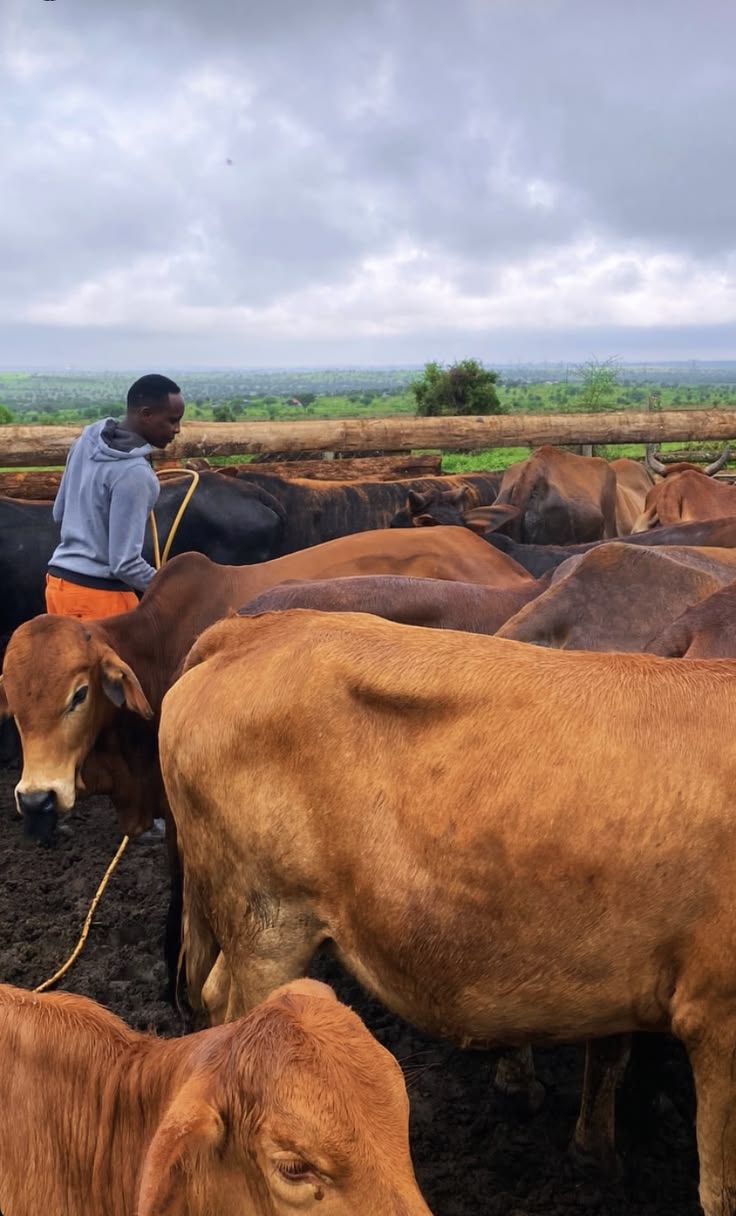
A major ambition for Zambia’s livestock industry
Zambia’s beef industry is entering an important period, with the government placing livestock production at the centre of its agricultural and export ambitions.
On 9 October 2026, President Hakainde Hichilema announced a target of earning US$1 billion annually from beef exports and increasing the national cattle population to 11 million animals. The plans include developing beef marketing centres, improving livestock extension services, strengthening animal disease control and expanding systems for quality assurance and traceability.
The targets signal an opportunity for cattle farmers, livestock traders, feed suppliers, veterinary service providers, processors and other businesses across the beef value chain.
However, a larger cattle population alone will not guarantee export growth. Zambia must also ensure that animals are healthy, production is commercially viable, slaughter and processing meet buyer requirements, and the beef supply chain can consistently demonstrate where animals originated and how they were managed.
For livestock producers, the question is no longer simply how to raise more cattle. It is how to raise healthy, market-ready animals that can compete in demanding markets.
Animal disease control is central to export growth
One of the biggest challenges facing Zambia’s beef ambitions is the control of diseases that affect cattle productivity and restrict livestock movement and trade.
In a statement dated 6 October 2026, the Veterinary Association of Zambia highlighted foot-and-mouth disease movement restrictions affecting parts of Western and Southern provinces, including Monze, Namwala and Choma. The association also identified contagious bovine pleuropneumonia in Namwala District as a concern for the livestock sector.
These concerns matter because international beef buyers need confidence that animals and meat products meet the health conditions required for trade. Disease outbreaks can lead to movement restrictions, disrupted marketing, additional veterinary costs and difficulties maintaining reliable supply.
The Veterinary Association has also pointed to the need for adequate staffing, transport, surveillance and diagnostic laboratory capacity. These are not merely administrative matters: they influence how quickly outbreaks are detected, how effectively animals are monitored and how reliably veterinary authorities can verify livestock health.
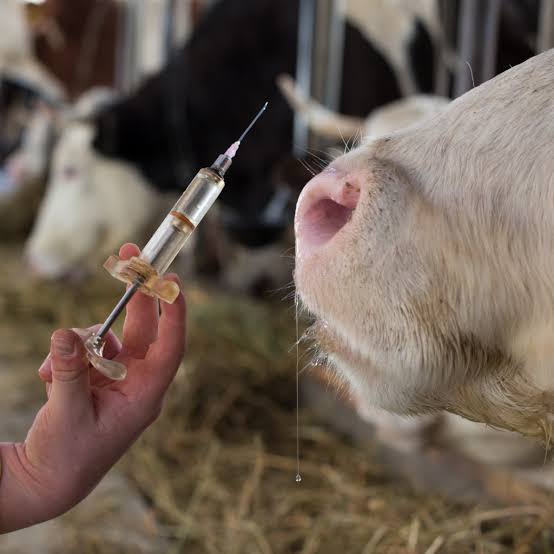
For farmers, prevention starts with working closely with veterinary officers, following official vaccination and movement requirements, reporting suspected disease promptly and avoiding unauthorised movement of animals. Vaccination programmes must follow veterinary guidance because the appropriate vaccine and schedule depend on the disease risks and official control programme.
Disease control is a shared responsibility involving farmers, traders, veterinary professionals, government institutions and traditional leaders.
Disease control is a shared responsibility involving farmers, traders, veterinary professionals, government institutions and traditional leaders.
Disease-free compartments could help connect farmers to export markets
A key part of Zambia’s strategy is the development of livestock disease-free compartments. These are managed areas or production systems designed to demonstrate compliance with defined animal-health and biosecurity requirements, subject to official veterinary oversight.
Such systems can help establish confidence in livestock production when they are properly implemented, monitored and recognised by relevant trading partners. They require more than declaring an area disease-free: animal movements, surveillance, veterinary services and supporting records must work together.
Namwala is particularly relevant to this discussion. The Veterinary Association of Zambia has noted that the district hosts disease-free compartments linked to the country’s beef export ambitions, while also identifying disease-control concerns in the area.
This highlights the importance of protecting these production systems. Farmers and traders operating within designated areas need to understand the rules governing animal identification, movement, disease reporting and veterinary inspection.
For producers outside these systems, stronger disease surveillance and more organised marketing arrangements could also help improve access to formal markets over time. However, access will depend on the applicable animal-health requirements, infrastructure and commercial arrangements.
Traceability: knowing where the animal comes from
As Zambia pursues higher-value beef markets, traceability will become increasingly important.
Sponsored
Traceability means being able to follow an animal through relevant stages of the supply chain, from its origin and movements to its eventual entry into the processing and marketing system. Reliable records help veterinary authorities investigate disease events and allow buyers to assess whether livestock meets required standards.
For cattle farmers, this begins with practical recordkeeping. Producers should maintain accurate information on animal identification, births and purchases, sales, treatments, vaccinations and movements, in accordance with national requirements.
At market level, better documentation can help reduce uncertainty about animal origin and ownership. For processors and exporters, reliable traceability systems can support compliance checks and make it easier to establish consistent sourcing arrangements.
Government plans to strengthen quality assurance and traceability are therefore important to the wider export ambition. The real test will be whether these systems are adequately resourced, implemented consistently and accessible to the producers who supply the industry.
Traditional leaders and farmers have a role to play
Livestock disease control also depends on cooperation at community level.
On 18 October 2026, ZNBC reported that more than 16 traditional leaders in Southern Province had convened in Maala, Namwala District, to discuss strategies for combating cattle diseases and establishing disease-free compartments. The discussions included livestock movement controls and rangeland management.
This development illustrates why livestock management cannot be addressed by veterinary authorities alone. Traditional leaders can help communities understand movement rules, support awareness campaigns and encourage cooperation with disease-control measures.
Farmers, meanwhile, need timely access to veterinary services and clear information about restrictions, vaccination campaigns and reporting procedures. Enforcement is more effective when communities understand the reasons for the rules and have practical ways to comply.
Better coordination can also support responsible grazing and livestock movement practices, helping to reduce avoidable risks while protecting farmers’ livelihoods.
From cattle numbers to commercially productive herds
Expanding the national herd to 11 million animals is a substantial ambition, but herd growth must be matched by adequate feed, water, veterinary services, breeding management and reliable markets.
Farmers who want to benefit from growing commercial demand should focus on improving the productivity and condition of their animals. This includes planning for dry-season feed shortages, ensuring access to clean water, maintaining suitable breeding records and seeking timely veterinary care.
Cattle producers should also assess the costs of production before expanding. More animals can mean higher feed, labour, treatment and transport expenses. Increasing herd size without sufficient resources may reduce productivity and weaken farm profitability.
Organised marketing can help farmers understand buyer requirements and plan production around realistic market opportunities. Beef marketing centres, if developed with appropriate infrastructure and transparent operating arrangements, could improve the connection between producers, traders and processors.
The benefits will depend on implementation, including whether smallholder farmers can access the services, information and markets being developed.
What will determine whether Zambia reaches its target?
Zambia’s US$1 billion beef-export ambition presents a significant opportunity, but achieving it will require sustained progress across the entire livestock value chain.
Effective disease prevention, functional veterinary laboratories, adequate staffing, reliable traceability, market infrastructure and commercially productive herds will all be important. The industry will also need clear communication between public institutions and private businesses, together with market access that meets the requirements of prospective buyers.
The October announcements establish a direction for the sector; they should not be mistaken for evidence that the export target has already been achieved. Progress will need to be assessed through measurable improvements in animal health, production, processing capacity and actual export performance.
For Zambia’s cattle farmers, the opportunity is to become part of a stronger, more reliable and market-ready beef industry. If disease control and market development advance together, the country’s livestock ambitions could create new opportunities for farmers and businesses throughout the beef value chain.
The challenge now is to turn the national target into practical results on the farm, at livestock markets and throughout the export supply chain.