Agricultural experts are encouraging farmers to focus on early pest detection rather than relying solely on chemical treatments, warning that delayed responses often result in significant yield losses and higher production costs.
According to crop protection specialists, many pest infestations go unnoticed during their early stages. By the time visible signs such as chewed leaves, curled foliage, or stunted growth appear, pest populations have often become well established, making control measures less effective.
Experts say pest outbreaks are rarely random events. Instead, they are heavily influenced by field conditions, including poor crop rotation practices, weak crop establishment, inadequate residue management, and plant stress caused by nutrient deficiencies or moisture imbalances. Strong and healthy crops are generally better able to withstand pest pressure and slow infestation rates.
Maize crops are particularly vulnerable during their early growth stages. Pests that attack developing plants can reduce leaf area, weaken stems, and limit photosynthetic activity. While damage may not be immediately visible, specialists warn that early attacks often result in permanent yield losses that become apparent only at harvest.
Vegetable crops face different challenges due to their shorter production cycles and faster pest reproduction rates. Once infestations become established, vegetables can deteriorate rapidly, leading to both yield reductions and quality losses. Experts recommend more frequent monitoring in vegetable production systems to enable faster intervention.
Sponsored
Agronomists identify reactive decision-making as one of the biggest weaknesses in pest management. Many farmers wait until damage becomes visible before taking action. However, by that stage, crop growth has already been affected and chemical treatments can only prevent further losses rather than restore lost productivity.
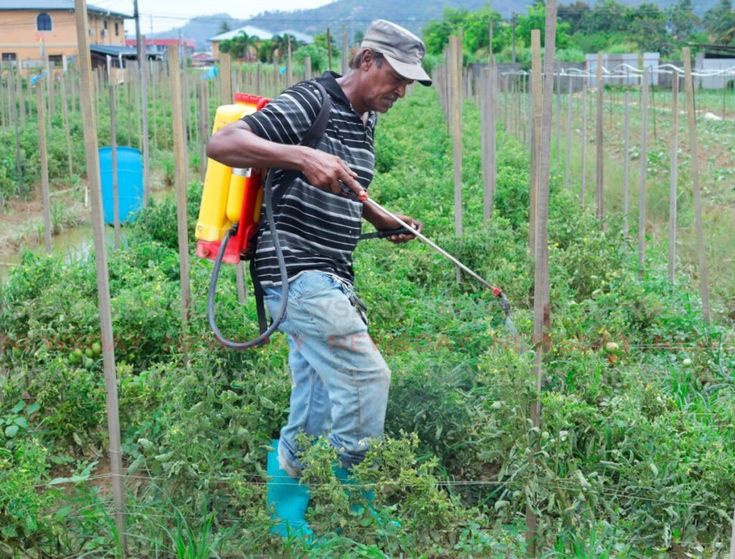
While pesticides remain an important tool in pest management, experts stress that effectiveness depends largely on timing, proper application, and understanding pest life cycles. Spraying after peak infestation periods or applying chemicals unevenly significantly reduces control effectiveness.
Integrated Pest Management (IPM) approaches continue to gain support among researchers and extension officers. These systems combine crop rotation, field scouting, sanitation practices, resistant crop varieties, and targeted chemical use to achieve more sustainable pest control and lower long-term costs.
Agricultural economists note that delayed pest control not only reduces yields but also increases production expenses. Additional pesticide applications, declining crop recovery potential, and lower output per hectare can significantly reduce profitability.
Experts are therefore urging farmers to strengthen monitoring programmes and prioritise prevention. They maintain that the greatest advantage in pest control comes from identifying problems early and disrupting pest populations before they cause irreversible crop damage.