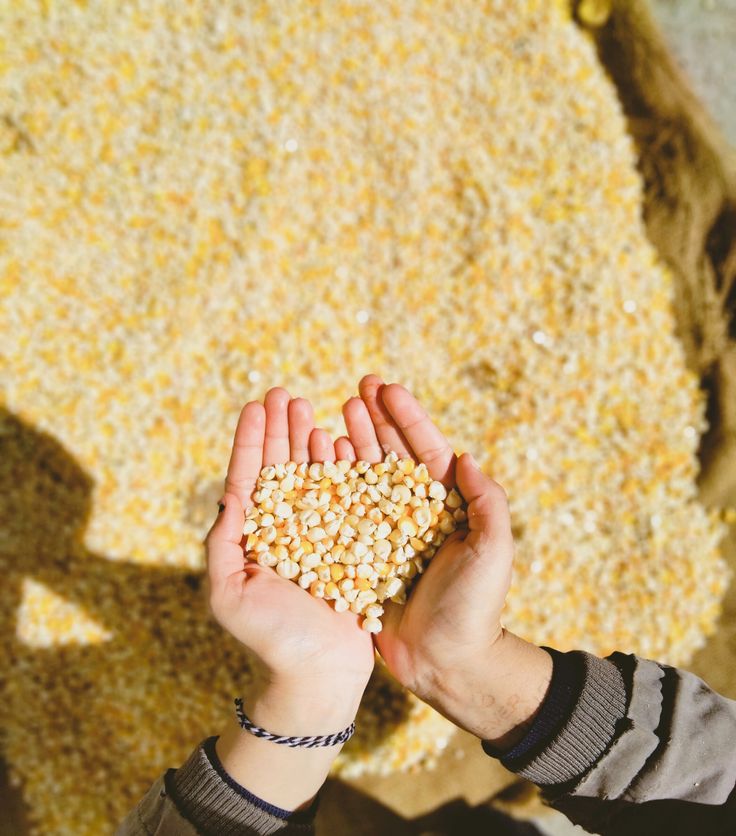
The maize crop alone is now forecast at more than 17 million tonnes — well above the roughly 12 million tonnes South Africa consumes domestically each year, according to Wandile Sihlobo, chief economist at the Agricultural Business Chamber of South Africa. That leaves an estimated 5 million tonnes available for export, with the Free State, Mpumalanga, and North West provinces together expected to produce 82 percent of the national crop.
White maize production is forecast at 9.28 million tonnes and yellow maize at nearly 8 million tonnes, with average yields of 5.58 and 7.58 tonnes per hectare respectively. Soybean production has also hit record territory, with the Crop Estimates Committee forecasting 2.8 million tonnes for the season — a milestone that arrives at a particularly opportune moment for South African exporters.
China Waives Import Duties — And Farmers Are Watching Closely
According to the South African Cereals and Oilseeds Trade Association, China's decision to waive import duties on African agricultural products could meaningfully boost South Africa's soybean export prospects, potentially opening a significant new market for a crop that has typically been sold mostly into domestic and regional channels. Sacota said the association first confirmed expectations of record maize and soybean production back in April, when a mid-summer drought in late January and early February initially raised concerns before rains returned in time to protect the bulk of the crop.
The record harvest has already started reshaping price expectations, with record production typically bringing downward pressure on domestic grain prices even as it opens up larger export volumes — a trade-off South African grain farmers are watching closely as marketing decisions for the season take shape.
Sponsored
The Harvest on the Ground
Out in South Africa's maize belt, the harvest itself has told a more uneven story than the national totals suggest. Farmers in the Free State's Hertzogville district and North West's Sannieshof district report yields ranging from as low as 3 tonnes per hectare to more than 8 tonnes per hectare depending on local conditions, according to farmers who spoke to African Farming. Grain SA's head of applied economics and member services, Corné Louw, noted fewer complaints this season about grain grading issues, with 95 percent of the white maize crop and 93 percent of yellow maize classified as grade 1 — a meaningfully cleaner harvest than the previous season. As of early August, roughly 36 percent of the white maize crop and 52 percent of the yellow maize crop had already been delivered to silos.
The Wider Regional Picture
South Africa isn't alone in reporting a strong season. Zambia has forecast its own maize output at 4.938 million tonnes, the highest harvest in the country's recorded history, according to the Zambia Statistics Agency, while Zimbabwe projects a 2 percent increase in production compared with the previous season. Across the wider Southern Africa region, favourable rainfall throughout the 2025/26 cropping season has pushed most national harvest forecasts above their five-year averages, according to the FAO's March Crop Prospects and Food Situation report — a notably different picture from the drought-driven shortfalls that hit parts of the region in recent years.
Zimbabwe has also notched a smaller but symbolically significant export win this month, with the country's blueberry industry beginning direct exports to China on 7 July, followed two days later by the announcement of a new direct air route between Harare and London Gatwick — infrastructure that should meaningfully shorten the logistics chain for Zimbabwean fresh produce heading to both Asian and European markets.
Taken together, this season's numbers point to Southern Africa entering its grain marketing period with unusually large surpluses across multiple countries simultaneously — a dynamic that farmers, traders, and regional buyers are all factoring into pricing and export planning as the 2026/27 season approaches.