Feed remains the single largest operating expense for most livestock enterprises across Africa, often accounting for between 60 and 80 percent of total production costs depending on the production system and species. Whether raising beef cattle in Botswana, dairy cows in Kenya, sheep in Namibia, goats in Ethiopia or pigs in Zambia, farmers are facing rising feed prices driven by climate variability, increasing grain demand and fluctuating input costs. As a result, improving feed efficiency has become one of the most practical ways to increase profitability without necessarily expanding herd size.
While many producers focus on sourcing quality feed or improving animal genetics, a significant amount of money is often lost through feed shrink—the reduction in feed quantity or quality between the time it is purchased or produced and the moment it is consumed by livestock. Feed shrink occurs through spillage, poor storage, pest infestations, mould growth, wind loss, moisture damage and inaccurate weighing. Although these losses may seem insignificant on a daily basis, they accumulate over months and can substantially reduce farm profitability.
Across Southern, Eastern and West Africa, commercial feedlots and smallholder farmers alike are recognising that reducing feed losses is one of the quickest ways to improve production efficiency. Every kilogram of feed that is wasted represents lost income, particularly during periods of drought when feed resources become scarce and more expensive.
One of the primary causes of feed shrink is poor storage. Feed ingredients exposed to rain, excessive sunlight or high humidity can quickly deteriorate, losing both nutritional value and palatability. Mould contamination not only reduces feed quality but can also expose livestock to harmful mycotoxins that affect growth, reproduction and overall health. Proper storage facilities with waterproof roofing, adequate ventilation and raised flooring help protect valuable feed resources from moisture damage.
Rodents and birds also contribute significantly to feed losses on many farms. Feed stores that are not properly sealed provide easy access for pests, which consume feed and contaminate the remaining stock with droppings and urine. Implementing simple biosecurity measures such as regular cleaning, sealing storage areas and controlling rodent populations can significantly reduce these avoidable losses.
Handling practices play an equally important role. Feed that is repeatedly transferred between storage bins, trailers and feeding equipment can be lost through unnecessary spillage. Worn augers, damaged feed mixers and poorly maintained feeding equipment may result in substantial losses that often go unnoticed. Regular maintenance of machinery and careful handling during loading and unloading help minimise waste while ensuring that animals receive consistent rations.
Many livestock specialists also encourage farmers to calibrate weighing equipment regularly. Inaccurate scales may lead to overfeeding or underfeeding, both of which reduce profitability. Overfeeding increases feed costs without necessarily improving animal performance, while underfeeding slows growth rates and reduces milk production, fertility and overall productivity. Accurate weighing enables farmers to formulate balanced rations that meet nutritional requirements without unnecessary waste.
Sponsored
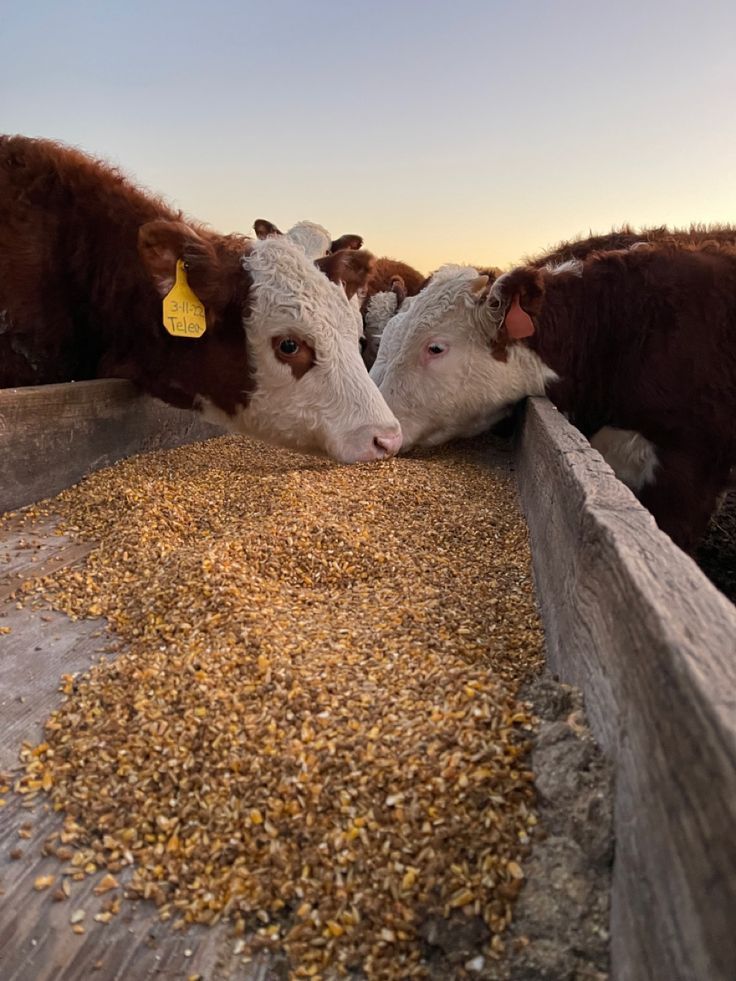
Feed bunk management is another area where producers can make immediate improvements. Offering excessive quantities of feed often leads to animals sorting ingredients, trampling feed or leaving uneaten material that eventually spoils. By monitoring feed refusals daily and adjusting feeding rates accordingly, farmers can improve feed utilisation while maintaining animal performance. Feed bunks should also be cleaned regularly to remove spoiled or contaminated feed before fresh rations are provided.
Silage and hay production have become increasingly important strategies for reducing feed costs across many African countries. Conserving forage during the rainy season allows farmers to build reserves for the dry months when natural grazing becomes limited. However, poorly made silage can result in substantial nutrient losses if harvested too late, compacted inadequately or exposed to air during storage. Investing time in proper forage conservation techniques helps preserve nutritional value and reduces the need for expensive purchased feeds during periods of shortage.
Precision feeding is another emerging opportunity for larger commercial operations. By grouping animals according to age, weight or production stage, farmers can provide diets that closely match nutritional requirements rather than feeding a single ration to the entire herd. This improves feed conversion efficiency while reducing unnecessary feed expenditure. Although sophisticated feeding technologies are becoming more common on commercial farms, many smallholder farmers can achieve similar benefits through simple observation, record-keeping and consultation with livestock extension officers.
Water availability should also be considered when discussing feed efficiency. Livestock require constant access to clean drinking water to maximise feed intake and digestion. Animals suffering from water shortages often consume less feed, resulting in reduced growth rates and lower productivity. Maintaining clean water troughs and ensuring reliable water supplies is therefore an essential component of efficient feeding systems.
Keeping accurate records allows farmers to identify hidden losses that might otherwise remain unnoticed. Recording feed purchases, daily consumption, animal performance and storage conditions provides valuable information for evaluating efficiency and identifying areas for improvement. Over time, these records enable producers to make informed decisions that improve profitability while reducing unnecessary expenses.
Reducing feed losses is not simply about saving money—it also contributes to environmental sustainability. Efficient feed utilisation reduces pressure on land, water and feed resources while lowering the carbon footprint associated with livestock production. As Africa's livestock industry continues to grow, improving feed management will become increasingly important for achieving both economic and environmental sustainability.
Whether managing a commercial feedlot or a small mixed farm, every livestock producer can benefit from reviewing current feeding practices. Small improvements in storage, handling, feeding management and record-keeping can collectively deliver substantial financial returns while supporting healthier, more productive animals.