Across Africa, a quiet agricultural revolution is taking place in backyard gardens, small farms, and community fields. Indigenous vegetables—once overshadowed by imported crops—are regaining attention as countries search for sustainable solutions to malnutrition and climate change.
In countries such as Kenya, Nigeria, and Uganda, traditional vegetables like amaranth, African nightshade, okra, jute mallow, and pumpkin leaves are becoming increasingly important in both rural and urban diets. These crops are not only nutritious but also highly adaptable to local climates and resistant to drought conditions.
In Nigeria, vegetables such as ugu (fluted pumpkin) and ewedu are widely consumed and are now being promoted through agricultural extension programs to improve household nutrition. In Kenya, amaranth and African kale are gaining popularity in urban markets due to their short growth cycles and high nutritional value.
Researchers from IITA and local agricultural institutions have emphasized that indigenous vegetables play a critical role in addressing micronutrient deficiencies, particularly among children and women. These crops are rich in vitamins A and C, iron, and calcium, nutrients that are often lacking in staple-heavy diets.
Sponsored
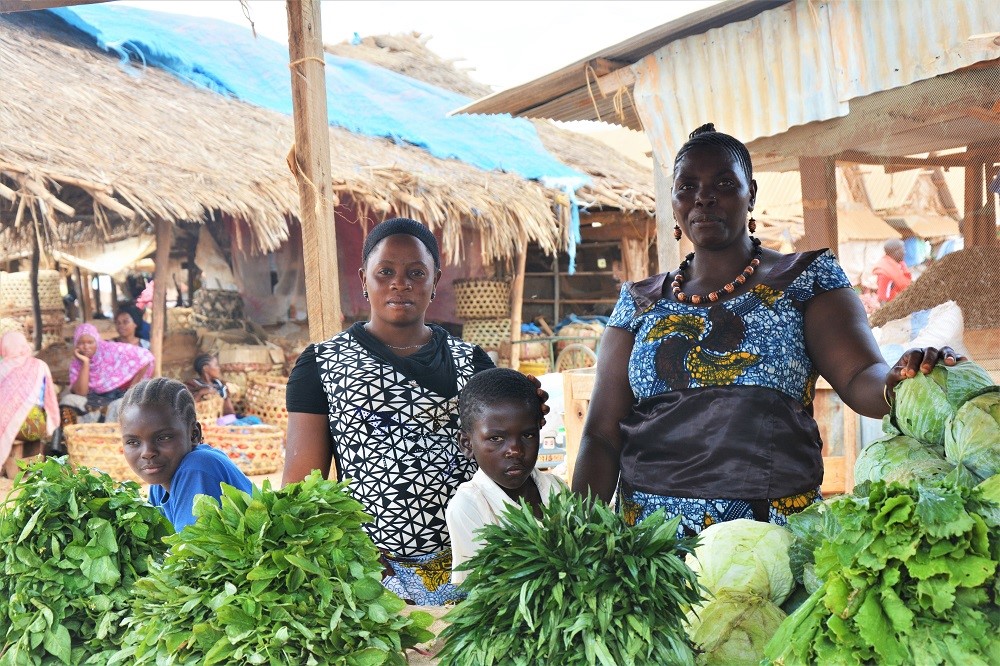
Beyond nutrition, indigenous vegetables offer economic opportunities. In urban centers such as Nairobi, Lagos, and Kampala, demand for traditional vegetables is rising in supermarkets, restaurants, and local markets. This has created income opportunities for smallholder farmers, particularly women, who dominate vegetable production and trade.
However, challenges remain. Indigenous vegetables often receive less research attention compared to major staple crops. Seed systems are underdeveloped, and post-harvest losses remain high due to limited storage and processing facilities.
Despite these challenges, interest in traditional crops is growing. Governments and research institutions are increasingly investing in seed improvement, market development, and awareness campaigns to promote indigenous vegetables as part of national food security strategies.
As Africa continues to urbanize and face climate uncertainty, these crops may play a much larger role in future food systems than previously recognized.