Stronger cattle production begins with better management
Cattle farming remains an important part of Zambia’s agricultural economy, supporting household livelihoods through the sale of animals, meat and, in some production systems, milk. However, keeping cattle productive requires more than maintaining a large herd. Animal health, reliable access to water, sufficient feed and good daily management all influence the performance and profitability of a livestock enterprise.
Recent research on livestock farmers in Mazabuka District highlights the pressure that drought can place on production. Farmers reported challenges including water shortages, declining grazing availability, livestock diseases and reduced milk and meat output. These pressures show why preparation and consistent herd management are essential for livestock producers.
Feed and water shortages can reduce productivity
When grazing becomes scarce, cattle may lose body condition, grow more slowly and become less productive. Animals that lack adequate water can also experience heat stress and reduced feed intake, affecting growth, reproduction and milk production.
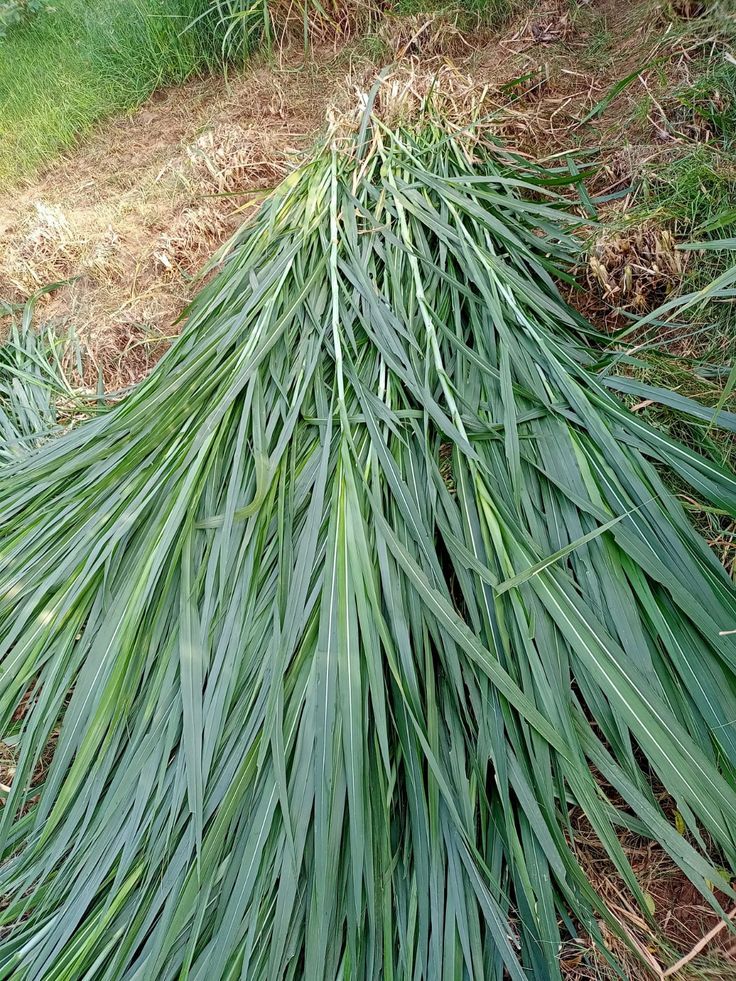
Farmers can reduce these risks by identifying reliable water sources, repairing leaking troughs and planning how animals will access water during dry periods. Where practical, they can also conserve suitable forage during the rainy season through haymaking or silage production.
Feed reserves should be prepared before pasture conditions deteriorate. Farmers should select forage crops and storage methods suited to their location, resources and livestock needs. Stored feed must be kept dry and protected from mould and contamination.
Sponsored
screening.
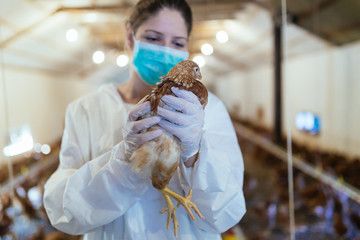
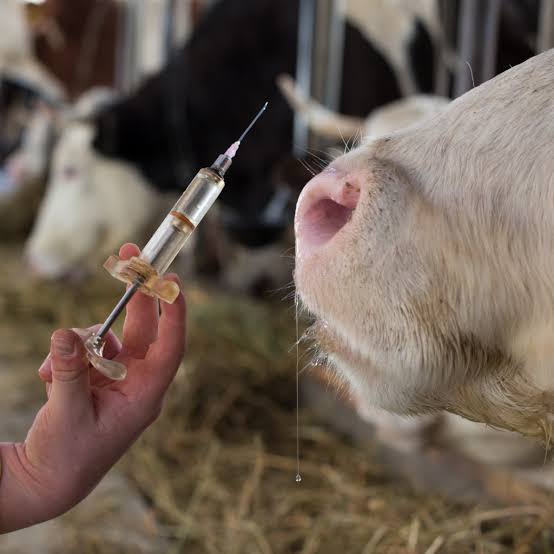
Clean housing, suitable handling facilities and good hygiene can further support herd health. Farmers should avoid using veterinary medicines without appropriate guidance and observe withdrawal periods for meat and milk where applicable.
Better breeding and records can improve herd performance
Improving cattle productivity does not always mean increasing herd size. Farmers can make better decisions by keeping simple records of births, deaths, treatments, breeding, sales and feed costs.
These records help identify productive animals, recognise recurring health problems and calculate whether the enterprise is generating a return. Breeding decisions should match the farm’s feed resources, climate, management capacity and market needs. A breed that performs well under intensive feeding may not be the most suitable choice for a farm with limited feed or water.
Preparing for the dry season
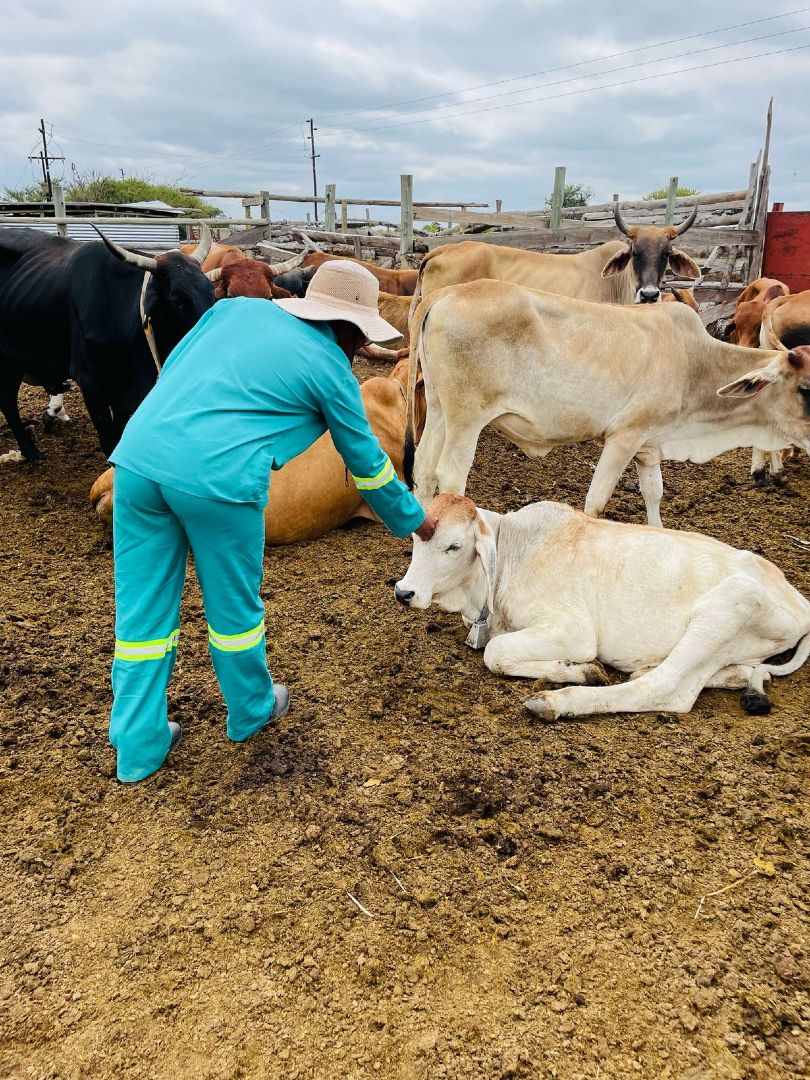
A practical livestock plan should be developed before shortages become severe. Farmers can assess available grazing, estimate feed requirements, organise water access and consult local livestock officers about disease prevention. Where necessary, they can also consider adjusting herd size responsibly to avoid keeping more animals than available resources can support.
For Zambia’s cattle farmers, stronger productivity begins with sound everyday management. Protecting animal health, preparing feed reserves, planning for water shortages and keeping reliable records can help reduce avoidable losses and strengthen the long-term viability of livestock enterprises.