In many parts of Africa, a successful harvest can be lost in a matter of weeks—not because of drought or poor soil, but because of pests and plant diseases. From fall armyworm outbreaks in Zambia and Ghana to cassava brown streak disease in East Africa, crop health threats continue to undermine agricultural productivity and rural livelihoods.
Institutions such as IITA have placed plant health at the center of agricultural research, recognizing that protecting crops is just as important as improving yields. Through integrated pest management strategies, early warning systems, and farmer education, African countries are gradually strengthening their ability to respond to biological threats.
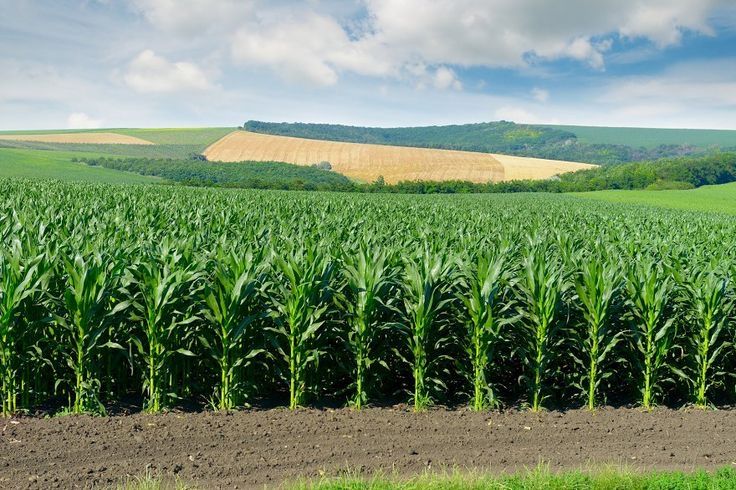
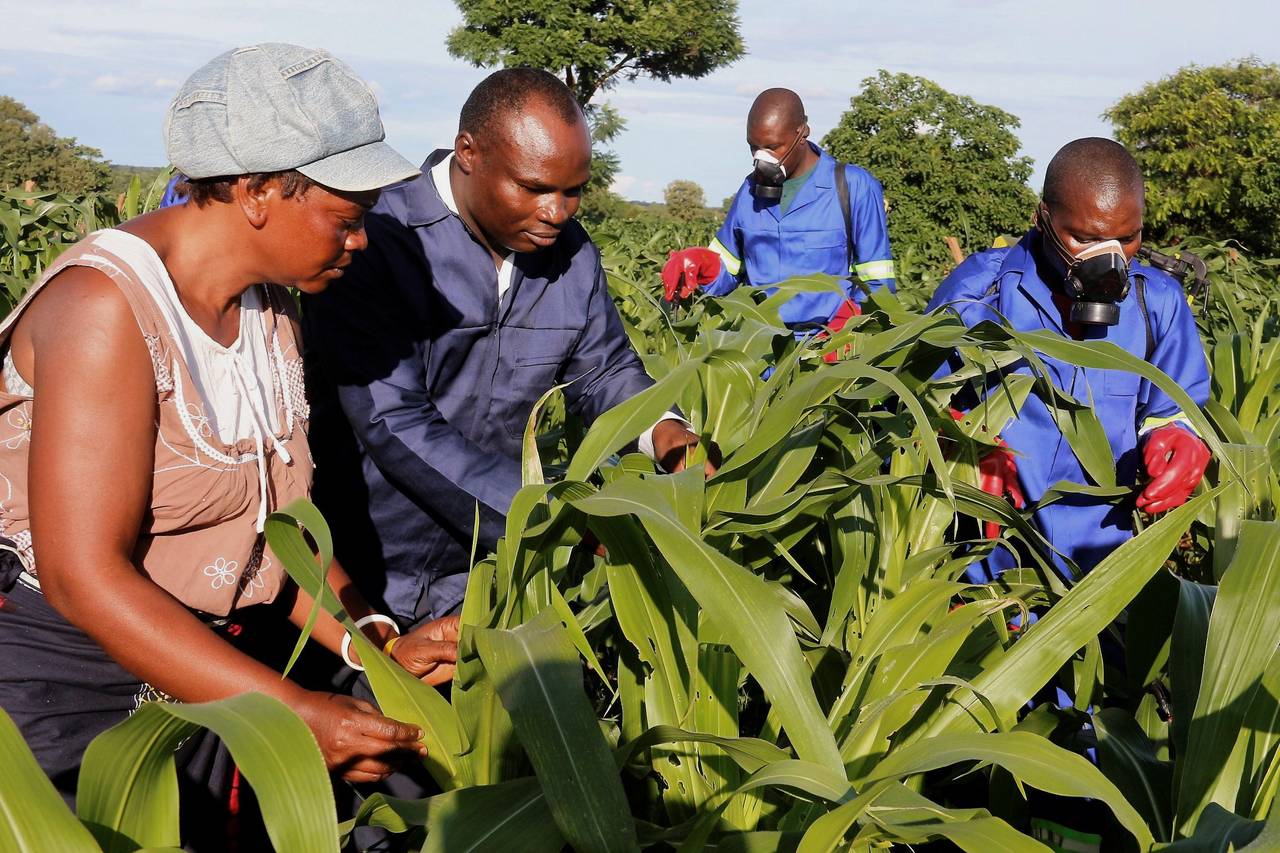
In Zambia, for example, fall armyworm infestations have forced farmers to rethink maize production strategies. Extension services supported by international research organizations have introduced environmentally friendly control methods, reducing reliance on harmful chemical pesticides while improving effectiveness.
In Nigeria, cassava farmers have benefited from disease-resistant varieties and rapid diagnostic tools that help detect infections early. This has reduced losses and improved food availability in rural households where cassava is a staple.
Sponsored
Plant health challenges are not limited to pests. Soil-borne diseases, invasive weeds such as striga (witchweed), and post-harvest contamination also threaten food systems. In countries like Mali and Burkina Faso, striga infestation has significantly reduced cereal yields, affecting food security in already vulnerable regions.
To address these challenges, integrated approaches are being promoted. These include combining resistant crop varieties, biological pest control, improved agronomic practices, and farmer training. According to FAO, such integrated pest management systems are more sustainable and cost-effective in the long term compared to heavy chemical use.
Another important innovation is digital agriculture. Mobile-based platforms in Kenya and Ghana are helping farmers receive real-time alerts about pest outbreaks and weather conditions. This allows for faster response and reduces crop losses.
However, challenges remain significant. Limited extension services, lack of awareness, and poor access to inputs continue to slow progress in many rural areas. Strengthening national plant health systems remains a priority across the continent.
Ultimately, protecting Africa’s crops is not just a technical issue—it is a food security necessity. Without healthy plants, even the most productive seeds cannot deliver results. Plant health systems therefore form a critical foundation for Africa’s agricultural future.