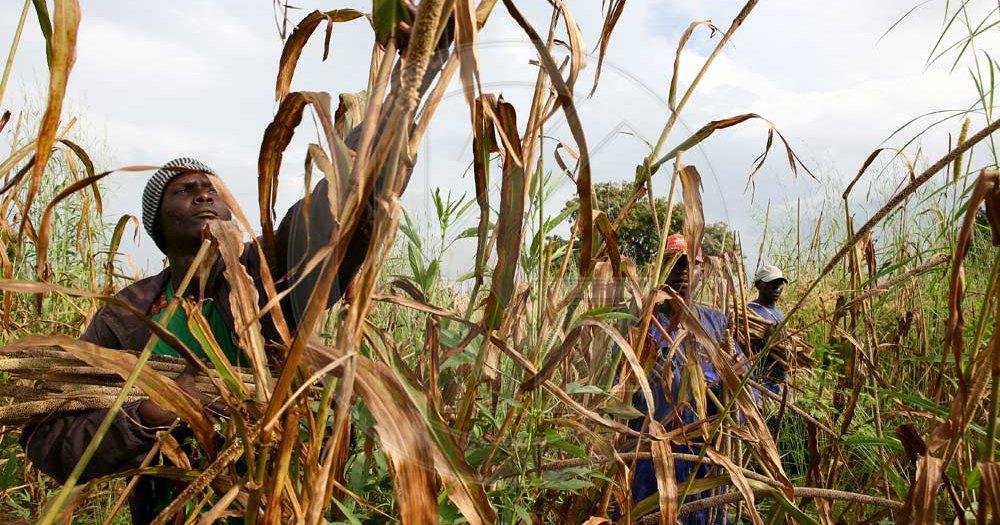
In western Senegal, a simple mobile savings tool is helping smallholder farmers afford the inputs that once felt out of reach — and the results are showing up in the fields.
For Khady Diouf, a farmer in Medine, in Senegal's Thiadiaye area, the difference has been stark. Her millet field once produced around 30 kilograms from a given plot. Today, from the same ground, she harvests roughly double that. The change wasn't down to better rains or good fortune — it came from finally being able to afford drought-resistant seeds, quality fertiliser, and training in climate-smart farming techniques.
The Barrier Wasn't Knowledge — It Was Cash Flow
Across West Africa, one of the biggest obstacles smallholders face isn't a lack of know-how; it's the simple challenge of having enough cash at planting time to buy good inputs, before any harvest has come in to generate income. Fertiliser and improved seed vendors typically want payment upfront, at exactly the point in the season when farmers have the least cash on hand.
That's the gap a Senegal-based social enterprise, myAgro, was built to close. Founded in 2011, myAgro lets farmers save gradually over six to eight months using their mobile phones, effectively laying away the cost of next season's inputs in small increments rather than needing a lump sum at planting time. Critically, prices are locked in at the start of the saving period, protecting farmers from the seasonal price spikes that often hit right when demand — and desperation — is highest.
Sponsored
A Model That's Spreading
Diouf's experience mirrors a wider pattern taking shape across West Africa's smallholder sector: improved access to inputs plus practical training is proving to be one of the most reliable ways to lift yields, without requiring farmers to expand their land or take on debt they can't service.
The timing matters. Elsewhere in the region, a five-year regional breeding effort has just released 68 new climate-smart vegetable varieties across Benin, Mali, and Burkina Faso — nearly doubling the number of officially recognised vegetable varieties available to farmers there, with better pest resistance and higher yields built in. Combined with financing tools like myAgro's layaway model, the pieces are increasingly in place for smallholders to access both better seed and the means to actually pay for it.
Why It Matters Beyond One Farmer's Field
Stories like Diouf's are a reminder that transformation in African agriculture doesn't always require enormous capital projects or new machinery. Often it comes down to solving a much more basic problem: giving a farmer a realistic way to save for what she already knows she needs. For a continent where a large share of farmers work plots under two hectares, tools that fit around a smallholder's actual cash flow — rather than demanding it conform to a supplier's payment terms — may end up being some of the most quietly powerful investments in the sector.