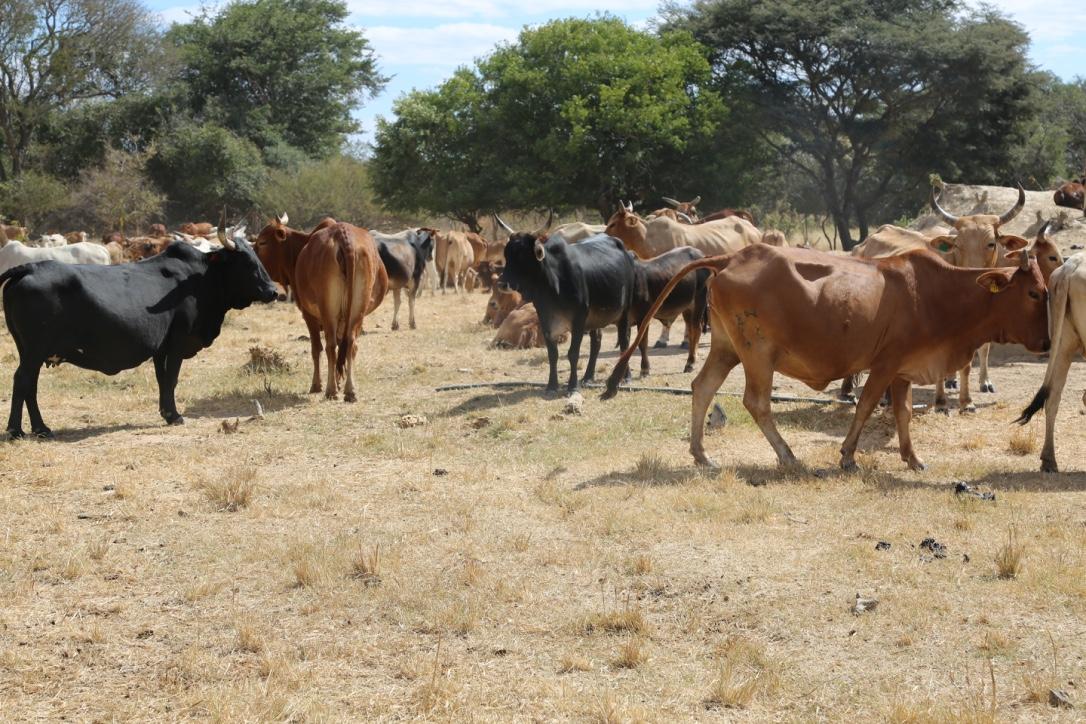
For livestock farmers across Africa, the arrival of the dry season often signals one of the most challenging periods of the year. As rainfall declines and natural pastures become dry and fibrous, the nutritional value of grazing lands falls significantly. In countries such as Zambia, Zimbabwe, Botswana, Namibia, Kenya, Tanzania and parts of South Africa, seasonal shortages of quality forage regularly reduce livestock productivity, leading to weight loss, poor reproductive performance and lower milk production.
Climate variability has made these challenges even more pronounced. Extended droughts and unpredictable rainfall patterns are shortening grazing seasons and placing increasing pressure on available pasture resources. For many farmers, particularly smallholder producers who rely heavily on natural grazing, poor-quality forage has become a recurring obstacle to maintaining healthy and productive herds. Fortunately, livestock nutrition specialists emphasise that careful planning and strategic supplementation can significantly reduce the impact of seasonal feed shortages.
As grasses mature during the dry season, they become higher in fibre and lower in protein, energy and essential minerals. Although livestock may continue grazing, they consume feed with much lower nutritional value. This reduces feed intake and limits the ability of rumen microorganisms to digest forage efficiently. As a result, animals often lose body condition even when pasture appears plentiful.
Cattle are particularly affected because poor nutrition reduces growth rates, delays reproductive cycles and lowers milk yields. Goats and sheep may tolerate dry conditions better than cattle, but they too experience reduced productivity when dietary protein and energy become insufficient. Young animals and pregnant or lactating females are especially vulnerable because of their higher nutritional requirements.
One of the most effective strategies for managing poor-quality forage is conserving feed during the rainy season. Producing hay from excess pasture allows farmers to store valuable forage for later use when grazing becomes scarce. Similarly, silage made from maize, sorghum or other forage crops provides a nutritious reserve that can help maintain animal performance during prolonged dry periods. Proper harvesting, storage and handling are essential to preserve nutritional quality and minimise spoilage.
Protein supplementation is another important management practice. Since mature grasses contain limited protein, farmers can improve rumen function by providing protein-rich feeds such as sunflower cake, cottonseed cake, soybean meal or leguminous forage crops like lucerne and lablab where available. These supplements help rumen microbes digest fibrous forage more effectively, allowing livestock to extract greater nutritional value from available grazing.
Energy supplementation may also be necessary, particularly for dairy cattle, growing animals and breeding stock. Maize grain, sorghum, barley and formulated concentrate feeds can provide additional energy when pasture quality declines. However, livestock specialists advise introducing concentrates gradually and balancing rations carefully to avoid digestive disorders while maximising feed efficiency.
Sponsored
Mineral nutrition is frequently overlooked during the dry season, yet deficiencies can have a significant impact on livestock health and productivity. Many African soils are naturally deficient in essential minerals such as phosphorus, copper, zinc and selenium, which affects the nutritional quality of pasture. Providing mineral blocks or formulated mineral supplements helps maintain immune function, fertility and growth while supporting overall herd health.
Water management is equally important. During hot weather, livestock require greater quantities of clean drinking water to regulate body temperature and digest dry forage effectively. Water shortages reduce feed intake and accelerate weight loss. Farmers should therefore ensure reliable access to clean water throughout the dry season while maintaining water points in good condition.
Rotational grazing offers another practical solution for improving pasture utilisation. Instead of allowing continuous grazing across the entire farm, dividing grazing areas into paddocks allows vegetation time to recover while reducing overgrazing. Improved grazing management promotes stronger pasture growth during the rainy season and helps maintain forage availability for longer periods during the dry months.
Many livestock farmers are also integrating drought-tolerant forage crops into their production systems. Species such as brachiaria, forage sorghum, pigeon pea and drought-resistant legumes have demonstrated good performance under challenging climatic conditions in several African countries. These forages provide valuable alternatives when natural pastures fail to meet livestock nutritional requirements.
Regular monitoring of animal body condition enables farmers to respond quickly when nutritional problems begin to develop. Body condition scoring provides a simple and practical method for assessing whether animals are maintaining adequate reserves or require additional supplementation. Early intervention is generally more effective and less costly than attempting to restore severely weakened animals later in the season.
Extension services, veterinary professionals and livestock nutritionists continue to encourage farmers to develop annual feeding plans rather than responding only after feed shortages occur. Estimating forage production, calculating herd feed requirements and conserving surplus forage during favourable seasons enable producers to prepare for dry periods with greater confidence.
Managing poor-quality forage is no longer simply a matter of surviving the dry season—it has become an essential component of climate-resilient livestock farming. Producers who invest in forage conservation, balanced supplementation and improved grazing management are better positioned to maintain productivity, reduce financial losses and strengthen the resilience of their farming enterprises despite increasingly unpredictable weather conditions.