nutritionJuly 27, 2026

Kenya's Millers Launch Consumer Campaign on Fortified Flour

Staff Writer

Author

134

Views

Kenya's Millers Launch Consumer Campaign on Fortified Flour

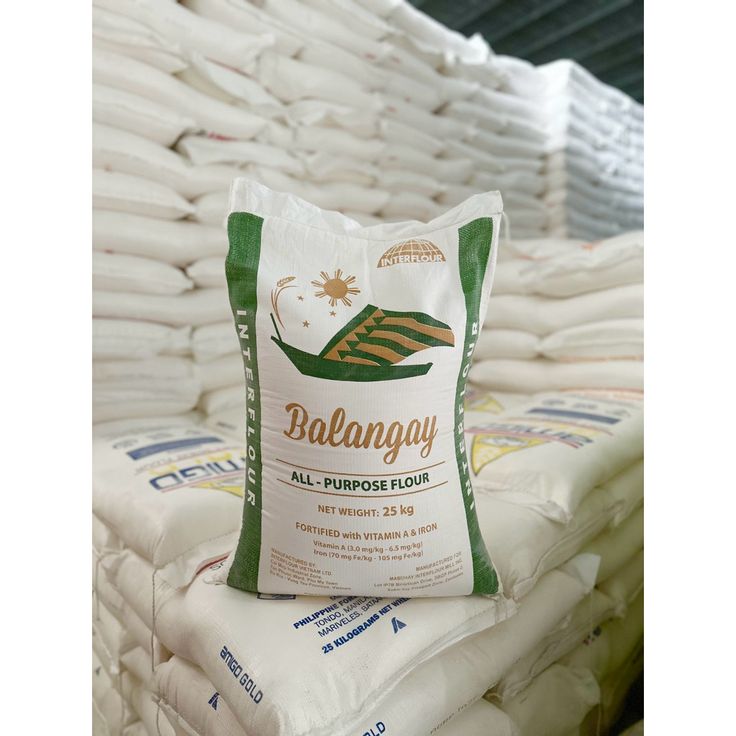
Kenya's Cereal Millers Association has launched a consumer campaign encouraging households to choose fortified flour and pulses, building on the country's decades-old fortification programme.

Kenya's Cereal Millers Association (CMA) has launched a consumer awareness campaign called 'Chagua Safe, Chagua Smart' (Choose Safe, Choose Smart), encouraging Kenyan households to pay closer attention to the fortification of everyday staples such as flour and pulses. The campaign builds on Kenya's long-running food fortification programme, which made maize and wheat flour, edible oils and fats fortification compulsory in 2012 following mandatory salt iodisation introduced as far back as 1978.

Kenya's Ministry of Health has separately reaffirmed its commitment to strengthening fortification compliance, telling a high-level panel at the World Health Assembly in Geneva that the country has made significant progress on maize and wheat fortification through government leadership, industry collaboration and investment in quality assurance systems. Officials say more than 80 percent of wheat flour and 87 percent of vegetable oil consumed in Kenya is now fortified, with rice fortification also being scaled up in partnership with international nutrition organisations to reduce the country's broader burden of micronutrient deficiency.
SW

Staff Writer

Agricultural journalist and expert covering farming practices and agribusiness across Africa.

Related Articles

Flour Got Fortified. Cooking Oil and Sugar Are Still Waiting — Africa's Uneven Fortification Progress

nutrition

Flour Got Fortified. Cooking Oil and Sugar Are Still Waiting — Africa's Uneven Fortification Progress

Micronutrient deficiencies affect an estimated 2 billion people globally, with sub-Saharan Africa carrying a disproportionate share of the burden — iron, vitamin A, iodine, zinc, calcium, selenium, folate and vitamin B12 deficiencies remain widespread across the region. Large-scale food fortification, the practice of adding these micronutrients to commonly consumed, industrially processed foods, has long been considered one of the most cost-effective tools available to address the problem at a population level

Staff WriterAug 29, 2026

The Invisible Toxin in Africa's Maize and Groundnuts — And the Farm-Level Fix Now Spreading Across West Africa

nutrition

The Invisible Toxin in Africa's Maize and Groundnuts — And the Farm-Level Fix Now Spreading Across West Africa

It cannot be seen, smelled or tasted, yet it may be one of the biggest hidden threats to food safety and child nutrition across Africa. Aflatoxin — a toxic compound produced by the fungi Aspergillus flavus and Aspergillus parasiticus — contaminates maize and groundnuts at both the pre-harvest and post-harvest stages, and is classified as carcinogenic, mutagenic and capable of causing developmental harm, with particularly severe consequences for young children's growth and immune function.

Staff WriterAug 29, 2026

Zimbabwe Gets Its First Iron-Rich Pearl Millet — A Small Grain With a Big Nutrition Target

nutrition

Zimbabwe Gets Its First Iron-Rich Pearl Millet — A Small Grain With a Big Nutrition Target

Researchers at the International Crops Research Institute for the Semi-Arid Tropics have released the first-ever biofortified pearl millet varieties specifically bred for Zimbabwe and the wider East and Southern Africa region. The two new varieties, named Iniadi Composite 1501 and ICMP 177003, carry naturally elevated levels of iron and zinc

Staff WriterAug 18, 2026