Building a more productive dairy sector
Dairy farming is an important source of income and employment in Kenya, where smallholder farmers supply a substantial share of the country’s milk. The sector supports rural livelihoods and provides raw material for processors producing fresh milk, yoghurt, butter and other dairy products.
However, higher production does not automatically translate into higher profits. Farmers must manage feed expenses, animal health, breeding and milk quality while ensuring that their products reach buyers in good condition.
Recent reporting on Kenya’s dairy sector has highlighted efforts to improve productivity and strengthen milk collection and quality standards. These developments underline an important message for farmers: sustainable dairy growth depends on producing milk efficiently and meeting the requirements of the market.
Feed quality is central to milk production
Feeding is one of the most important factors influencing a dairy cow’s performance. Animals need a balanced ration that supplies sufficient energy, protein, minerals and clean water. Poor-quality feed or inconsistent feeding can reduce milk output, weaken body condition and affect reproductive performance.
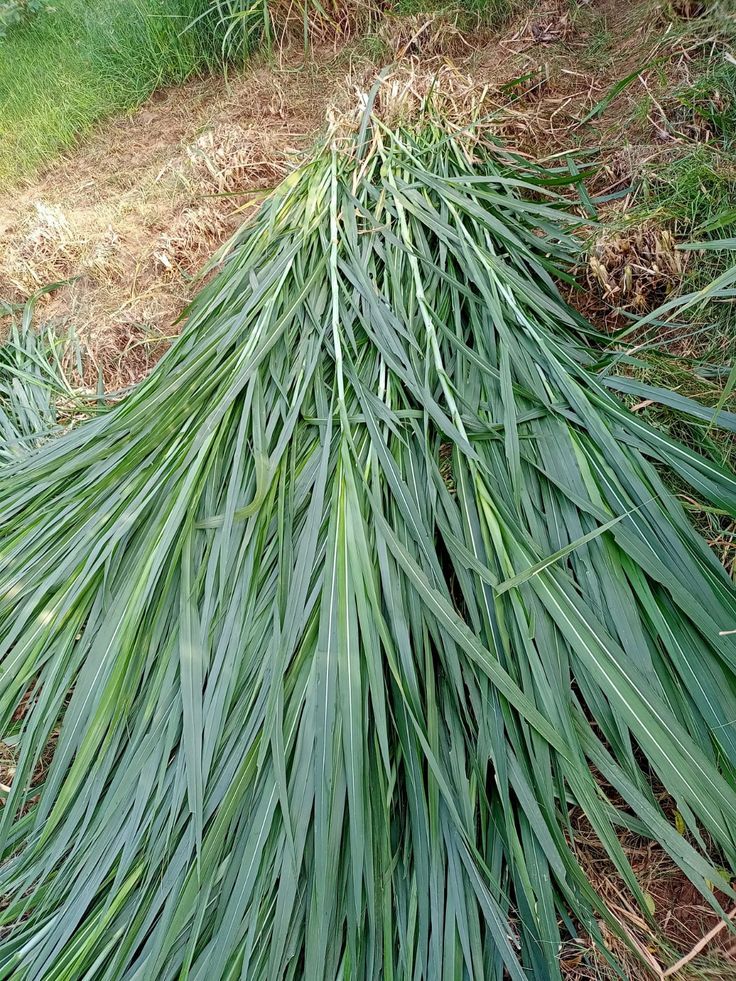
Kenyan dairy farmers can improve feed planning by combining suitable grasses and fodder crops with other locally available feed ingredients. Where conditions allow, conserving surplus forage as hay or silage can help provide feed during periods when fresh pasture is limited.
Silage quality also matters. Poor fermentation, mould and improper storage can reduce feed value and create animal-health risks. Farmers should seek guidance on harvesting forage at the right stage, preparing it correctly and storing it securely.
Before investing in expensive commercial feeds, farmers should consider their herd’s nutritional needs, compare available options and calculate the likely effect on production costs and income.
Breeding decisions should match the farm
Improved dairy genetics can contribute to higher milk production, but breed selection must be matched with the farmer’s ability to provide adequate feed, water, housing and veterinary care.
High-producing cows generally require careful nutritional and health management. Farmers should therefore consider the full cost of keeping a particular breed rather than selecting animals based on production potential alone.
Sponsored
Working with qualified breeding professionals and livestock extension officers can help farmers make informed decisions about artificial insemination, bull selection and herd improvement. Keeping records of milk yield, calving dates, fertility and health treatments can also help identify animals that perform well under the farm’s actual conditions.
Milk hygiene protects quality and market access
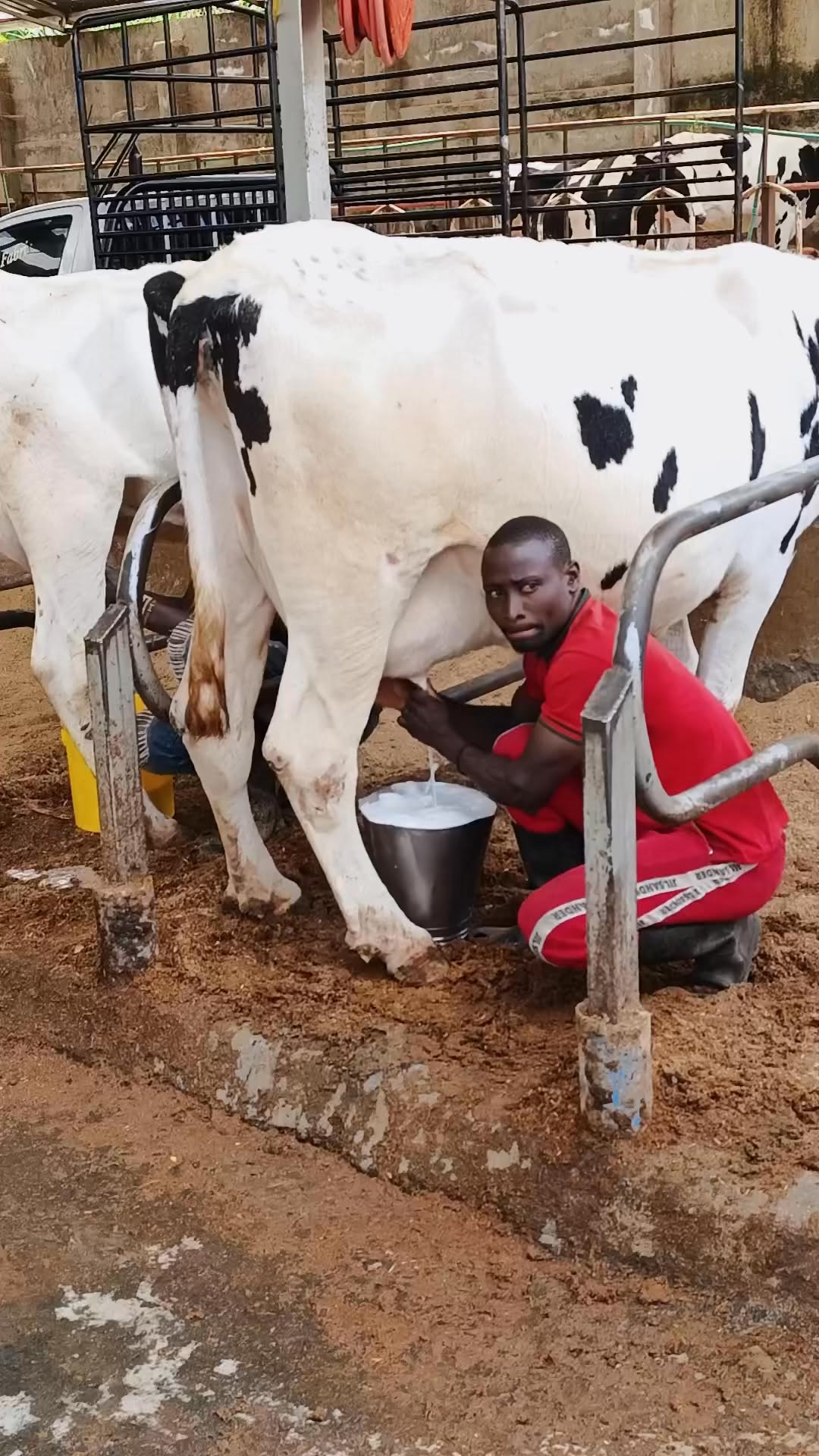
Milk quality begins on the farm. Dirty equipment, unclean hands, contaminated water and poor storage practices can introduce bacteria and shorten milk’s usable life.
Farmers should clean milking equipment thoroughly, maintain a hygienic milking area and follow recommended handling procedures. Milk should be protected from contamination and cooled promptly using suitable facilities where available.
Quality is also becoming an important consideration in how milk is marketed. Kenya has reported movement towards quality-based payment approaches that assess factors such as milk composition, hygiene and bacterial counts. Such systems can create incentives for farmers to improve handling practices, although the payment arrangements and requirements vary between buyers.
Producers should confirm the quality standards used by their cooperative or processor and understand how milk is tested, accepted and priced.
Cooperatives can strengthen the dairy value chain
Dairy cooperatives and collection centres can help smallholder farmers aggregate milk, access buyers and obtain information or services. Effective collection and cooling systems can reduce spoilage and help processors receive milk that meets required standards.
Farmers benefit most when they understand their cooperative’s payment system, delivery requirements and deductions. Clear records of litres delivered, quality results and payments received can help producers assess their earnings and identify areas for improvement.
Turning milk production into a stronger business
Dairy farmers should regularly compare milk income with expenses such as feed, labour, veterinary services, breeding and transport. This makes it easier to determine whether higher production is actually improving profitability.
Small, consistent improvements in feeding, hygiene, recordkeeping and herd health can make a meaningful difference over time. Farmers should introduce changes based on their resources and seek technical advice when considering major investments.
Kenya’s dairy opportunity is not only about producing more milk; it is about producing it efficiently, safely and consistently. By improving feed management, making suitable breeding decisions and protecting milk quality, dairy farmers can strengthen their businesses while contributing to a more reliable supply of nutritious dairy products.