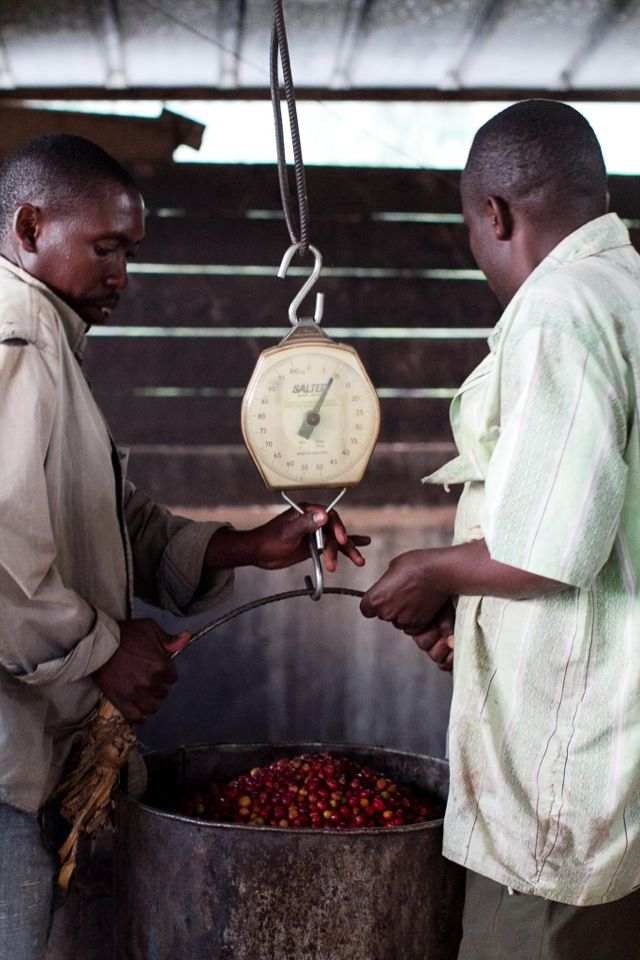
Kenya's national government has launched the Coffee Revitalization Programme in the North Rift region this week, targeting increased production and expansion into new coffee-growing areas. The initiative comes as part of a broader push to restore momentum to a crop that was once one of Kenya's most important agricultural exports but has seen production decline over recent decades due to aging trees, land fragmentation, and competition from other cash crops for the same land and farmer attention.
Expanding coffee into new growing areas within the North Rift signals officials are treating this less as a rescue operation for existing coffee farms and more as a genuine expansion strategy — betting that the region's agroecological conditions can support meaningfully more coffee acreage than is currently under cultivation.
When Drought Pushes Farmers to Switch Crops
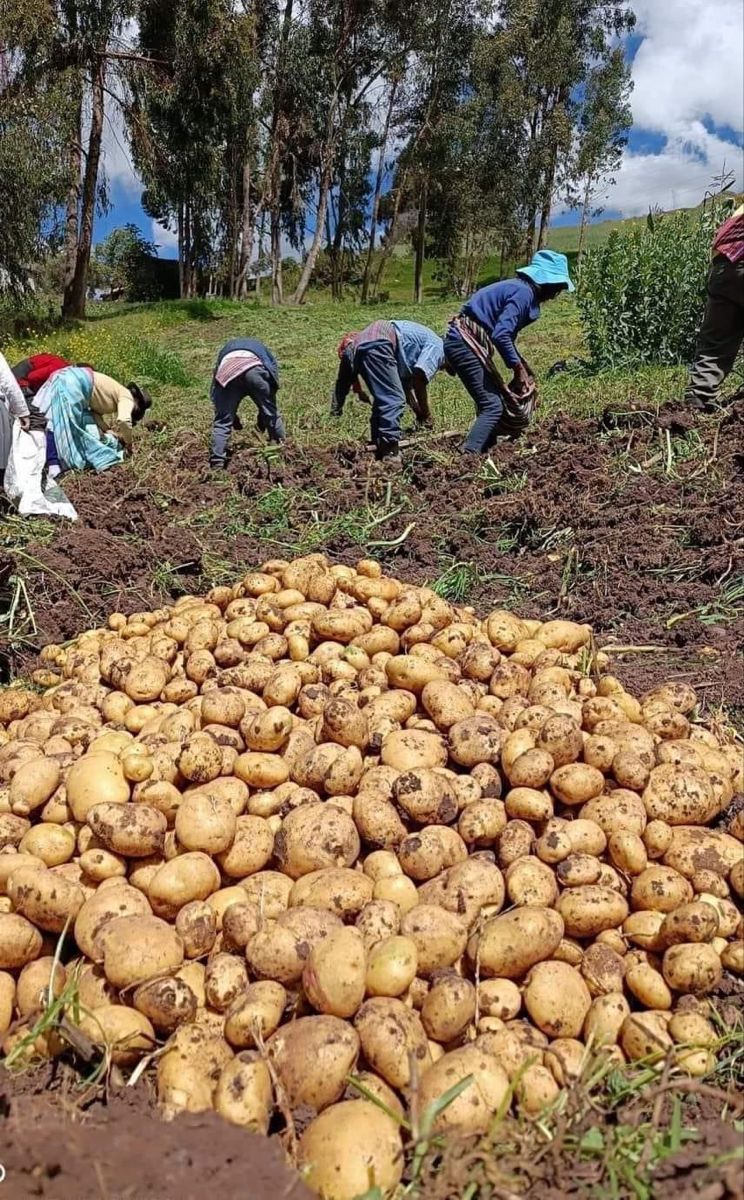
Prolonged dry spells continuing to slash maize production across the North Rift are pushing at least one farmer's story into the spotlight this week: a Uasin Gishu farmer who shifted away from traditional maize toward high-value, climate-resilient crops is now earning nearly 1 million Kenyan shillings annually from the switch. The story is being held up locally as a practical example for other maize-dependent farmers watching their yields shrink season after season as rainfall patterns become less reliable.
The underlying lesson extends well beyond one farmer's personal success: in regions where maize — long the default staple crop across much of East Africa — is becoming an increasingly risky bet under shifting rainfall patterns, diversification into higher-value, more drought-tolerant alternatives is emerging as a genuine economic strategy rather than simply a fallback option for farmers who've given up on grain.
Sponsored
Training Push in Kirinyaga
Further south, more than 2,000 farmers in Kirinyaga County have been trained this week on high-yielding maize varieties under a county government programme aimed at increasing maize production while simultaneously strengthening dairy farming in the same communities. Pairing maize variety training with dairy farming support reflects a common regional pattern: many Kenyan smallholder households run mixed crop-livestock systems, where better maize yields also mean more affordable feed and stover available for dairy cattle — making the two objectives mutually reinforcing rather than competing for farmer attention and resources.
The Regional Climate Backdrop
These local stories are playing out against warnings that already have policymakers' attention. Climate researchers have cautioned that at 2 degrees Celsius of warming, crop yields across sub-Saharan Africa could fall by roughly 10 percent, with considerably sharper declines expected if warming exceeds that threshold — a trajectory that lends real urgency to the kind of crop diversification and drought-resilient variety adoption playing out in Uasin Gishu and Kirinyaga this week.
For maize-dependent farmers across Kenya's North Rift and similar regions, this week's stories point toward two complementary strategies rather than a single fix: adopting improved, higher-yielding maize varieties where maize remains viable, and being genuinely open to diversifying into climate-resilient alternative crops where prolonged dry spells have made maize an increasingly unreliable primary income source. For coffee farmers specifically, the new revitalization programme signals renewed government attention and potential support — worth engaging with directly through county agricultural offices as programme details and eligibility criteria are rolled out further.