Africa's dairy sector is experiencing steady growth as demand for fresh milk and dairy products increases across the continent. Countries such as Kenya, Uganda, Rwanda, Ethiopia, Zambia and South Africa have invested significantly in dairy development through improved genetics, farmer training and better access to markets. While much attention is often given to milk production, breeding and nutrition, experts continue to emphasise that the future productivity of every dairy herd begins with the proper management of calves during their first days and weeks of life.
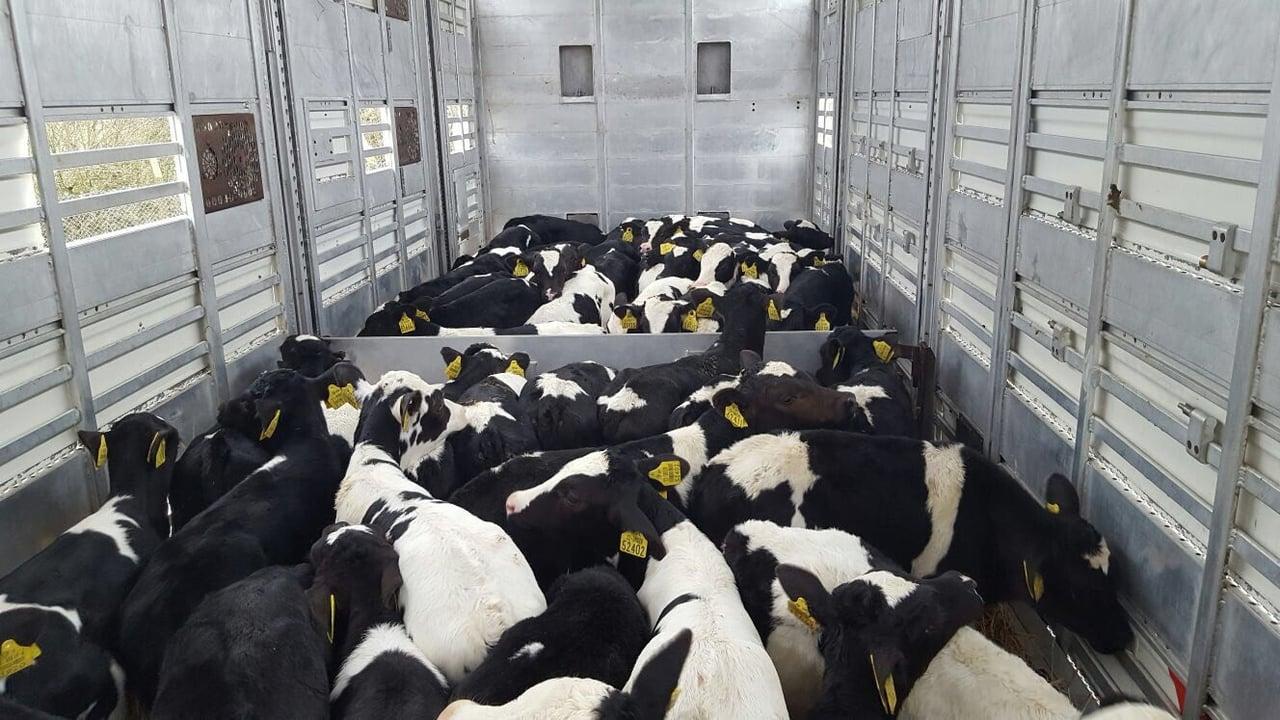
For many commercial dairy farms, breeding centres and organised smallholder dairy schemes, moving calves from one location to another has become a routine part of livestock production. Calves may be transported from breeding farms to calf-rearing units, dairy cooperatives or contract growers. However, when transport is poorly planned or calves are moved before they are physically prepared, the journey can expose young animals to unnecessary stress, dehydration and disease, ultimately affecting their future performance.
Animal health specialists note that a calf's immune system is still developing during the first weeks of life. Exposure to long transport periods, overcrowding, poor ventilation or inadequate feeding before travel can weaken the calf's natural defences and increase its susceptibility to respiratory infections, diarrhoeal diseases and poor weight gain. These challenges are particularly significant in many African regions where high temperatures, long travel distances and limited transport infrastructure can increase stress during movement.
One of the most important management practices before transporting calves is ensuring they receive sufficient high-quality colostrum shortly after birth. Colostrum contains antibodies that provide passive immunity against common diseases until the calf's own immune system becomes fully functional. Veterinary experts recommend that newborn calves receive adequate quantities of clean, high-quality colostrum within the first few hours of life to maximise antibody absorption. Calves that fail to receive enough colostrum are generally more vulnerable to disease throughout the early stages of life.
Proper hydration is another critical factor that should never be overlooked. Young calves lose body fluids rapidly during periods of stress, especially when travelling under hot weather conditions common across many parts of Africa. Providing milk or electrolyte solutions before transport, where appropriate, and avoiding unnecessary delays can significantly reduce dehydration and improve recovery after arrival.
Transport vehicles themselves also play an important role in calf welfare. Clean vehicles with adequate ventilation, non-slip flooring and sufficient space allow calves to remain stable during transit and reduce the risk of injuries. Farmers should avoid mixing calves from different farms whenever possible, as this increases the likelihood of disease transmission. Loading and unloading should be carried out calmly to minimise fear and physical stress.
Sponsored
Upon arrival at their destination, calves require immediate access to clean drinking water, suitable housing and high-quality nutrition. Housing should be dry, well ventilated and protected from extreme temperatures. Bedding should be kept clean to minimise exposure to harmful bacteria and parasites. Many successful dairy farms across Africa have adopted individual calf pens during the first weeks of life before gradually introducing group housing as calves mature.
Nutrition during early life has a direct influence on future productivity. Studies have consistently shown that calves achieving steady growth during their first months often develop into healthier cows with improved reproductive performance and higher lifetime milk production. Farmers are therefore encouraged to provide balanced milk feeding programmes alongside gradual introduction of quality calf starter feeds to stimulate rumen development.
Routine health monitoring should form part of every calf management programme. Farmers and livestock workers should regularly observe calves for signs of illness, including coughing, nasal discharge, diarrhoea, reduced appetite or abnormal behaviour. Early identification of health problems allows timely treatment and helps prevent disease outbreaks that could affect large groups of young animals.
Vaccination and biosecurity programmes should be developed in consultation with qualified veterinarians based on local disease risks. Different regions across Africa face varying livestock health challenges, making locally appropriate vaccination schedules essential. Maintaining accurate records of births, treatments, vaccinations, growth rates and transport history also enables farmers to make informed management decisions and improve herd performance over time.
As African dairy production continues to modernise, technology is increasingly supporting calf management. Electronic identification systems, digital herd management software and mobile veterinary advisory services are helping commercial farms monitor calf growth, record treatments and improve decision-making. While some technologies may be more accessible to larger farms, many practical calf management improvements require good planning rather than significant financial investment.
Smallholder dairy farmers, who contribute a substantial proportion of milk production across Africa, can also benefit from adopting improved calf management practices. Simple measures such as ensuring prompt colostrum feeding, maintaining clean housing, providing consistent nutrition and reducing unnecessary transport stress can produce noticeable improvements in calf survival and long-term productivity.
Improving calf transport and early-life management is not only an animal welfare issue but also an economic investment. Every healthy calf represents the future of the dairy herd. By reducing illness, improving growth rates and supporting better lifetime performance, farmers can strengthen profitability while contributing to a more productive and sustainable dairy industry across Africa.