Across sub-Saharan Africa, the battle for food security is increasingly being fought not only in farms, but in laboratories, research stations, and gene banks. From Nigeria’s cassava fields to Uganda’s banana plantations and Kenya’s maize belt, scientists and farmers are working together to overcome one of the continent’s most persistent challenges: low crop productivity in the face of climate change, pests, and soil degradation.
At the heart of this transformation is crop improvement—through selective breeding, biotechnology, and biofortification. Institutions such as the International Institute of Tropical Agriculture (IITA) and CGIAR research centers have been developing improved crop varieties that are reshaping what African farmers can produce and how reliably they can produce it.
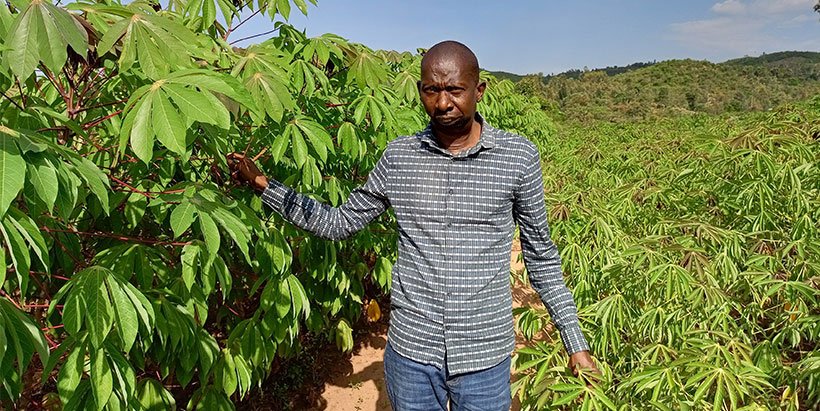
In Nigeria, improved cassava varieties have significantly boosted yields and disease resistance, particularly against cassava mosaic disease, which once devastated harvests across West Africa. Farmers in Oyo, Benue, and Nasarawa states have reported stronger harvests and better processing quality, allowing cassava to be used not only for food but also for industrial starch and ethanol production.
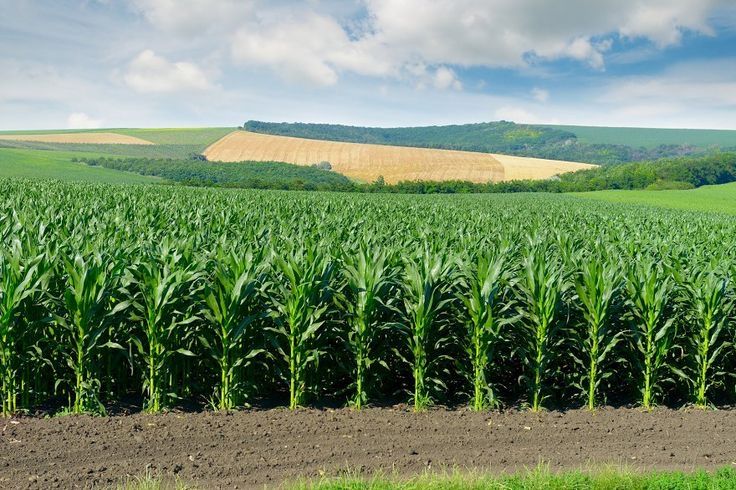
In Uganda and Tanzania, improved banana varieties have helped farmers combat the spread of Banana Xanthomonas Wilt, a disease that once threatened household incomes and national food security. Meanwhile, in Kenya, drought-tolerant maize varieties developed through partnerships between research institutions and national agricultural agencies have helped farmers in semi-arid regions stabilize production even during unpredictable rainfall seasons.
Sponsored
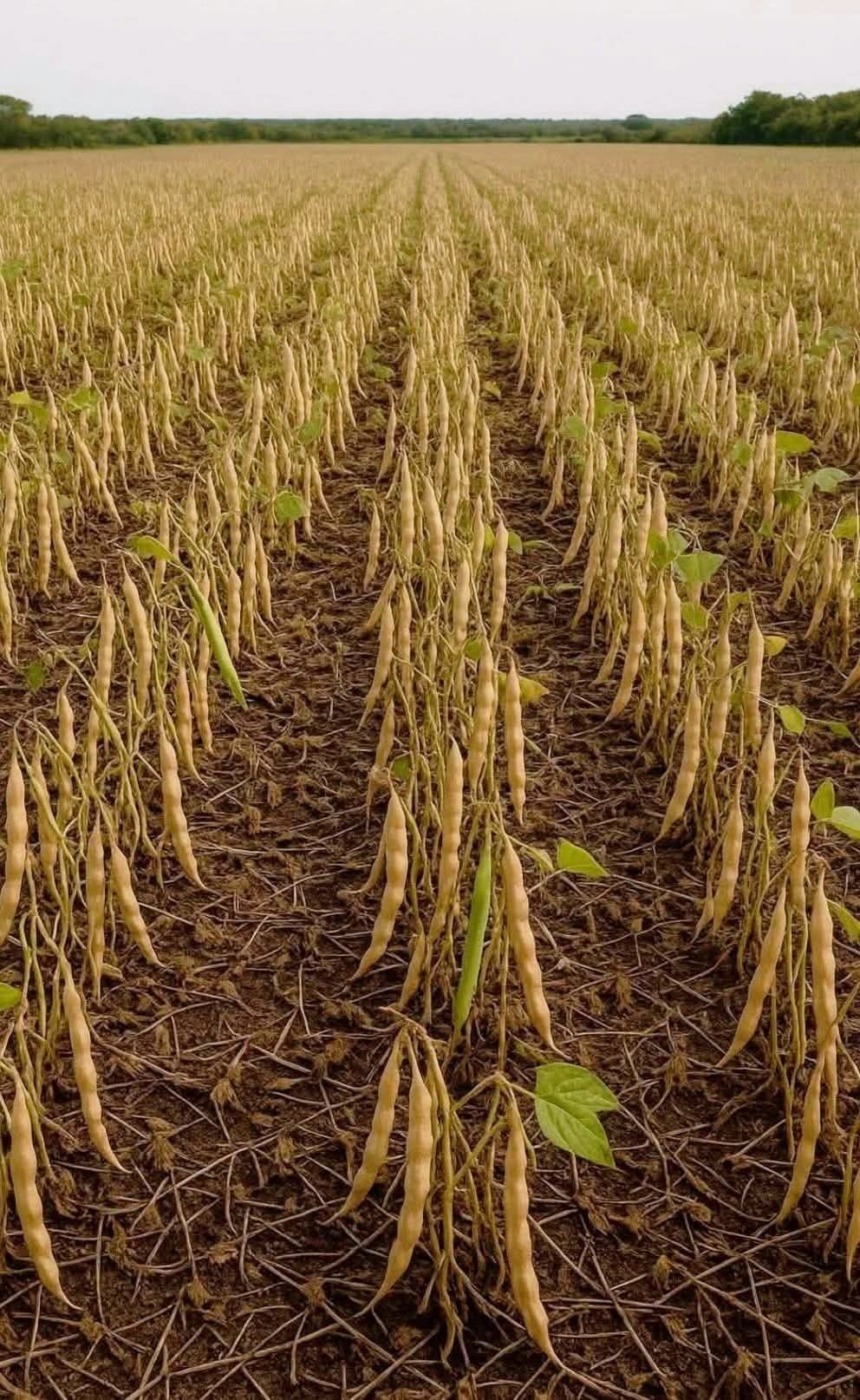
These improved crops are not only about higher yields. They are also about nutrition. Biofortified crops such as vitamin A-rich cassava, iron-rich beans, and zinc-enriched maize are helping address hidden hunger across Africa, particularly among children and women in rural communities. According to the Food and Agriculture Organization (FAO), micronutrient deficiencies remain a major public health issue across sub-Saharan Africa, making biofortification a critical intervention.
However, crop improvement is not only happening in laboratories. It is deeply connected to seed systems and farmer adoption. In countries like Rwanda and Ethiopia, government-led agricultural transformation programs have improved access to certified seeds, allowing farmers to quickly adopt high-yielding and climate-resilient varieties. Without strong seed distribution systems, even the best scientific innovations remain unused.
Despite progress, challenges remain. Many farmers still rely on saved seeds from previous harvests, which can reduce productivity over time. Access to improved seed varieties is also limited in remote areas due to weak distribution networks and high costs. Climate change adds further pressure, as shifting weather patterns require continuous development of new resilient varieties.
Experts from CGIAR emphasize that the future of African agriculture depends on combining genetic improvement with strong extension services. Farmers must not only receive improved seeds but also understand how to manage them effectively under changing environmental conditions.
What is clear, however, is that improved crop varieties are no longer optional—they are essential. From Nigeria to Kenya, from Uganda to Malawi, they are forming the backbone of Africa’s strategy to achieve food security in a rapidly changing climate.