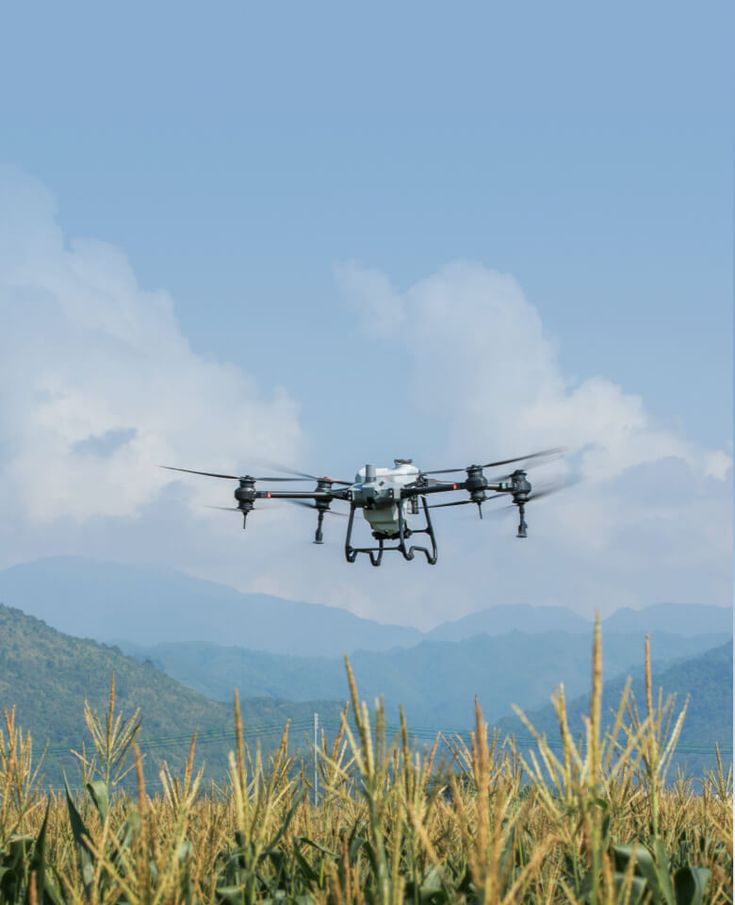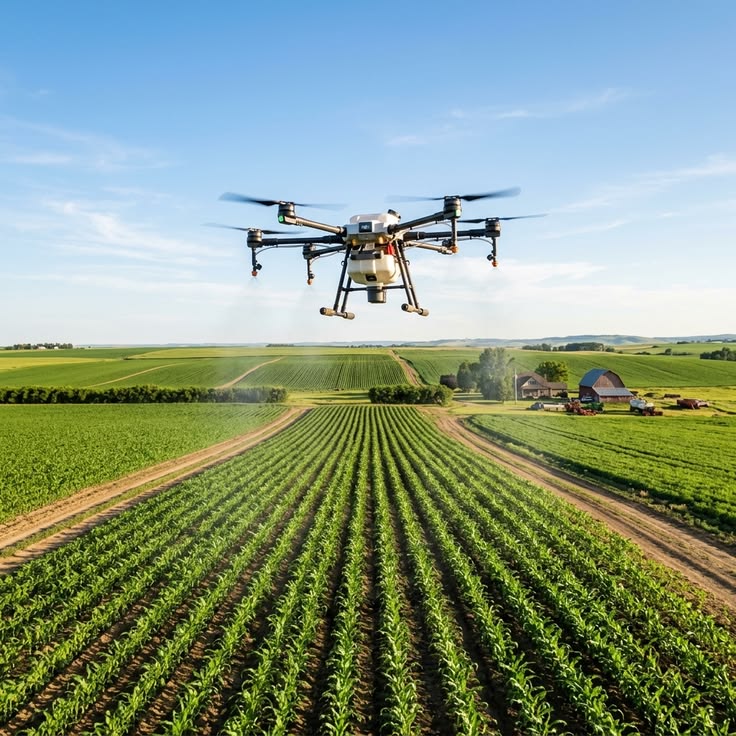
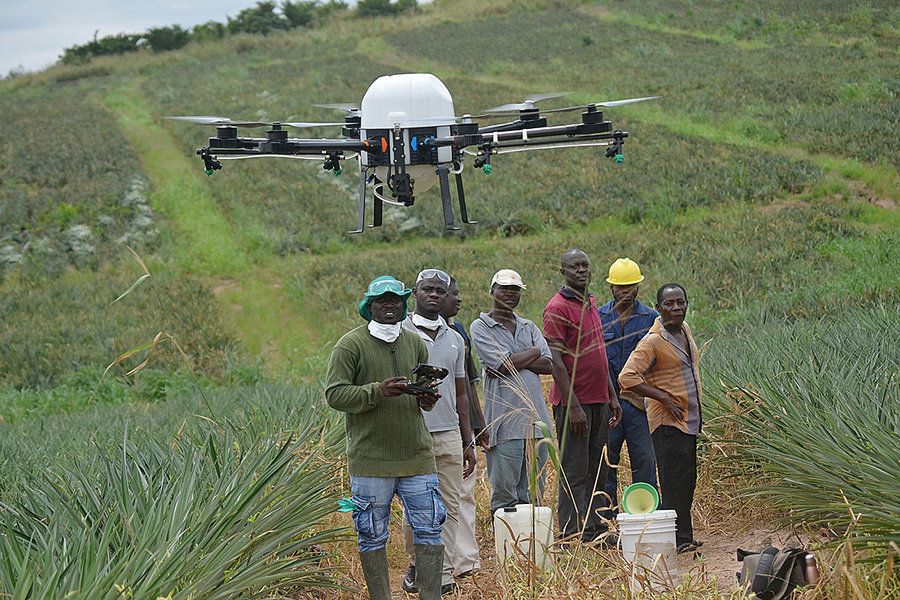
KaraAgro AI, founded in Ghana, was built around a specific problem its founders identified: African farmers are surrounded by data — soil conditions, rainfall, sun exposure, yield history — but historically disconnected from any usable insight drawn from it. The startup's technology, now used by farmers across Ghana, Nigeria, and other African markets, began as a mobile app letting farmers photograph their crops for instant disease detection and has since expanded into full drone-based field scouting and predictive farm intelligence.
South Africa's Aerobotics Goes Global
Cape Town-based Aerobotics has taken a similar model even further afield. The company uses AI software, drones, and mobile phones to help fruit and nut farmers combat climate-related crop stress, and now operates in more than 18 countries. While the United States has become its largest single market, followed by South Africa, Australia, Spain, and Portugal, Aerobotics' roots in South African agriculture remain central to its technology, with customers collectively producing tens of millions of tonnes of fresh produce annually.
Tunisia's Quiet Standout
North Africa's agritech scene has its own emerging leader in RoboCare, a Tunisian startup combining satellite imagery, IoT sensors, and drone data with AI models trained specifically on regional crops — olives, cereals, and industrial tomatoes — to predict disease and water stress before they become visible to the naked eye. RoboCare closed a six-figure seed round from 216 Capital in early July, funding for expansion into secondary markets across both Africa and the Middle East, according to Startup Map Africa's tracking of the continent's agritech deal flow.
Sponsored
Where the Money Is Actually Going
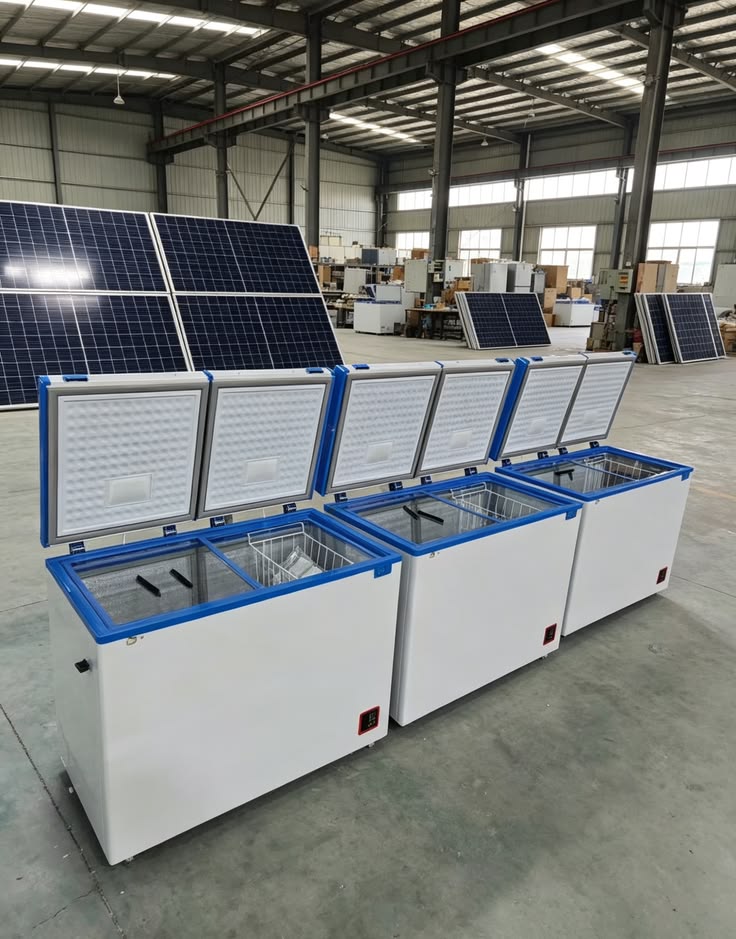
The broader funding data tells its own story about where African agritech is maturing. As of August 2026, Africa has 973 active agritech companies, with 245 having secured outside funding and a combined $517 million raised to date, according to startup tracking platform Tracxn. Apollo Agriculture currently holds the distinction of the continent's highest-funded agritech company, having raised $70.3 million.
Analysts presenting at the FINAS 2026 conference in Nairobi pointed to a notable shift in where agritech capital is flowing: roughly half of Africa's top recent agritech deals now involve processing or cold-chain logistics rather than farm-gate applications, suggesting investment is moving from simple farmer-facing apps toward the harder infrastructure problems between harvest and market. Ethiopia's Lovegrass, which took $5 million from British International Investment in February to scale processing and export of teff — the country's staple grain — reflects that same shift, betting that African crops can succeed as premium global products rather than remaining undifferentiated commodities.
Governments Are Rewriting Curricula to Keep Up
The pace of adoption has pushed some governments to act directly on training and education. Kenya's government announced a curriculum overhaul at the Kenya School of Agriculture to formally incorporate AI, drones, and big data analytics — a deliberate step toward modernising agricultural education and building technical fluency among the next generation of Kenyan agronomists. In Nigeria, the National Information Technology Development Agency is working to incorporate AI and drone technology, alongside other Fourth Industrial Revolution tools, specifically to strengthen national food security planning.
Research from the GSM Association has found that agriculture and food security represent the most common application area for AI tools in Kenya, Nigeria, and South Africa — three of the continent's largest and most closely watched tech markets — reinforcing that farming, rather than fintech or healthtech alone, has become one of African AI's most active proving grounds. As capital increasingly follows infrastructure rather than novelty, the startups translating field-level data into usable decisions — whether in Accra, Cape Town, or Tunis — are positioned to shape how millions of African farms operate over the coming decade