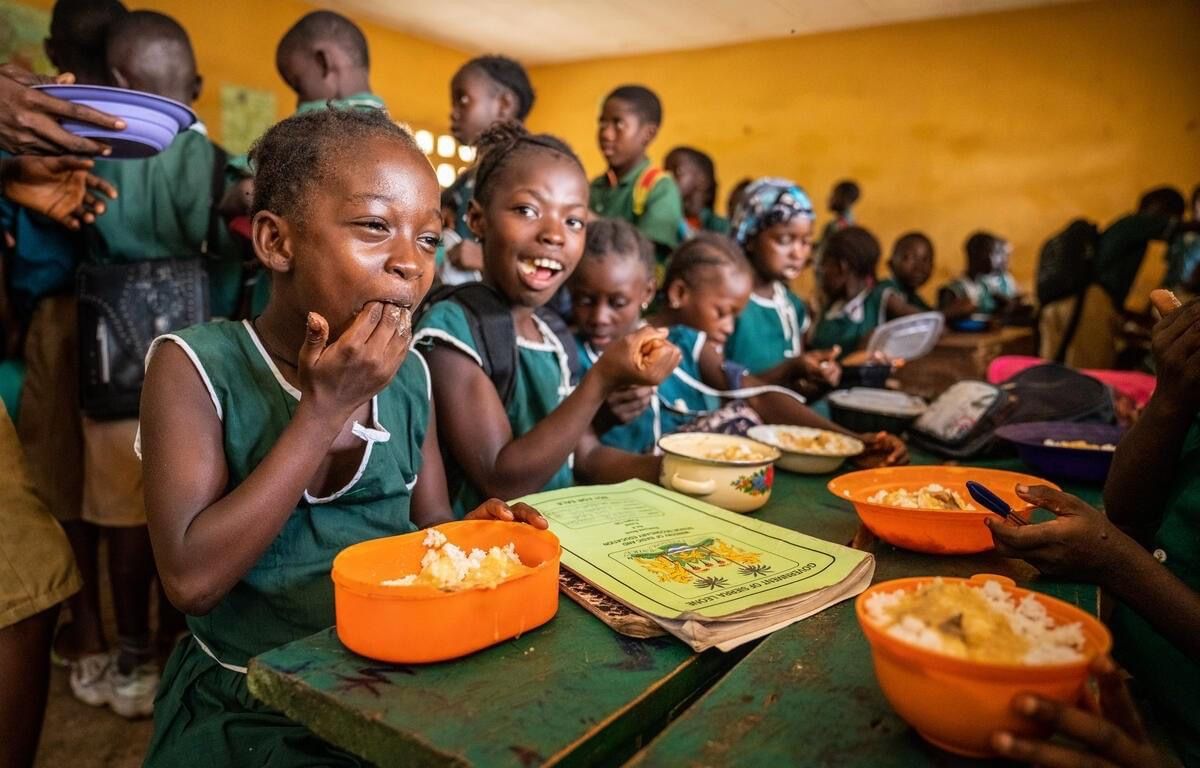
Rwanda's Home-Grown School Feeding Programme is already one of the largest child nutrition investments on the continent, providing meals to close to 4.8 million students nationwide. But the programme's own coordinators are now openly acknowledging that scale alone hasn't solved the underlying nutrition problem it was built to address.
The Gap Between Access and Adequacy
School meals currently provide an estimated 35 to 40 percent of participating students' daily nutritional requirements. Yet according to Sam Ngabire, National Coordinator of the Home-Grown School Feeding Project for Rwanda's Ministry of Education, roughly one-third of children in Rwanda continue to be affected by malnutrition despite the programme's broad reach. That gap is shifting the programme's focus away from simply expanding how many children get fed, and toward incorporating more diverse, micronutrient-rich foods and formalizing stronger connections between schools and local farmers.
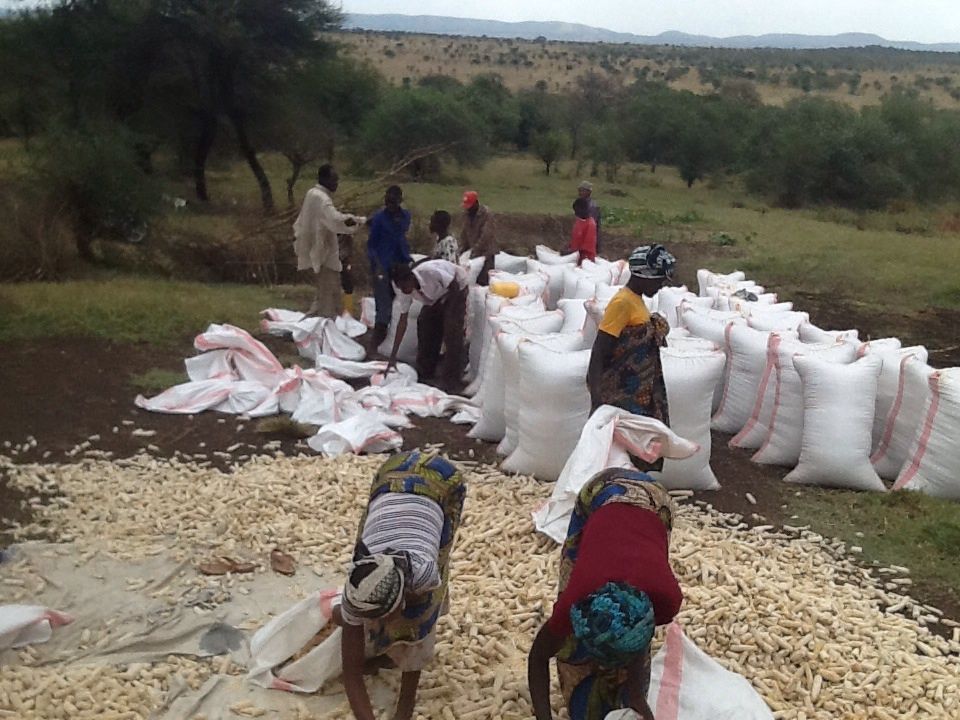
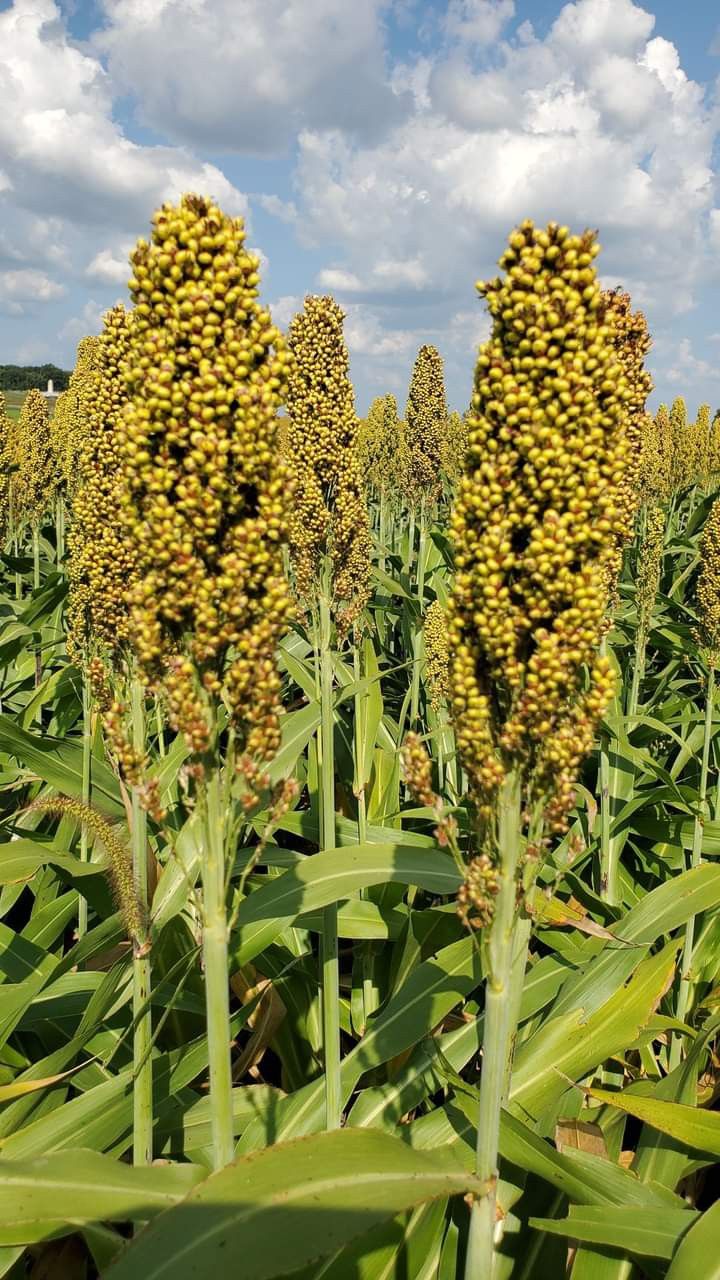
The meals themselves are built around a fortified wholegrain maize base — high in fibre, protein, iron, and vitamins — typically served alongside vegetables and beans, with hot porridge made from fortified ingredients provided in some remote rural districts. Under national guidelines, each meal is designed to provide at least 35 percent of daily macronutrient requirements and up to 70 percent of key micronutrient requirements for the relevant age group, though officials say hitting those micronutrient targets consistently across nearly five million children remains the harder half of the challenge.
School Gardens Doing Double Duty
Sponsored
One organization working to close that nutritional gap is Gardens for Health International, which supports school feeding activities across 180 schools by integrating school gardens directly into the feeding model. According to Executive Director Esther Mukundane, these gardens now contribute an estimated 60 to 80 percent of the vegetables used in school meals at supported sites — a significant shift toward fresh, diverse produce rather than relying solely on staple grains and legumes.
The organization operates two centralized kitchens that distribute 17 different ingredients — including vegetables, beans, and fortified maize — to serve roughly 30,000 children daily, alongside 130,000 hospital patients annually through a related program. Through advance purchasing agreements with the farmers supplying these ingredients, participating growers have seen income increases averaging 61 percent, illustrating how school feeding programmes can function as both a nutrition intervention and a rural income driver simultaneously.
Why Local Sourcing Matters Twice Over
The model driving much of Rwanda's programme design links school nutrition directly to smallholder farmer income: schools buy food directly from local farmers and traders rather than sourcing centrally, which both shortens supply chains for fresher produce and channels a reliable, recurring source of demand back into local agricultural economies. Earlier phases of the programme found this approach particularly effective in districts with food insecurity rates well above the national average, where the additional income to local farmer organizations from stable school-meal contracts helped stabilize household food access even beyond what the school meals themselves provided directly to children.
For Rwandan smallholder farmers, particularly those growing vegetables, beans, and maize, formal supply arrangements with school feeding programmes represent a meaningful and increasingly formalized market — one that both Gardens for Health International's advance purchasing model and the national programme's broader local-sourcing policy are actively working to expand. For nutrition and education planners elsewhere on the continent, Rwanda's experience this year offers a candid lesson: reaching near-universal coverage with school meals is a major achievement, but it doesn't automatically solve malnutrition unless meal composition keeps pace with actual micronutrient needs — a distinction Rwanda's own programme coordinators are now working hard to close