For decades, agriculture has been described as the backbone of Africa's economy. It feeds millions of families, employs a significant share of the continent's workforce, and contributes substantially to national economies. Yet despite its importance, agriculture has struggled to attract one group whose energy and innovation could redefine its future—young people.
Across Africa, unemployment among young people remains one of the continent's greatest socio-economic challenges. Every year, millions of graduates and school leavers enter the labour market only to find that formal employment opportunities are limited. In many rural communities, young people migrate to cities hoping for better prospects, leaving behind ageing farming populations and communities that depend heavily on agriculture for survival.
This growing disconnect has raised an important question: who will produce Africa's food in the decades ahead?
The answer may lie in changing the way young people perceive agriculture—not as a last resort for those without options, but as a modern, technology-driven business capable of generating wealth, creating employment and driving economic transformation.
That vision is increasingly becoming a reality through the ENABLE Youth programme, an initiative supported by the International Institute of Tropical Agriculture (IITA) and development partners. Rather than encouraging young Africans to become conventional farmers, the programme equips them to become agripreneurs—business-minded innovators who view agriculture as a profitable enterprise built on knowledge, technology and entrepreneurship.
Reimagining Agriculture for a New Generation
For many years, agriculture has been associated with hard manual labour, unpredictable incomes and limited career growth. Such perceptions have discouraged many educated young Africans from considering farming as a viable profession.
However, agriculture is changing rapidly.
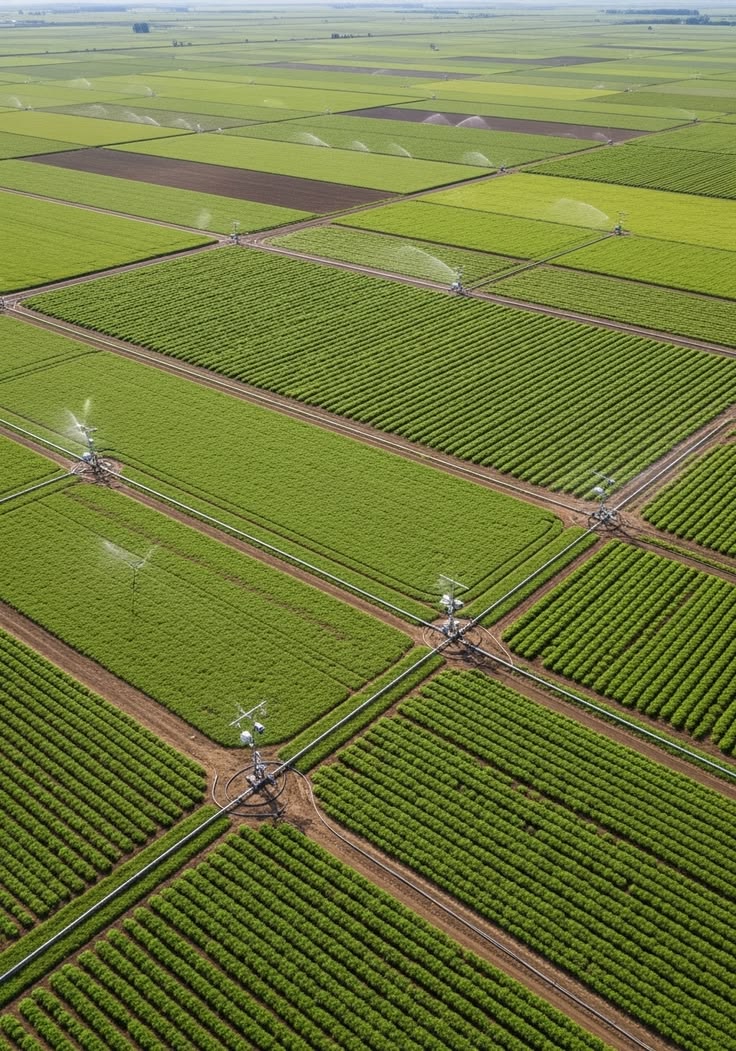
Across the continent, digital technologies, mechanisation, climate-smart farming practices, improved seed varieties, precision agriculture and value addition are transforming how food is produced, processed and marketed. Today's agricultural sector increasingly requires entrepreneurs, engineers, marketers, financial experts, software developers, food processors and logistics specialists alongside traditional producers.
This evolution has opened new opportunities for young people who possess creativity, technical skills and a willingness to innovate.
ENABLE Youth was created to harness this potential by helping young Africans develop businesses that serve every stage of the agricultural value chain—from production and processing to marketing, storage, transport and digital advisory services.
Instead of focusing solely on increasing farm production, the programme encourages participants to identify business opportunities capable of generating sustainable incomes while creating jobs for others in their communities.
Agriculture Is Bigger Than Farming
One of the greatest misconceptions surrounding agriculture is that success begins and ends in the field.
In reality, agriculture is an interconnected industry involving dozens of profitable activities beyond planting crops or raising livestock. Every bag of maize harvested, every cassava root processed and every tomato delivered to market passes through a chain of businesses involving seed suppliers, equipment dealers, transport operators, storage facilities, food processors, retailers and exporters.
This expanding value chain presents enormous opportunities for Africa's growing youth population.
Young entrepreneurs are increasingly establishing greenhouse vegetable enterprises, poultry farms, aquaculture businesses, seed multiplication ventures, irrigation services, mechanisation companies and food processing factories that supply local supermarkets and export markets alike.
Others are developing mobile applications that provide farmers with weather forecasts, pest alerts, market prices and digital financial services.
These businesses demonstrate that modern agriculture is no longer confined to traditional farming methods but has become an innovation-driven industry where technology and entrepreneurship work hand in hand.
Building Skills That Last Beyond the Classroom
One of the defining features of ENABLE Youth is its emphasis on practical learning.
Many university graduates possess theoretical knowledge but have limited experience in developing profitable businesses. The programme bridges this gap by providing participants with intensive training that combines technical agricultural skills with entrepreneurship, financial literacy, leadership and business management.
Participants learn how to prepare business plans, analyse markets, manage risks, attract investment and adopt modern production technologies capable of improving efficiency and profitability.
Sponsored
Equally important, they gain confidence.
For many young entrepreneurs, the greatest challenge is not simply accessing finance but believing they have the knowledge and ability to build successful enterprises. Exposure to experienced mentors, successful agribusiness owners and research institutions helps transform that mindset.
Rather than seeing agriculture as an occupation of necessity, participants begin to view it as an industry full of possibilities.
Innovation Is Reshaping African Farms
Perhaps nowhere is this transformation more visible than in the growing use of technology.
Across several African countries, young entrepreneurs are using drones to monitor crop health, satellite imagery to assess farm conditions and smartphone applications to manage irrigation schedules and predict disease outbreaks.
Artificial intelligence is beginning to support pest identification, while digital marketplaces are connecting farmers directly with consumers and reducing dependence on multiple intermediaries.
Mobile money platforms have simplified agricultural payments, allowing farmers and traders to conduct secure transactions even in remote rural areas.
These innovations are improving productivity while making agriculture more attractive to educated young people who may never have considered farming as a career.
Instead of replacing farmers, technology is empowering them to make smarter decisions, reduce production costs and improve profitability.
From Job Seekers to Job Creators
Perhaps the most significant contribution of programmes like ENABLE Youth is their focus on entrepreneurship rather than employment.
Instead of preparing thousands of young people to compete for a limited number of jobs, the initiative encourages them to establish businesses capable of employing others.
This approach creates a multiplier effect.
A successful greenhouse enterprise employs labourers, purchases seeds from suppliers, hires transport companies, contracts mechanics to maintain irrigation equipment and supplies fresh produce to retailers and restaurants.
Similarly, a cassava processing plant creates opportunities not only for factory workers but also for farmers, transport operators, packaging companies and distributors.
As these enterprises expand, they stimulate local economies and generate employment opportunities that extend well beyond the original business owner.
In many rural communities, this kind of entrepreneurship is becoming a powerful engine of economic development.
The Growing Role of Women in Agribusiness
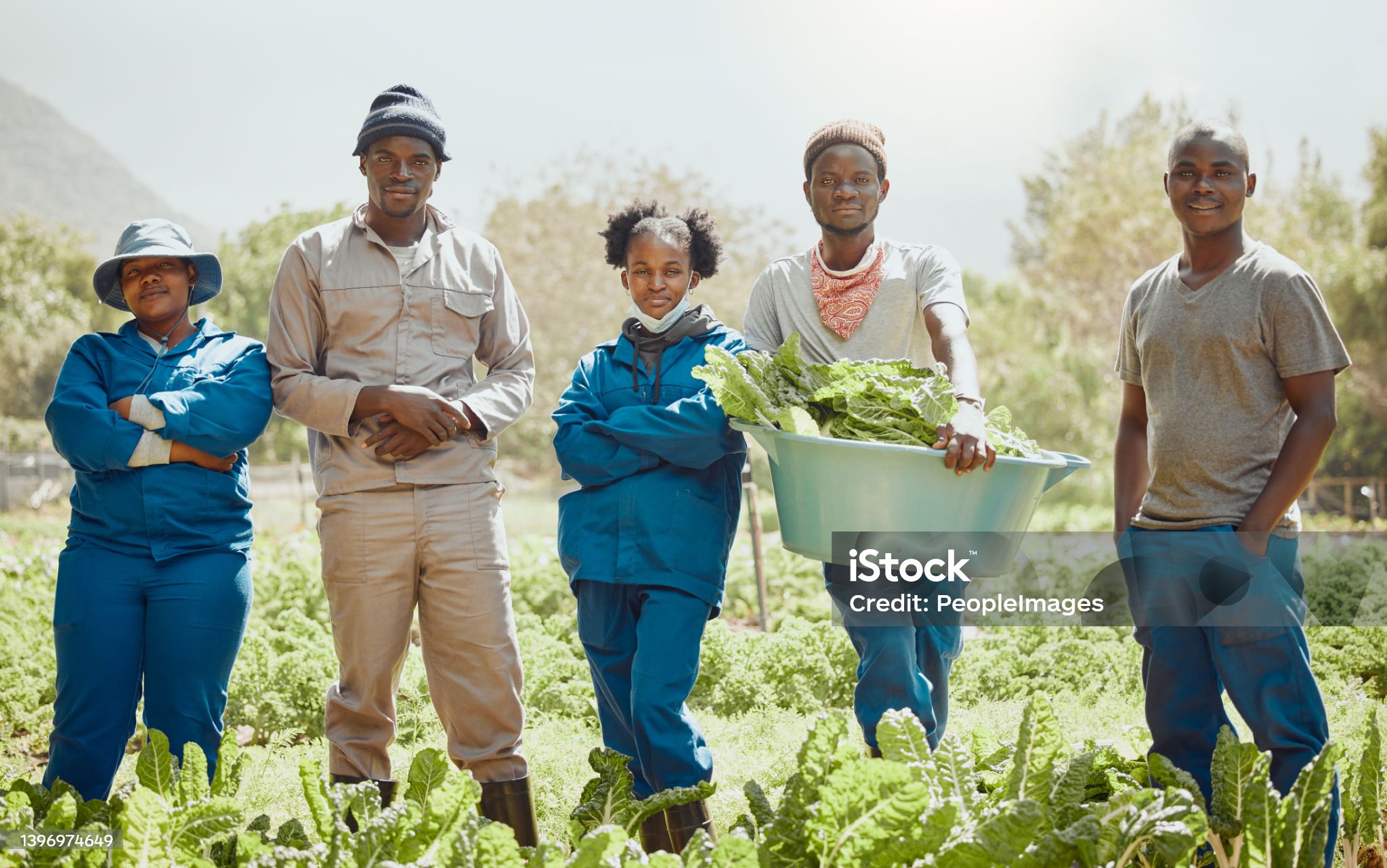
Another encouraging trend emerging across Africa is the increasing participation of women in agribusiness.
Young women are launching successful enterprises in horticulture, poultry production, food processing, seed multiplication and agricultural marketing despite longstanding barriers related to finance, land ownership and access to technology.
Programmes that intentionally promote gender inclusion are helping close these gaps by providing women with training, mentorship and networking opportunities that strengthen their ability to compete within agricultural markets.
When women succeed in agriculture, the benefits often extend beyond individual businesses to entire households and communities through improved nutrition, higher incomes and increased educational opportunities for children.