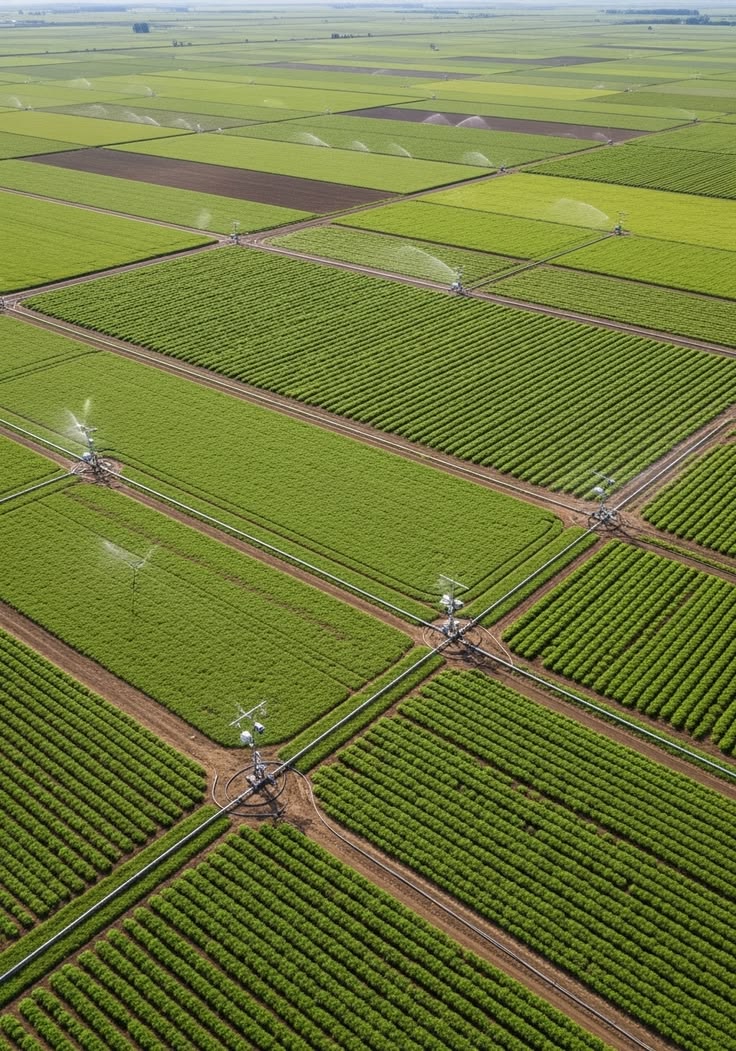

For years, agriculture has attracted a strikingly small share of investment flowing into Africa, a gap widely cited by development economists as one of the sector's most persistent challenges given how central farming is to the continent's economy and food security. Much of that hesitation comes down to risk: unpredictable weather, thin insurance markets, and the difficulty of guaranteeing returns on infrastructure like cold storage or processing plants in markets that lack a long track record.
How Blended Finance Changes The Equation Blended finance addresses this by combining public or philanthropic capital, which can absorb the first layer of risk, with private investment, which follows once that risk has been reduced to a level commercial investors find acceptable. Development banks, guarantee funds and impact-focused vehicles increasingly take this first-loss position specifically in agri-infrastructure such as cold storage and post-harvest handling, industries where the social case for investment is strong but the commercial case alone has historically struggled to attract capital.
Sponsored
Where This Is Playing Out Conferences and finance forums focused specifically on African food systems now regularly bring together development banks, guarantee providers and private investors to work through exactly this kind of structuring, an indication that de-risked capital for agriculture has moved from a niche idea to a standard part of how the sector is financed. Consortiums pairing commercial banks with research institutions and multilateral lenders are already piloting these models around post-harvest loss reduction in East Africa.
Why Investors Should Pay Attention For private investors who have watched African agriculture from a distance because of its risk profile, blended finance structures offer a practical entry point: a way to participate in the sector's growth with a portion of the downside already absorbed by a development partner. As more of these structures come to market, the argument for staying on the sidelines becomes progressively harder to justify.